KINEXON Volleyball Analytics: A Revolution in Sports Data
In the age of digitization, volleyball is experiencing a shift. While instinct and intuition still play a vital role in team management and strategy, there’s an ever-increasing emphasis on analytics. So, let’s find out what kind of data can you pull and what type of information can coaches glean from it.
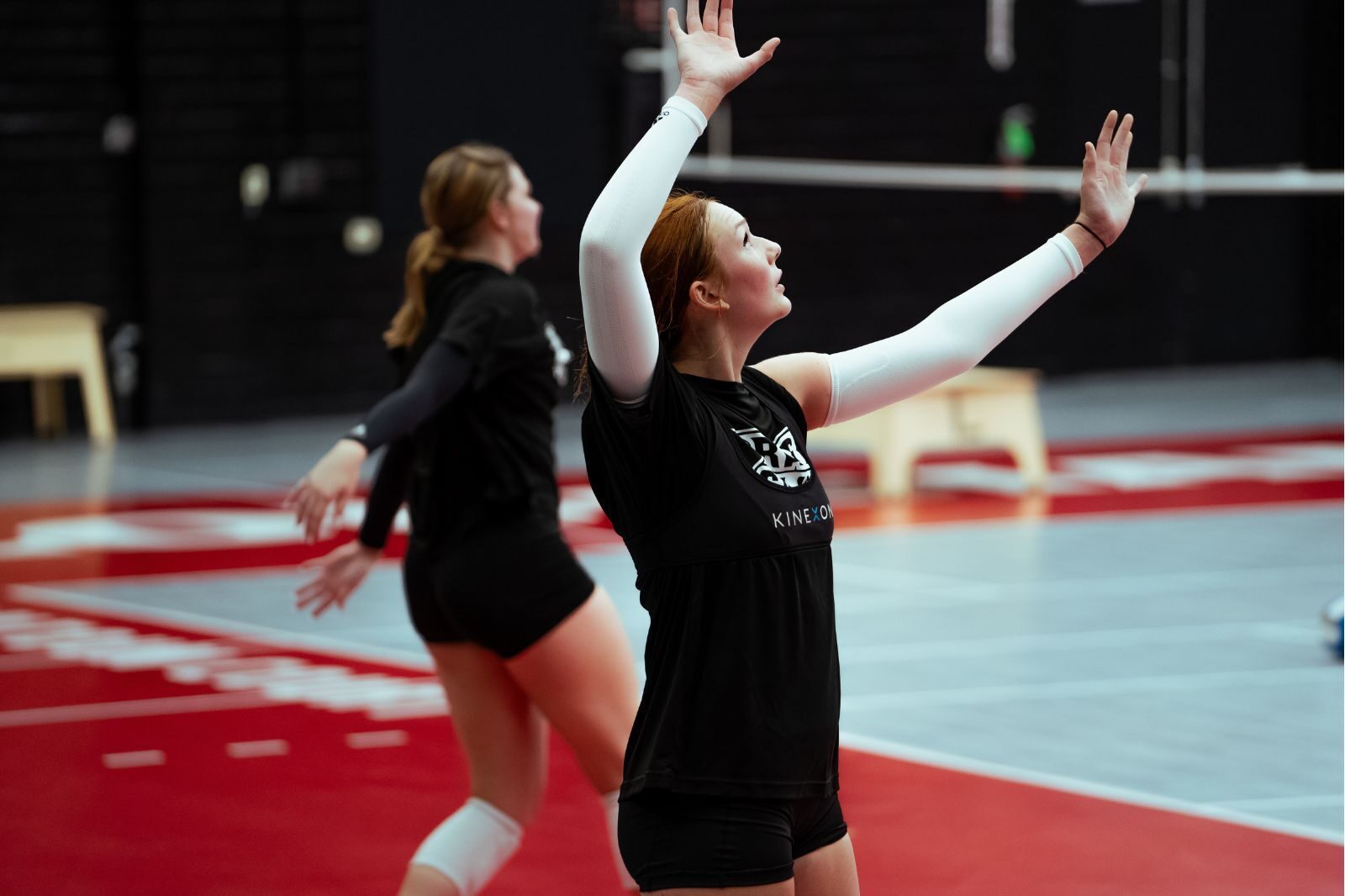
KINEXON is a leading sports analytics company specializing in real-time, player tracking solutions. While it has applications in numerous industries, from healthcare to logistics, KINEXON is a major player in the sports sector.
For volleyball (and handball), KINEXON offers two comprehensive analytics systems that provide insights into player movements, game strategies, and fan engagement. They are KINEXON PERFORM IMU and KINEXON PERFORM LPS. They each serve their own purpose when used separately, but they can also work together to provide even more data.
It Starts With Player Tracking Sensors
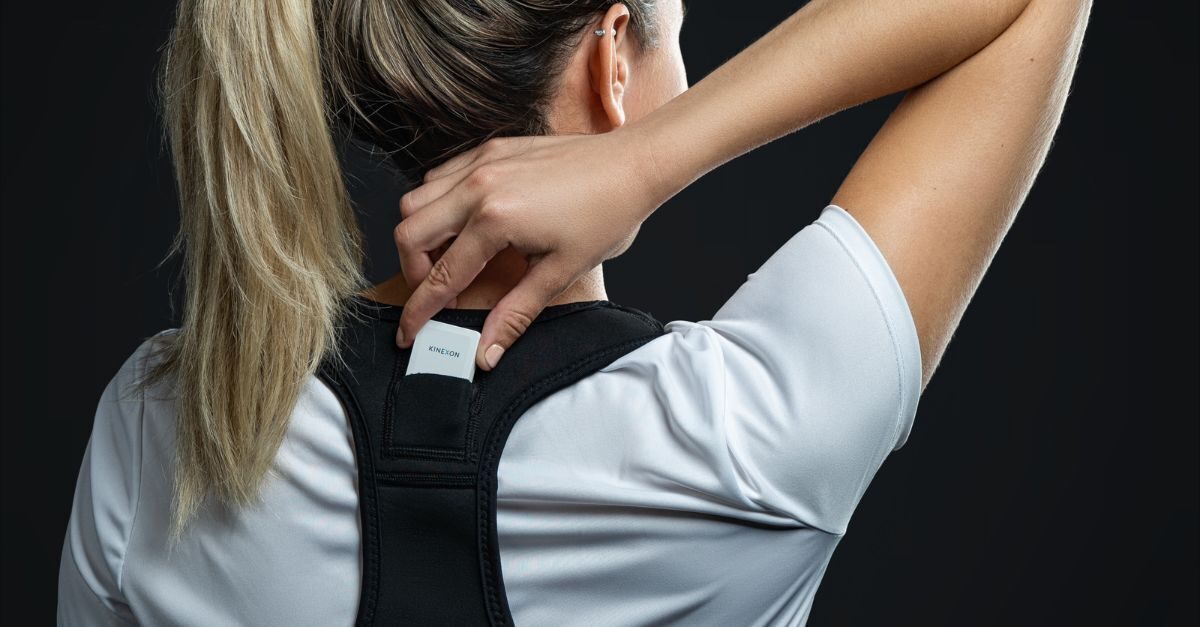
The core of KINEXON’s sports analytics lies in its high-precision sensors, also known as player trackers, or tags. These light-weight sensors are attached to players in a waist band, sports bra, or vest. They can track movements to the centimeter, enabling a level of accuracy that is tough to match in the sports analytics industry.
Data can be accessed in real-time. This provides coaches, analysts, and players with actionable insights during training sessions and live matches. The rapid feedback loop ensures that strategies can be tweaked almost instantly, leading to a more adaptive and responsive team.
It’s always a sender (sensor) and receiver (anchor) working together when data is needed live. With IMU it also works post-game or training session. In this case, no anchor is needed, the data is uploaded from the sensor to a laptop or other device.
KINEXON is working hard to create metrics for women’s sports only, including volleyball. Download our brochure to learn more.
Important Volleyball Analytics and Insights

KINEXON’s analytics platforms provide many metrics for volleyball, some of the most impactful being:
- Player Load: This metric calculates the stress and strain placed on a player during matches and training. By understanding player load, coaches can optimize training regimes, reduce injury risk, and ensure players are at peak performance during crucial matches.
- Jump Analytics: For a sport where vertical jumps play a decisive role, understanding the height, speed, and frequency of jumps can provide teams with a competitive edge. This metric can be critical in refining a player’s technique or in strategizing player rotations during matches.
- Injury Prevention: By monitoring player movements and loads continuously, teams can identify potential injury risks before they manifest into significant issues. This proactive approach to player health can extend players’ careers and ensure that teams always field their best lineup.
- Talent Development: Volley analytics can also be used to pinpoint areas of improvement, enabling focused training. With objective data at hand, players can track their growth and development over time, leading to increased motivation and targeted skill development.
- Fan Engagement: In the age of information, fans crave deeper insights into their favorite sports. KINEXON’s rich datasets can be leveraged to provide fans with in-depth match analyses, enhancing their viewing experience and fostering a deeper connection with the sport.
KINEXON Helps Coaches Track Analytics
The integration of KINEXON analytics in volleyball is a testament to the potential of technology in transforming sports. By providing teams with precise, actionable insights, KINEXON is not just improving the way teams train and play but is reshaping the very fabric of the game.
As mentioned earlier, KINEXON PERFORM IMU is often used in handball, but offers the same benefits to volleyball players and coaches— real-time insights.
Typically, collecting, segmenting, and analyzing such data would be a time-intensive process, potentially limiting a coach’s personal and family time. But PERFORM IMU streamlines data analysis by consolidating information into clear and comprehensive reports. Delivered to the coaching staff shortly after a session concludes, these reports optimize time management, enabling coaches to dedicate more focus to their primary task: coaching.
KINEXON PERFORM LPS can also be used to collect valuable information on players in volleyball (or handball). It is our gold-standard for live performance metrics. But it is most powerful when paired with PERFORM IMU.
If you’d like to learn more about KINEXON Perform IMU or LPS, contact us at any time. Or you can download the brochure below.
More stories

How Basketball Performance Data Connects the Court and Weight Room
What happens on the court shapes what athletes need in the weight room. Purdue’s Jason Kabo shares how he cross-references KINEXON performance data with sprint testing and other measures to adjust training, manage individual workloads, and guide daily decisions.

From Jump Count to a More Complete View of Volleyball Load
Jump count is one of the most familiar metrics in volleyball, but it only captures part of an athlete’s physical performance. Looking at movement intensity, like acceleration or changes of direction, and position-specific demands can provide the context needed for a more complete view of the overall load.

Limited Camps, High Demands: Preparing for International Handball Tournaments
The Women’s EHF EURO and Men’s World Championship present a similar challenge for performance staff: preparing players for an intense tournament with limited time together. How can national teams use the camps leading into competition to better understand and manage individual load?

How Drill Intensity Shapes Weekly Basketball Load Targets
Basketball coaches need more than a list of practice drills. Historical performance data and drill intensity help coaches refine practice plans, manage individual workloads and adjust the next session based on what athletes actually completed.

Sustainability: Can the Athlete Maintain Intensity Throughout the Duration of the Game?
Matching game workloads are only part of athlete preparation. Can players sustain high-intensity efforts when fatigue builds? Read more from Dayannara Munoz, KINEXON Sports Customer Success Manager, about how performance data helps coaches assess changes in output, compare practice with competition, and prepare athletes to meet the demands of the entire game.

How Individualized Football Performance Data Improves Load Management
Football performance data helps coaches move beyond team averages to individualize load management. By combining GPS metrics with each athlete’s role, historical data, and readiness, coaches can identify the right exposure, reduce excessive stress, guide recovery, and better prepare every player for game day.

Beyond the National Team Window: How the DHB Connects Performance Data
National teams spend only a fraction of the season with their athletes. See how the German Handball Federation connects club and national-team data to maintain performance context across the season and support individual decisions when players move between environments.

One Athlete, Two Jerseys: Connecting Athlete Monitoring Between Club and Country
When athletes move between club and country, their performance history moves with them. The 2026 FIBA Women’s Basketball World Cup highlights why monitoring continuity matters when athletes arrive with different workloads, competition exposure and preparation behind them.

The Role of Connected Ball Technology in Modern Officiating
From ghost goals to offsides, officiating technology has steadily raised fairness in football. But the one element at the center of every decision, the ball, has until now been silent. Connected Ball Technology (CBT) changes that, giving football’s most iconic object its own voice.

COMPETE Vision on a New Level: Refined for Faster Insights
The latest COMPETE Vision update streamlines the entire performance analysis workflow, from camera setup to automated reporting. Faster uploads, improved player identification, automated court calibration, and smarter player assignment help coaches spend less time managing technology and more time turning objective data into coaching decisions.

How KINEXON Game Insights Gives Basketball Coaches the Tactical Advantage
Basketball coaches already use in-game tracking data to evaluate their athlete’s physical exposure. As more teams adopt performance tracking methodologies, that same underlying data source can extend beyond physical optimization and be utilized to compare rosters, assess opponents, and understand the demands behind each matchup.

From Data to Decisions: Six Key Takeaways from Elite Handball Performance Practitioners
Elite handball is one of the most physically demanding team sports in the world. Within sixty minutes, players sprint, decelerate, jump, throw, change direction, absorb contact, and repeat those actions under fatigue, all while making split-second tactical decisions.

From Potential to Performance: How AI, Ball & Player Tracking Are Transforming Talent Identification in Youth Football
How can AI, player and ball tracking, and expert scouting work together to identify football talent? Discover how Skillers Academy, SAP, and KINEXON Sports combine connected technologies and human expertise to create a more objective and accessible approach to youth talent identification.

How Xavier Women’s Basketball Optimizes Daily Load Targets for Low- and High-Minute Players
Optimizing daily workloads goes beyond keeping players fresh. For Xavier’s Gil Weinstein, Head Strength and Conditioning Coach, daily (and weekly) performance reports helped connect practice loads to game demands, guide workload adjustments, and support 99% player availability throughout the 2025 – 26 season.

Inside Columbia Women’s Basketball’s Approach to In-Season Load Management
Managing in-season workloads takes more than tracking minutes. Performance data helps basketball coaches individualize weekly targets, adjust practice plans, and keep high-minute players, role players, and scout team athletes prepared to perform.