How Football Analytics Put a Walk-On on a Path to the NFL
Author: Dave Grendzynski
The insights we’re getting from our guests on The Xtra Edge podcast are even better than we imagined. Take University of Louisiana Coach Connor Neighbors, for instance. When he was asked, “How did you discover sports analytics?” The answer even shocked us.

Coach Neighbors, who is now the Director of Athletic Performance for the Ragin’ Cajuns Football team, said he went to LSU as a PWO—preferred walk on. He was considered to be an undersized linebacker, and even he acknowledged that he wasn’t the biggest or fastest player.
The only guarantee he got was a chance to compete, with no scholarship or promises.
Coaches can now save 20 – 30 minutes each practice session by using the only GPS football tracker that has a fully automated workload. No manual steps needed. No wires. No cables.
The Day Sports Data Changed Everything

The football team at LSU was collecting data and football analytics at the time (2010), but Connor never wore a player tracking sensor because he was a walk-on. But one day everything changed. Somebody was sick, and he got the chance to wear a sensor at practice.
After that practice, Coach Tommy Moffitt, who’s now the Head Strength and Conditioning Coach at Texas A & M, went to then Head Coach Les Miles and the rest of the coaching staff and told them what the data was telling him.
He said that Neighbors had one of the highest acceleration and deceleration rates on the team. But Moffitt wasn’t lobbying for Neighbors to play linebacker, he said that he’d be a great candidate for their open fullback position.

“As a preferred walk on, it’s the data that actually helped me get on the field.”
It wasn’t long after that the preferred walk-on linebacker asked Coach Miles if he could switch to fullback, and he did. He became a full-time player on offense, playing in 43 games, starting 17, and developed a reputation as being a punishing blocker. He said, “As a preferred walk on, it’s the data that actually helped me get on the field.”
From PWO to D1 Starter to the NFL
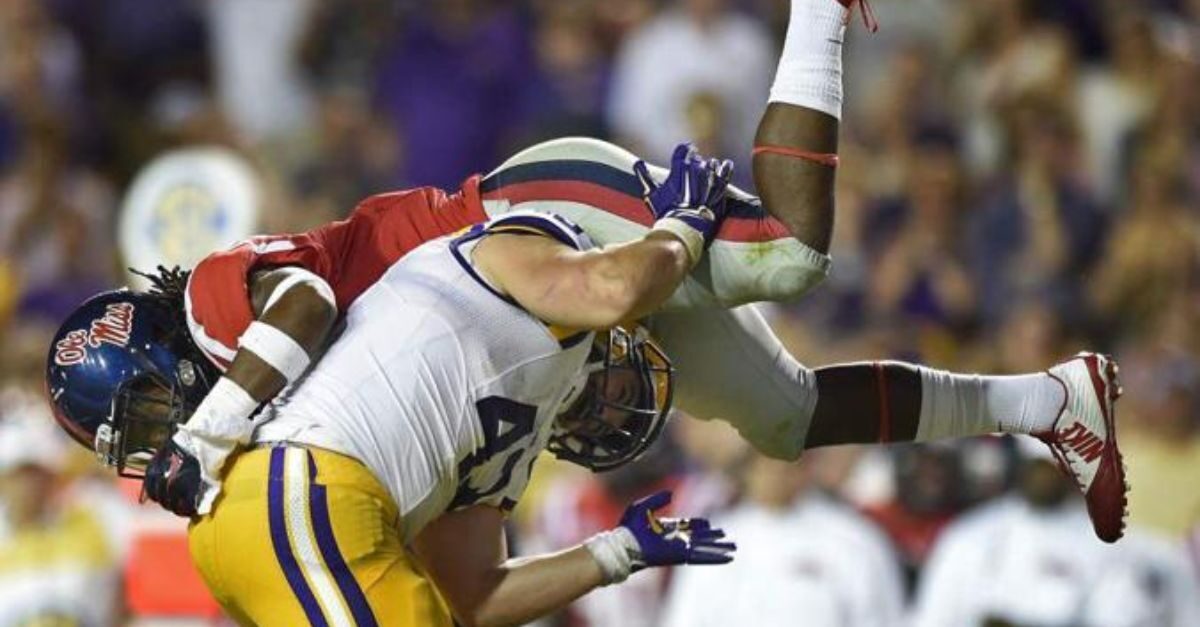
He also credits the metrics (and the insights they provided) with helping him get the opportunity to play as a true freshman in a game against North Carolina in the Georgia Dome.
His college football career resulted in an invitation to play in the Senior Bowl, and the chance to sign as an undrafted free agent with the Tennessee Titans.
An injury cut his professional career short, but he’s taking what he learned and applying it to coaching.
If you think that story’s crazy, tune into “The Xtra Edge” podcast to also find out how he got the nickname “Bonesaw”, and how he’s using football analytics in his current role.
Check out our guide that will help you get started tracking football data.
More stories

How Basketball Performance Data Connects the Court and Weight Room
What happens on the court shapes what athletes need in the weight room. Purdue’s Jason Kabo shares how he cross-references KINEXON performance data with sprint testing and other measures to adjust training, manage individual workloads, and guide daily decisions.

From Jump Count to a More Complete View of Volleyball Load
Jump count is one of the most familiar metrics in volleyball, but it only captures part of an athlete’s physical performance. Looking at movement intensity, like acceleration or changes of direction, and position-specific demands can provide the context needed for a more complete view of the overall load.

Limited Camps, High Demands: Preparing for International Handball Tournaments
The Women’s EHF EURO and Men’s World Championship present a similar challenge for performance staff: preparing players for an intense tournament with limited time together. How can national teams use the camps leading into competition to better understand and manage individual load?

How Drill Intensity Shapes Weekly Basketball Load Targets
Basketball coaches need more than a list of practice drills. Historical performance data and drill intensity help coaches refine practice plans, manage individual workloads and adjust the next session based on what athletes actually completed.

Sustainability: Can the Athlete Maintain Intensity Throughout the Duration of the Game?
Matching game workloads are only part of athlete preparation. Can players sustain high-intensity efforts when fatigue builds? Read more from Dayannara Munoz, KINEXON Sports Customer Success Manager, about how performance data helps coaches assess changes in output, compare practice with competition, and prepare athletes to meet the demands of the entire game.

How Individualized Football Performance Data Improves Load Management
Football performance data helps coaches move beyond team averages to individualize load management. By combining GPS metrics with each athlete’s role, historical data, and readiness, coaches can identify the right exposure, reduce excessive stress, guide recovery, and better prepare every player for game day.

Beyond the National Team Window: How the DHB Connects Performance Data
National teams spend only a fraction of the season with their athletes. See how the German Handball Federation connects club and national-team data to maintain performance context across the season and support individual decisions when players move between environments.

One Athlete, Two Jerseys: Connecting Athlete Monitoring Between Club and Country
When athletes move between club and country, their performance history moves with them. The 2026 FIBA Women’s Basketball World Cup highlights why monitoring continuity matters when athletes arrive with different workloads, competition exposure and preparation behind them.

The Role of Connected Ball Technology in Modern Officiating
From ghost goals to offsides, officiating technology has steadily raised fairness in football. But the one element at the center of every decision, the ball, has until now been silent. Connected Ball Technology (CBT) changes that, giving football’s most iconic object its own voice.

COMPETE Vision on a New Level: Refined for Faster Insights
The latest COMPETE Vision update streamlines the entire performance analysis workflow, from camera setup to automated reporting. Faster uploads, improved player identification, automated court calibration, and smarter player assignment help coaches spend less time managing technology and more time turning objective data into coaching decisions.

How KINEXON Game Insights Gives Basketball Coaches the Tactical Advantage
Basketball coaches already use in-game tracking data to evaluate their athlete’s physical exposure. As more teams adopt performance tracking methodologies, that same underlying data source can extend beyond physical optimization and be utilized to compare rosters, assess opponents, and understand the demands behind each matchup.

From Data to Decisions: Six Key Takeaways from Elite Handball Performance Practitioners
Elite handball is one of the most physically demanding team sports in the world. Within sixty minutes, players sprint, decelerate, jump, throw, change direction, absorb contact, and repeat those actions under fatigue, all while making split-second tactical decisions.

From Potential to Performance: How AI, Ball & Player Tracking Are Transforming Talent Identification in Youth Football
How can AI, player and ball tracking, and expert scouting work together to identify football talent? Discover how Skillers Academy, SAP, and KINEXON Sports combine connected technologies and human expertise to create a more objective and accessible approach to youth talent identification.

How Xavier Women’s Basketball Optimizes Daily Load Targets for Low- and High-Minute Players
Optimizing daily workloads goes beyond keeping players fresh. For Xavier’s Gil Weinstein, Head Strength and Conditioning Coach, daily (and weekly) performance reports helped connect practice loads to game demands, guide workload adjustments, and support 99% player availability throughout the 2025 – 26 season.

Inside Columbia Women’s Basketball’s Approach to In-Season Load Management
Managing in-season workloads takes more than tracking minutes. Performance data helps basketball coaches individualize weekly targets, adjust practice plans, and keep high-minute players, role players, and scout team athletes prepared to perform.