The Advantages Sports Performance Analysis Software Provide Coaches and Athletic Trainers
The ability to dissect every moment of a game or training session is no longer a luxury but a necessity. Sports performance analysis software has emerged as a vital tool for coaches and athletic trainers to refine strategies and optimize athlete performance. Here’s why.

Sports Performance Analysis Software 101
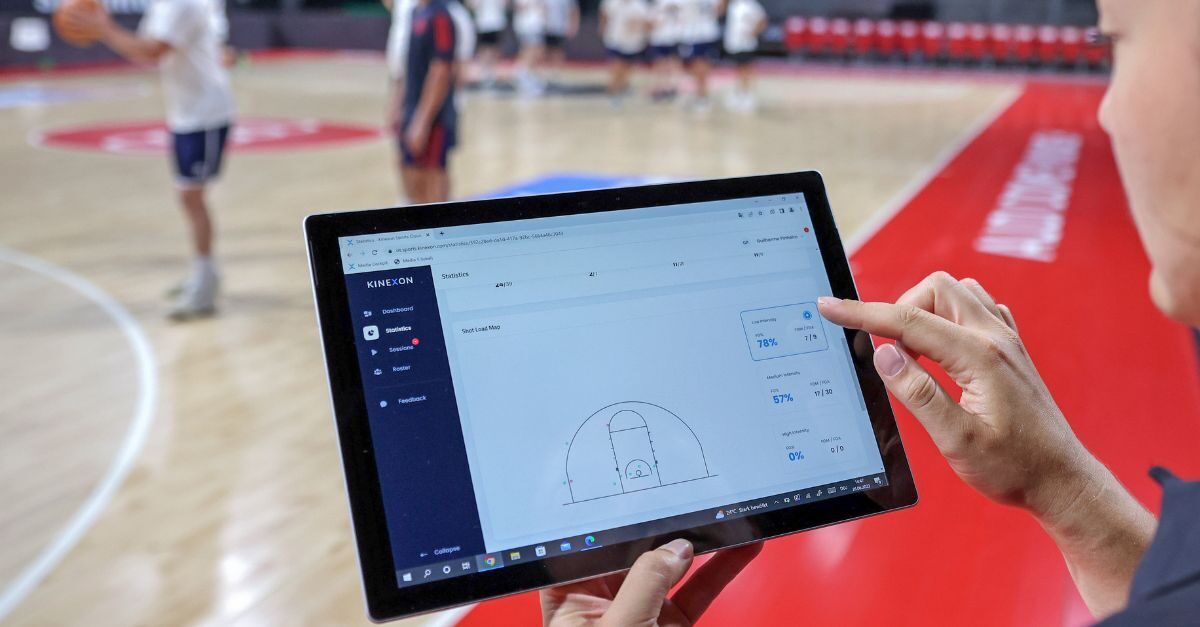
At its core, sports performance analysis software captures, evaluates, and provides insights into an athlete’s or team’s performance. This software analyzes various aspects of a game or practice session using things like wearable player tracking devices or video footage.
It offers a comprehensive view of player movements, team formations, and strategic decisions. Whether it’s identifying an individual’s strengths and weaknesses, or decreasing the risk of injury, this software aids coaches, trainers, and athletes in refining strategies and optimizing performance outcomes.
In essence, it bridges the gap between raw data and actionable insights, making it an indispensable tool in modern sports training and management.
What Advantage Does Sports Tech Provide?
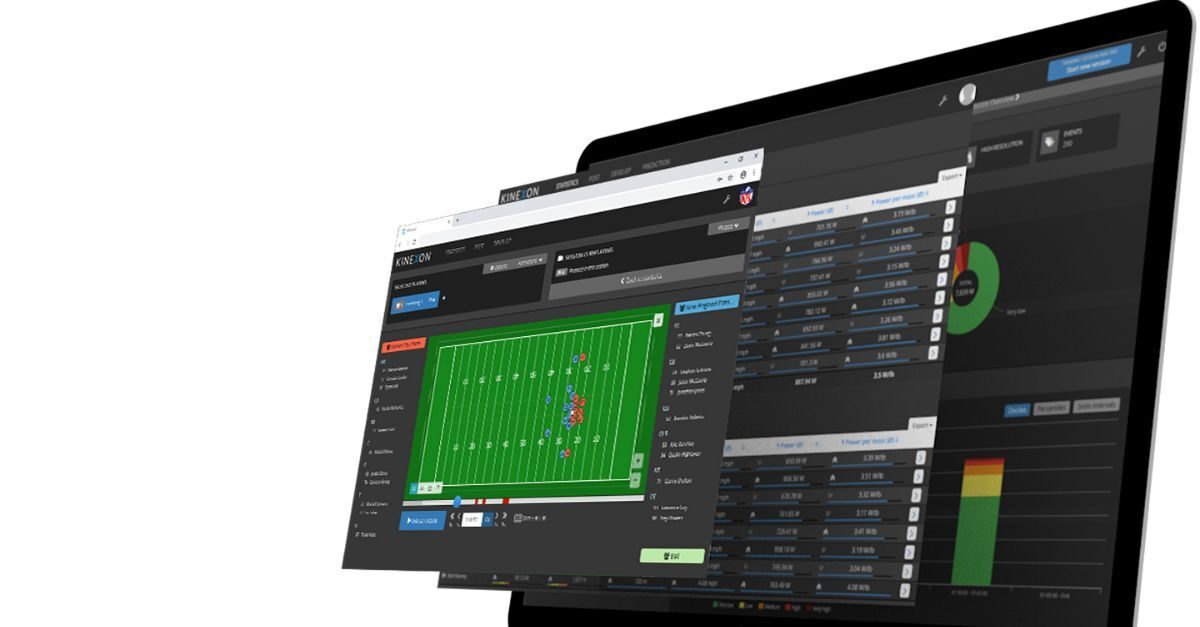
The advantages that sports performance software provides are seemingly endless. Here are some of the ways coaches and trainers use this type of technology.
Enhanced Decision Making
One of the primary advantages of sports performance analysis software is that it provides objective data for coaches. This eliminates the reliance on subjective judgment or memory recall.
By analyzing real-time or recorded videos and data, coaches can make informed decisions on team formations, player substitutions, and tactical approaches. It enables a deeper understanding of not only one’s own team but also the strengths and weaknesses of the opponent.
Tailored Training Programs

Every athlete is unique, with specific strengths, weaknesses, and areas for potential improvement. With software tools, trainers can identify these areas and design tailored training programs.
For instance, if a basketball player consistently misses three-pointers from a particular spot, the software can pinpoint this trend. Consequently, specific drills can be incorporated into the athlete’s training regimen to address this.
Decrease Injury Risk and Improving Rehab
Athletic trainers find immense value in the biomechanical analysis offered by some software. By assessing movement patterns, trainers can identify if an athlete is at risk of certain injuries.
Moreover, for athletes recovering from injuries, performance analysis software can track rehabilitation progress and ensure that they are regaining strength and form safely and effectively.
Instant Feedback
Gone are the days when players had to wait for the next day’s film session to see their performance. With real-time analysis capabilities, feedback can be provided instantly. This immediate loop allows players to understand and correct their mistakes during practice, or even in-game, leading to faster improvement.
And by comparing metrics, teams can set realistic goals and measure progress over time, ensuring a trajectory of continuous improvement.
Player Development and Motivation
Watching one’s performance and comparing it to previous sessions can be a potent motivational tool for athletes. It provides them with visual evidence of their progress, motivating them to push harder.
Coaches can highlight moments of excellence, reinforcing positive behaviors, or use mistakes as learning opportunities, thereby fostering a growth mindset.
Better Communication
Visual aids always enhance the communication process. Instead of verbally explaining a complex strategy or player movement, coaches can use the software to visually represent it, making it easier for players to grasp and implement the desired strategy.
Time Efficiency
With the vast amount of data that sports performance analysis software can process, it saves coaches and trainers countless hours.
Instead of manually reviewing footage and making notes, the software provides crucial insights in a fraction of the time, allowing coaches to focus their attention on other matters.
Sports Analytics Are Here to Stay

Sports performance analysis software is already changing the world of sports. From high schools to elite professional leagues, its impact is undeniable.
By offering objective insights, tailored training regimens, and real-time feedback, this technology empowers coaches and trainers to get the most out of their players, safely and efficiently, creating a brighter future for athletes and the sports they love.
KINEXON Sports Performance Software

KINEXON is at the forefront of leveraging technology in the realm of sports analytics. We offer a variety of GPS, IMU, and LPS systems that can be customized to any team’s needs.
Our sports performance analysis software goes beyond traditional video analysis by incorporating real-time localization and motion sensing. Utilizing cutting-edge sensor technology, KINEXON captures precise movements of athletes, offering granular insights into their performance. This provides coaches, trainers, and athletes with a wealth of data, including:
- Distance covered
- Speed
- Acceleration
- Load management
Such detailed metrics can be instrumental in tailoring training regimens, preventing injuries, and optimizing in-game strategies. We are even developing women-specific metrics for women’s sports.
If you’re interested in learning more about how KINEXON’s sports technology turns complex data sets into understandable and actionable insights, contact us at any time. Or feel free to set up a talk with one of our experts who will take you through the basics.
More stories

How Basketball Performance Data Connects the Court and Weight Room
What happens on the court shapes what athletes need in the weight room. Purdue’s Jason Kabo shares how he cross-references KINEXON performance data with sprint testing and other measures to adjust training, manage individual workloads, and guide daily decisions.

From Jump Count to a More Complete View of Volleyball Load
Jump count is one of the most familiar metrics in volleyball, but it only captures part of an athlete’s physical performance. Looking at movement intensity, like acceleration or changes of direction, and position-specific demands can provide the context needed for a more complete view of the overall load.

Limited Camps, High Demands: Preparing for International Handball Tournaments
The Women’s EHF EURO and Men’s World Championship present a similar challenge for performance staff: preparing players for an intense tournament with limited time together. How can national teams use the camps leading into competition to better understand and manage individual load?

How Drill Intensity Shapes Weekly Basketball Load Targets
Basketball coaches need more than a list of practice drills. Historical performance data and drill intensity help coaches refine practice plans, manage individual workloads and adjust the next session based on what athletes actually completed.

Sustainability: Can the Athlete Maintain Intensity Throughout the Duration of the Game?
Matching game workloads are only part of athlete preparation. Can players sustain high-intensity efforts when fatigue builds? Read more from Dayannara Munoz, KINEXON Sports Customer Success Manager, about how performance data helps coaches assess changes in output, compare practice with competition, and prepare athletes to meet the demands of the entire game.

How Individualized Football Performance Data Improves Load Management
Football performance data helps coaches move beyond team averages to individualize load management. By combining GPS metrics with each athlete’s role, historical data, and readiness, coaches can identify the right exposure, reduce excessive stress, guide recovery, and better prepare every player for game day.

Beyond the National Team Window: How the DHB Connects Performance Data
National teams spend only a fraction of the season with their athletes. See how the German Handball Federation connects club and national-team data to maintain performance context across the season and support individual decisions when players move between environments.

One Athlete, Two Jerseys: Connecting Athlete Monitoring Between Club and Country
When athletes move between club and country, their performance history moves with them. The 2026 FIBA Women’s Basketball World Cup highlights why monitoring continuity matters when athletes arrive with different workloads, competition exposure and preparation behind them.

The Role of Connected Ball Technology in Modern Officiating
From ghost goals to offsides, officiating technology has steadily raised fairness in football. But the one element at the center of every decision, the ball, has until now been silent. Connected Ball Technology (CBT) changes that, giving football’s most iconic object its own voice.

COMPETE Vision on a New Level: Refined for Faster Insights
The latest COMPETE Vision update streamlines the entire performance analysis workflow, from camera setup to automated reporting. Faster uploads, improved player identification, automated court calibration, and smarter player assignment help coaches spend less time managing technology and more time turning objective data into coaching decisions.

How KINEXON Game Insights Gives Basketball Coaches the Tactical Advantage
Basketball coaches already use in-game tracking data to evaluate their athlete’s physical exposure. As more teams adopt performance tracking methodologies, that same underlying data source can extend beyond physical optimization and be utilized to compare rosters, assess opponents, and understand the demands behind each matchup.

From Data to Decisions: Six Key Takeaways from Elite Handball Performance Practitioners
Elite handball is one of the most physically demanding team sports in the world. Within sixty minutes, players sprint, decelerate, jump, throw, change direction, absorb contact, and repeat those actions under fatigue, all while making split-second tactical decisions.

From Potential to Performance: How AI, Ball & Player Tracking Are Transforming Talent Identification in Youth Football
How can AI, player and ball tracking, and expert scouting work together to identify football talent? Discover how Skillers Academy, SAP, and KINEXON Sports combine connected technologies and human expertise to create a more objective and accessible approach to youth talent identification.

How Xavier Women’s Basketball Optimizes Daily Load Targets for Low- and High-Minute Players
Optimizing daily workloads goes beyond keeping players fresh. For Xavier’s Gil Weinstein, Head Strength and Conditioning Coach, daily (and weekly) performance reports helped connect practice loads to game demands, guide workload adjustments, and support 99% player availability throughout the 2025 – 26 season.

Inside Columbia Women’s Basketball’s Approach to In-Season Load Management
Managing in-season workloads takes more than tracking minutes. Performance data helps basketball coaches individualize weekly targets, adjust practice plans, and keep high-minute players, role players, and scout team athletes prepared to perform.