A Collection of Insights: 2022 State of Performance Tracking in College Basketball Report
While some collegiate programs utilize data to maximize performance on and off the court, others await their chance to take their skills to the next level. KINEXON surveyed more than 500 men’s and women’s college basketball student-athletes and interviewed coaches across the U.S. — get exclusive insights here!

How can programs utilize their resources to get the most out of their athletes and investments in sports performance tracking technology?
We asked ourselves the same question and asked the experts: basketball student-athletes and coaches across the country.
Access the full report here:
Key Highlights
- 8 in 10 student-athletes say their team uses performance tracking and/or wearable technology. Further, most are employing multiple, with the most common response being that players use 2 – 3 different types of technologies on their teams.
- 86% of college basketball players say performance tracking technologies have had a moderate to a significant impact on their athletic ability and gameplay
- 48.57% of college student-athletes believe they are at a disadvantage for athletic development compared to schools that implement performance tracking technology
One Team, Multiple Performance Tracking Technologies
More college athletes are using player tracking and/or wearable technology than ever. As coaches try to find a competitive edge against their competition, athletes are beginning to fall behind compared to their competition, who are implementing multiple performance tracking technologies into their daily workload. 8 in 10 student-athletes say their team uses performance tracking and/or wearable technology. Further, most are employing multiple, with the most common response being that players use 2 – 3 different types of technologies on their teams.
Performance Tracking is Key to Managing Injury and Reducing Recovery Time
Injury prevention has become an essential topic for coaches to address. For most student-athletes, different factors play a role in recovering from injuries. As more schools implement performance tracking technologies, student-athletes are seeing a positive correlation between the ongoing usage of performance tracking technology and the rate of injury. Survey results have shown that 86% of college basketball players say performance tracking technologies have moderately or significantly impacted their athletic ability and gameplay.
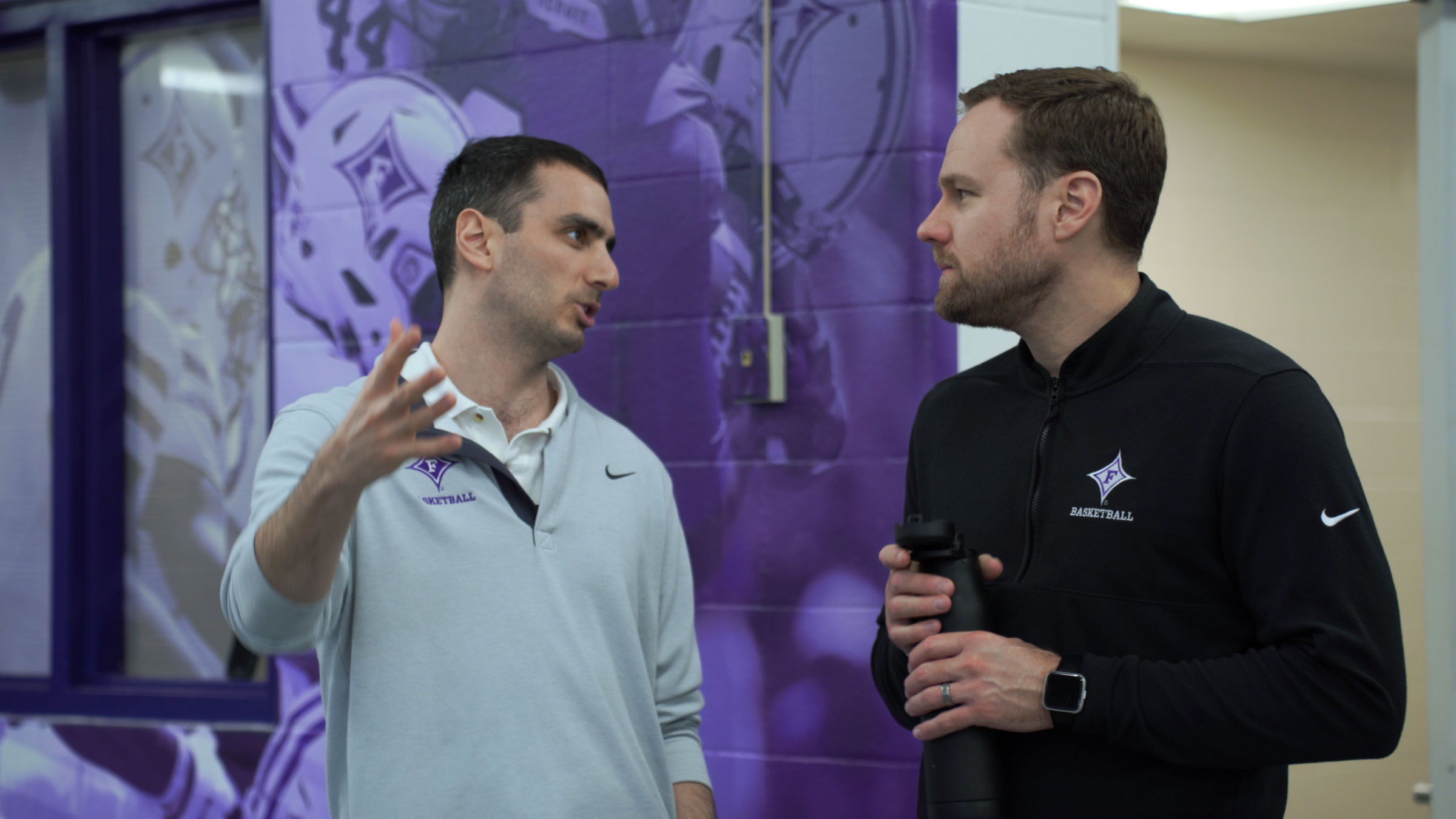
A big part of the responsibility as athletic trainers is actually injury prevention. An athlete’s main commodity is availability, so how do you stress an athlete without over-training? The metrics KINEXON provides with accumulated loads, springs, jumps, etc., are incredibly valuable in how to manage an athlete: how to develop them; how to manage each practice week; how to manage each game. It’s also very valuable in terms of recovery.
Missing Performance Tracking Technology Means Missing Opportunities
Coaches and staff continue to search for solutions regarding load management. Understanding how an individual athlete performs during practice and on gameday is becoming more pivotal to instilling the proper load parameters.
Data shows 48.57% of college student-athletes believe they are at a disadvantage for athletic development compared to schools implementing performance tracking technology.
With nearly half of the student-athletes stating they feel at a data disadvantage compared to those using performance technology, will more collegiate programs begin introducing new resources for their athletes?
Want to know more? Find further details, insights and facts about performance tracking in the complete college basketball report.
More stories

REWE Final4 Breaks New Ground with Cutting-Edge Handball
Each year, thousands of handball fans converge at the REWE Final4, while millions tune in from home. Alongside the Handball Bundesliga, it doesn’t get much bigger than this. Except this year.

Study Reveals: Olympic-Based Strength Training Enhances Handball Skills!
Imagine the power and agility of an Olympic athlete combined with the strength and endurance of a handball player. That’s exactly what a recent study set out to explore. The goal? To unlock new levels of performance for women handball players.

What's Still Missing on The Journey to Equality for Women Athletes?
Researchers from the Bundesliga club, TSG 1899 Hoffenheim, are conducting a study on the influence of the menstrual cycle on the performance of women athletes. Dr. Sascha Härtel and Dr. Ludwig Ruf shared insights into the research, and talked about what is still needed.

Study Reveals the Most Popular Shot EuroLeague Basketball Players Take
Sports analytics and data-driven forecasting play crucial roles in European basketball. Researchers are trying to identify essential performance metrics and effective coaching strategies. What they’re finding is that one type of shot is more popular than the rest.

Why Underloaded EuroLeague Basketball Players Still Need Data
As Head of Performance at Fenerbahce Beko Istanbul, Kostas Chatzichristos knows basketball analytics. He explains why coaches need to collect data on all players — even the ones who aren’t getting minutes.
What a UL Experiment Revealed About Merging Live GPS Data and Recovery Tech
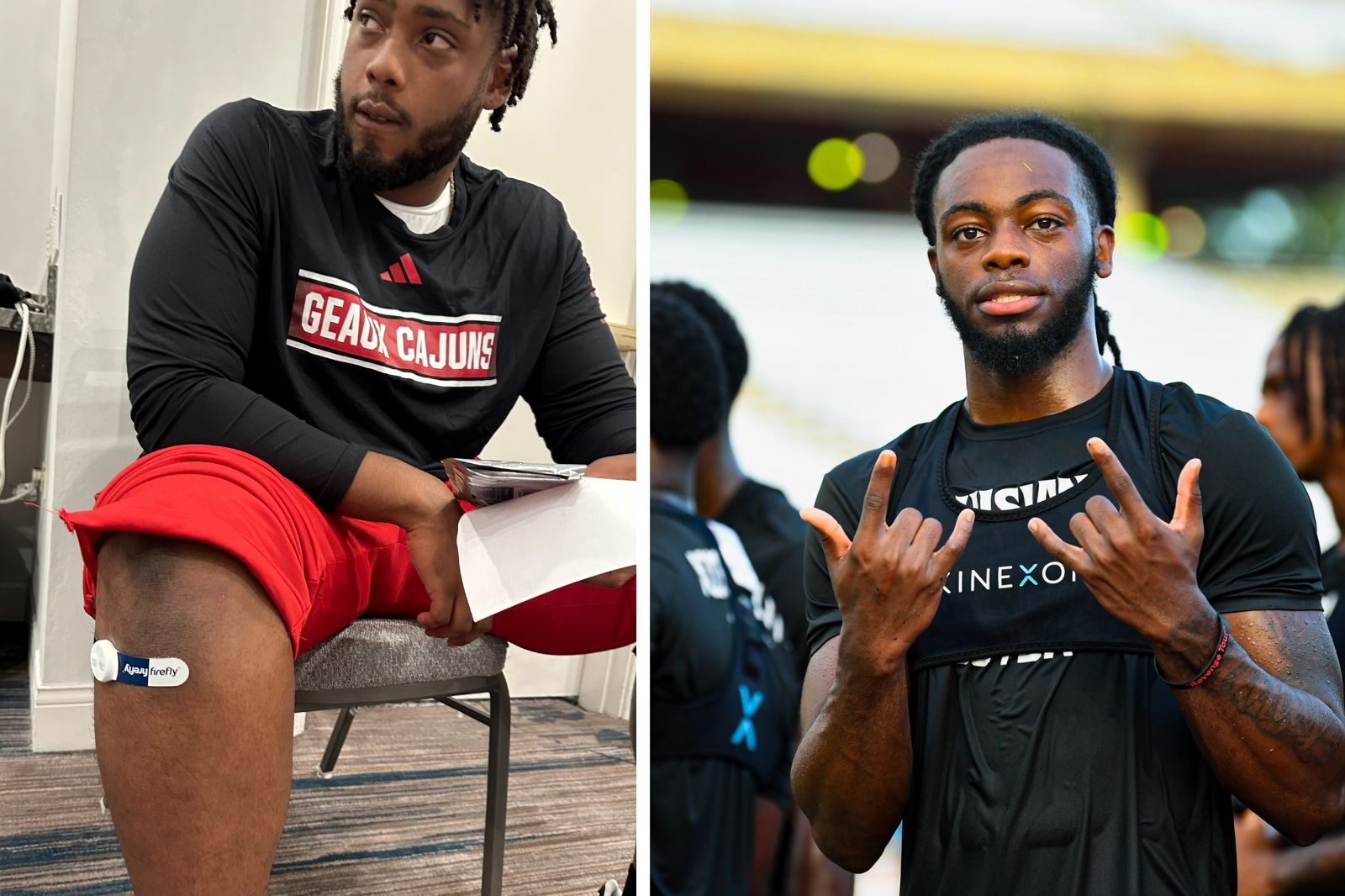
In football, recovery is as important as training. Recently, the sports medicine staff from the University of Louisiana conducted an experiment to gauge the impact Firefly Recovery Devices may have on a player’s recovery with the help of live data from KINEXON Sports.
How Basketball Coaches Can Use Sports Video Analysis Software
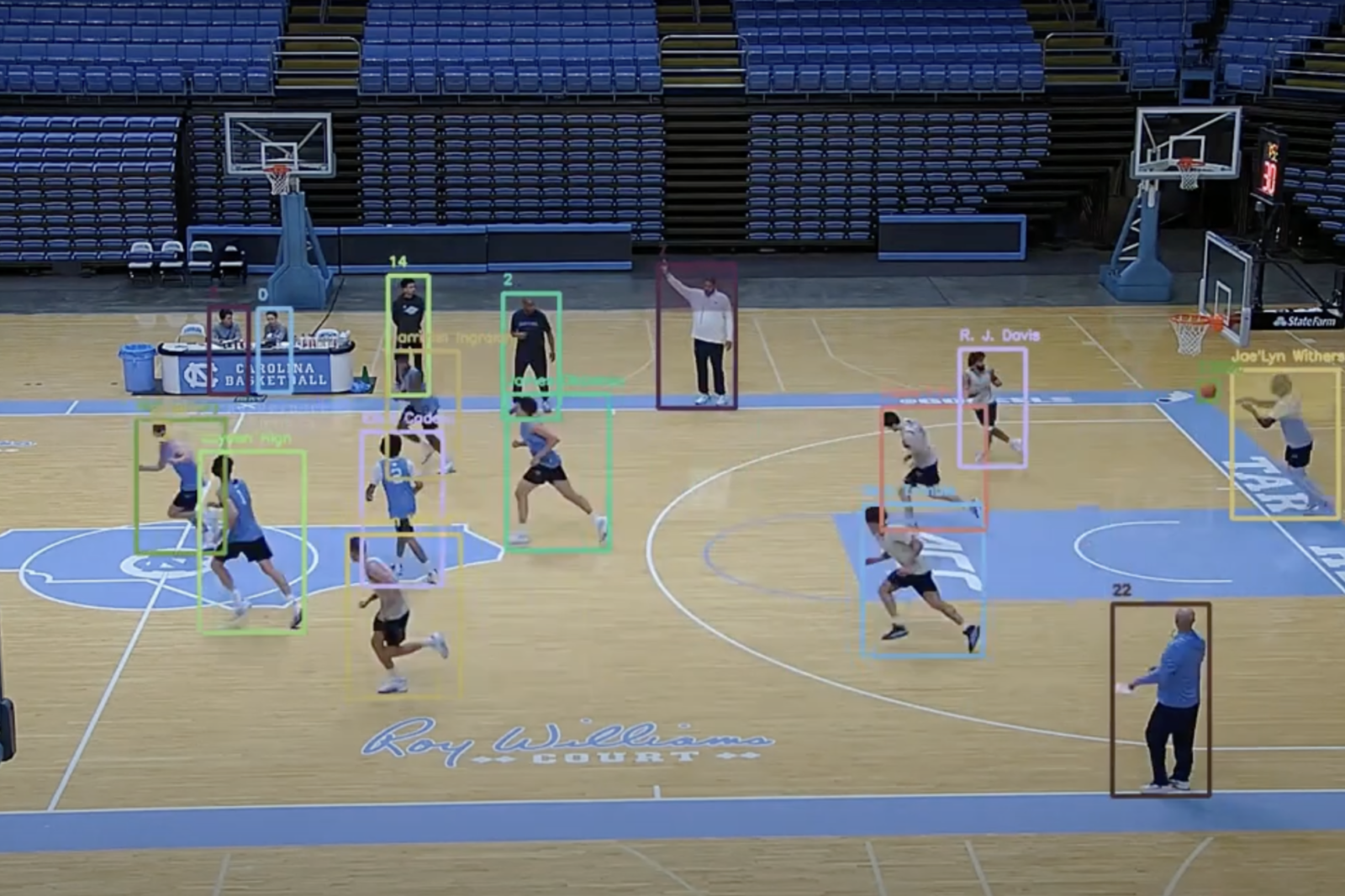
Basketball coaches and players strive to understand the intricacies of each shot. But using a video analysis software, that doubles as basketball shot tracking app, promises to be the Holy Grail for those seeking comprehensive insights.
What Are The Volleyball Metrics That Matter Most to Coaches?
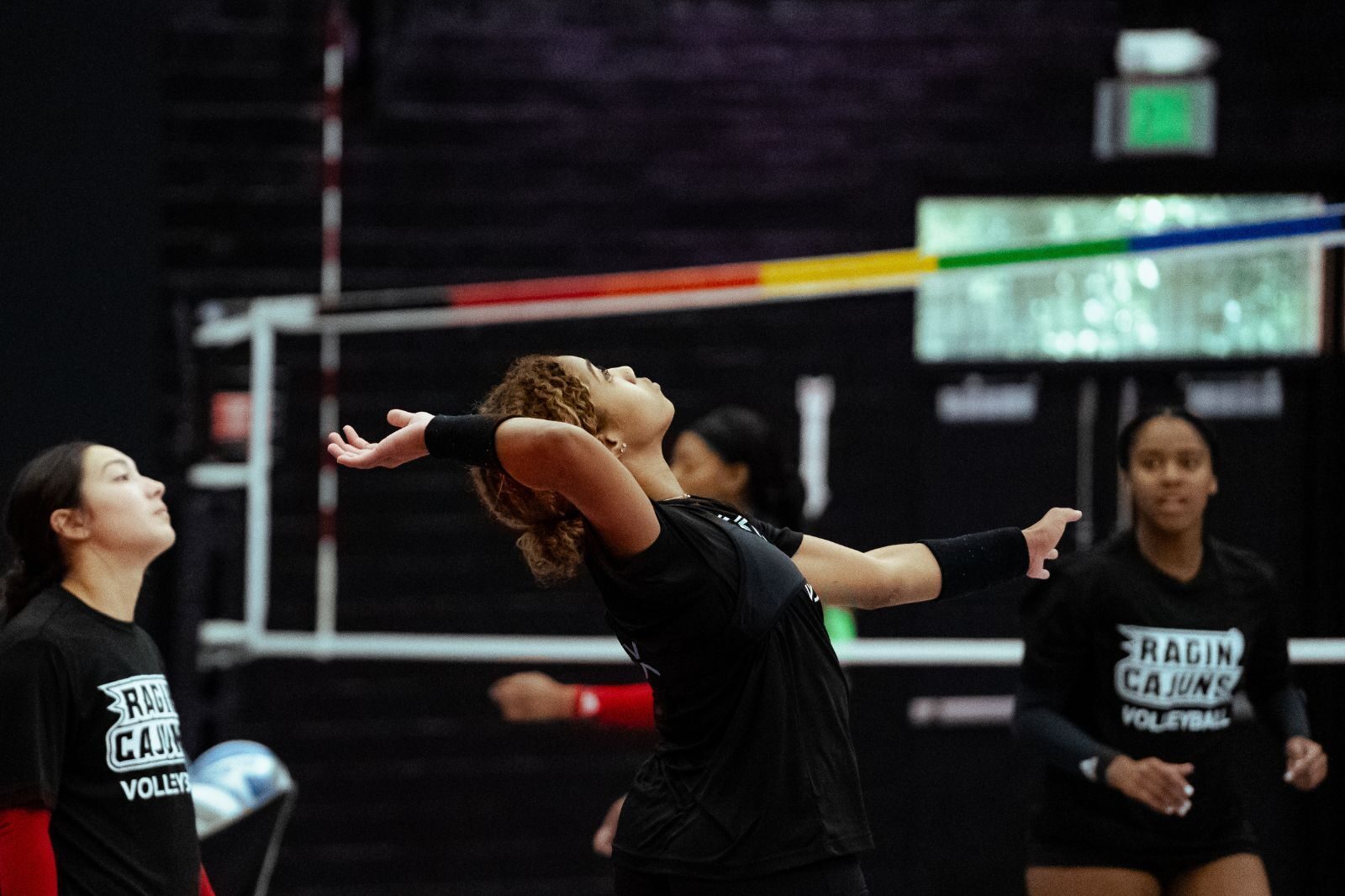
Volleyball positions require speed, agility, power, and precision. But how do you know if your team is performing at its best? How do you measure your progress and identify your strengths and weaknesses? This is where player metrics and analytics come in.
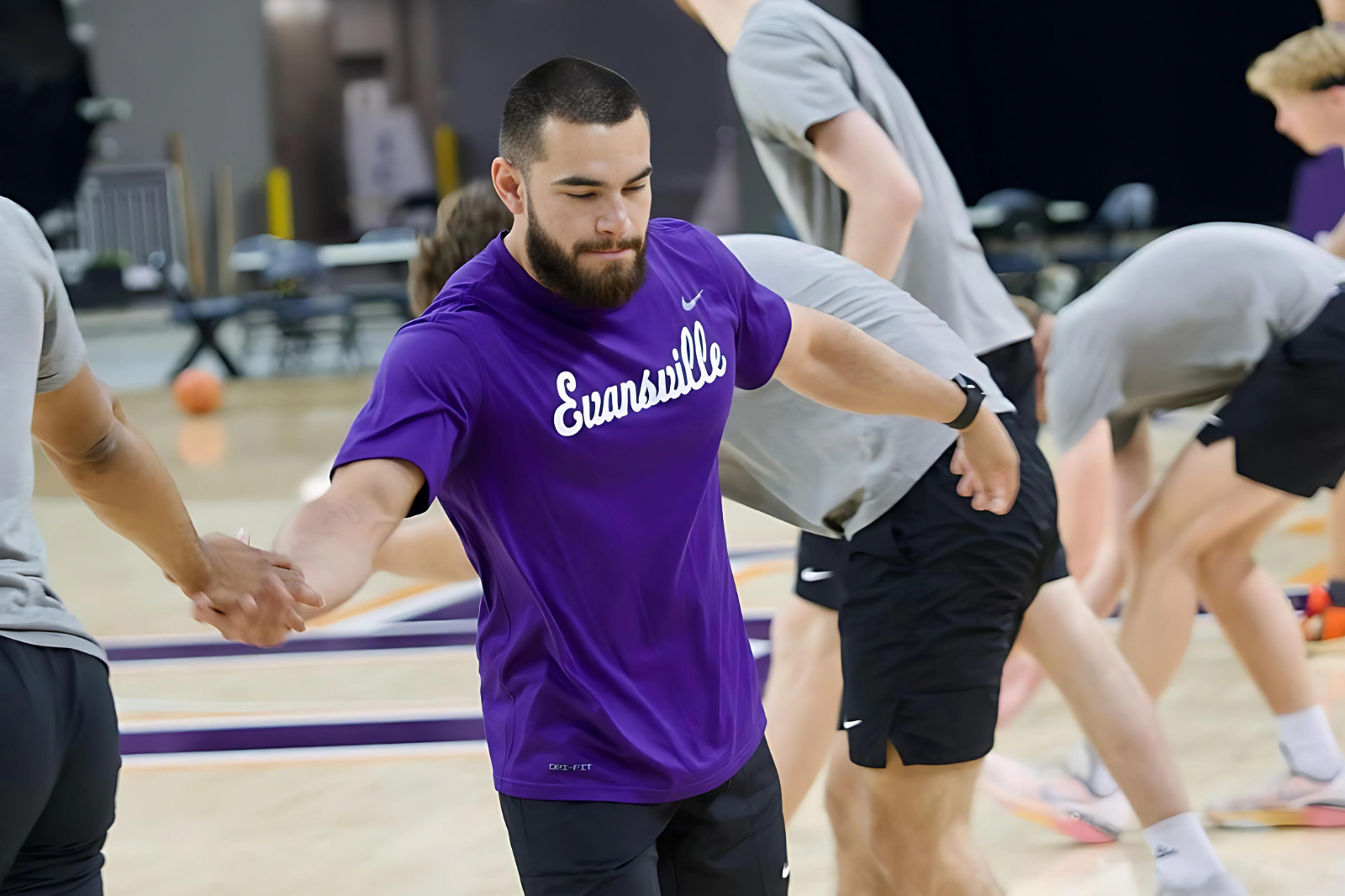
Why Evansville University’s Sports Performance Coach Dislikes Backpedaling
How can players optimize their performance and avoid wasting steps on the court? That’s the question Jeremy Portillo, the sports performance coach for Evansville University men’s basketball team, was asked on a recent episode of “The Extra Edge” podcast. He gave a jaw-dropping answer.

Athletic Performance: Why is it Important to Understand and Track Acceleration?
Athletic ability is often associated with an athlete’s explosive speed and acceleration. That’s why acceleration is often called one of the cornerstones of excellence in athletic performance. But did you know that it can be improved with the right tools and training methods?

How UAB's Strength Coach Sold Football Analytics to His Head Coach
Author: Dave Grendzynski
Lyle Henley, the Director of Sport Performance for the University of Alabama Birmingham. football team. He’s a strong advocate for sports data. He shares his story of how he sold his old school head coach, Trent Dilfer, on the idea of using data.

What Kind of Live Data Can an LPS System Provide Fans During an American Football Game?
Coaches, players, media, and fans crave real-time insights to enhance performance, strategy, and engagement in American Football. Now, LPS technology is providing just that. Giving everyone in the stands, and watching at home, a view of the game they have never seen before.

What Stanford's Volleyball Strength Coach Avoids Every Season to Stay on Top
Author: Dave Grendzynski
Tyler Friedrich is the sports performance coach for the women’s volleyball team at Stanford University. He’s been helping them improve their strength, speed, agility, endurance, and jump height for more than 8 years. He says to stay on top, there’s one thing coaches should avoid.
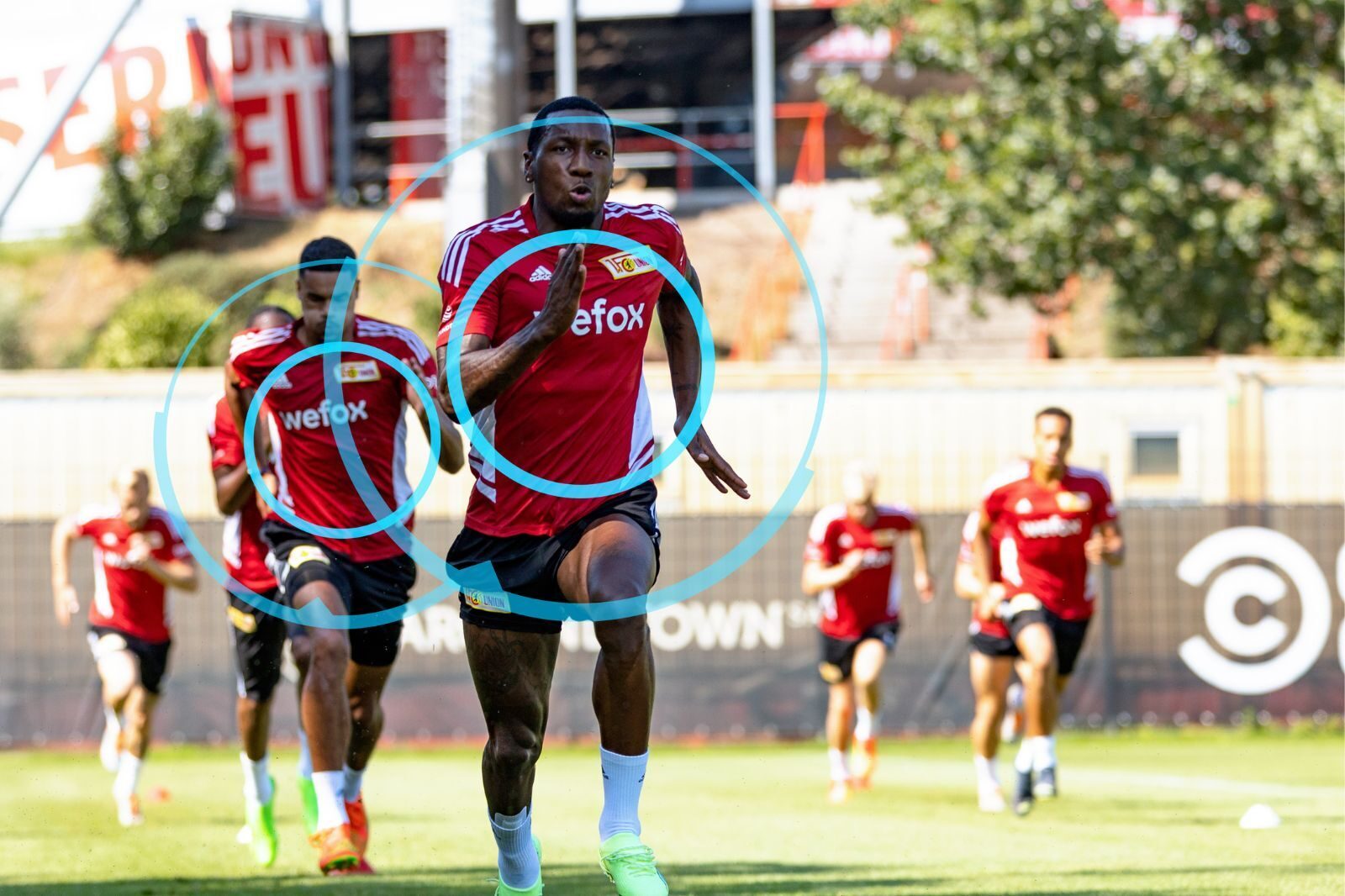
Why Integrating Football Match Data with Sports Performance Training is So Important
In football (or soccer, as it’s known in some parts of the world), coaches are constantly seeking innovative ways to enhance player performance. One powerful approach that’s gaining traction is the integration of match data with sports performance training metrics that are GPS-based.
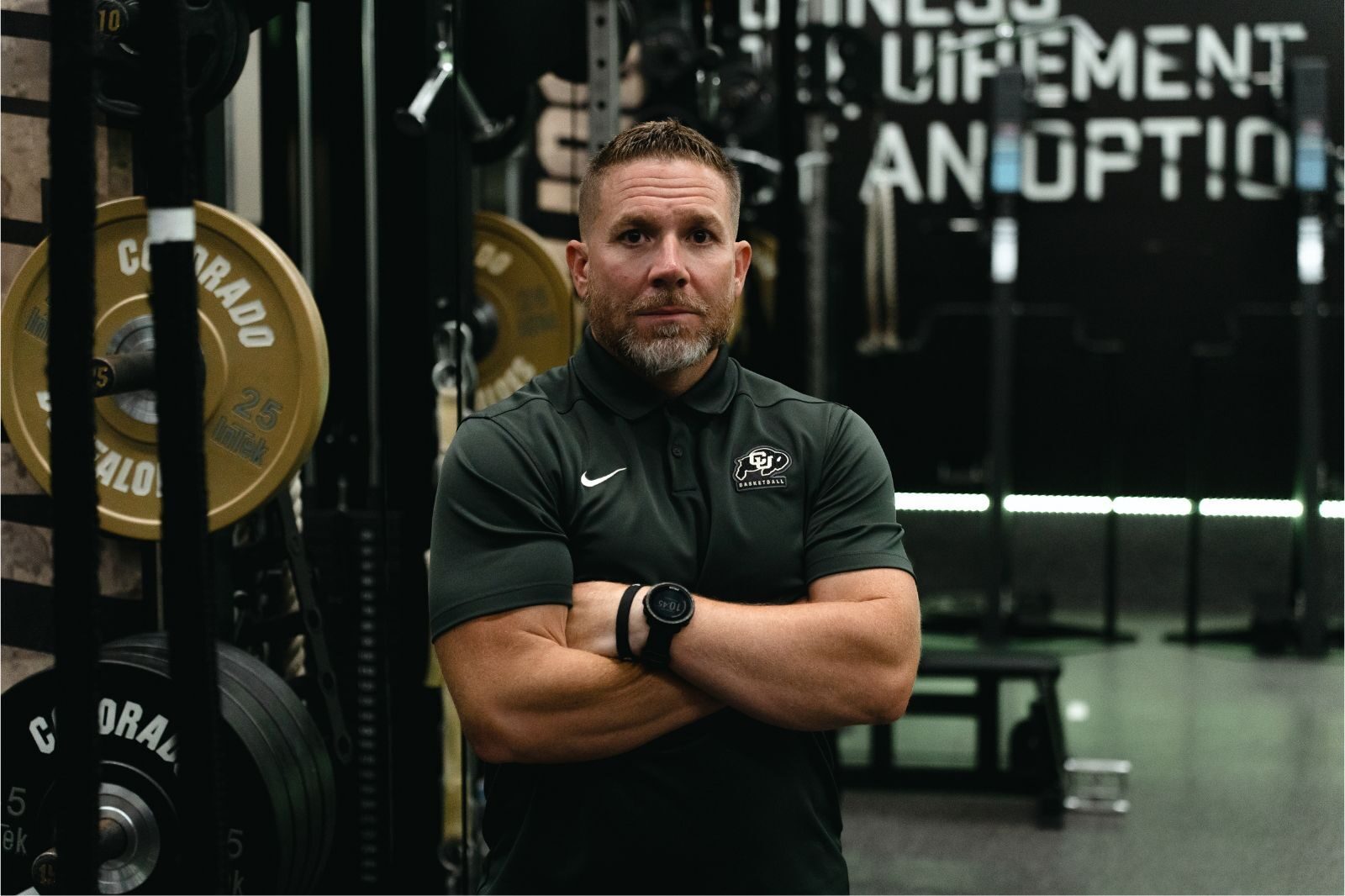
What Strategies Can Coaches Use To Find Top-Tier Sports Data Analysts?
Author: Dave Grendzynski
As the Director of Sports Performance at the University of Colorado, Steve Englehart realized he needed someone who could make sense of the data he was collecting. He explains how he found his analyst and how other coaches can find one too.