Behind the Scenes: How KINEXON Sports Data is Being Used at EHF Euro 2024
Author: Jan Pfisterer
Since 2020, KINEXON Sports has been providing information and statistics at the Men’s and Women’s EHF EURO, and this year is no different. But you may notice something new.

We’re still providing the full picture of what happens on the field at EHF EURO events, and due to cooperation with University of Alicante EHF EURO gets deeper insights and scientific analysis of the players’ tracking data.
But new for this year, EHF EURO is allowing us to open the coaches’ dashboard to all federations and sharing the data with them. They can have access to data on load management metrics (like running speed) via the coaches’ dashboard or see things like shot maps and shot speed through the media dashboard. And they can track it live, or post-match.
A lot of the data we’re providing is shared on the EHF EURO homepage on its website. And the ball data is shared during the broadcasts and sometimes on social media. So, if you’re registered as a media partner at EHF EURO, you can use you account to just get access to the simple or reduced set of media data.
Player Tracking Data Being Collected and Shared at EHF EURO 2024
The KINEXON Sports sensor that is worn under their uniform shirts, collects specific player data, while the sensor in the ball collects throwing and passing data, as well as shot speed.
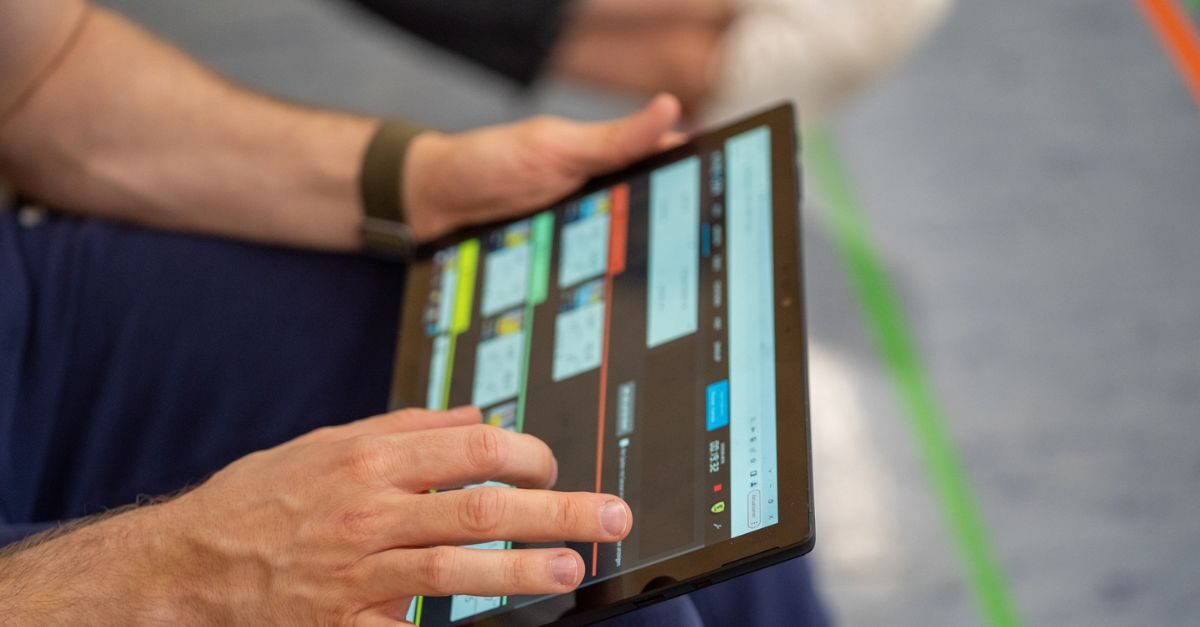
The coaches’ dashboard provides detailed information on load on every player. KINEXON sports scientists take this information and make it understandable for teams, coaches, and players.
The media dashboard displays a breakdown of the metrics in an easy-to-read format for fans, broadcasters, and social media managers to enjoy.
What Metrics Matter Most at EHF EURO
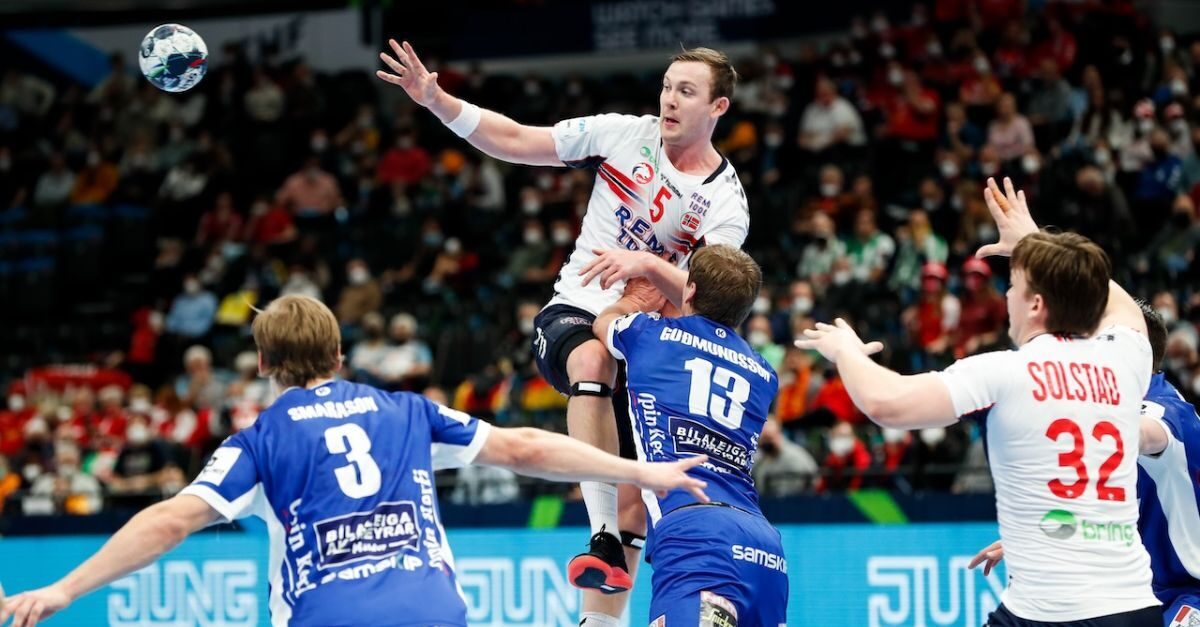
Some metrics that stood out at EURO 2020 and 2022 include the 327.60 kilometers (about 203.56 mi) France ran while competing at the EHF EURO 2022, ahead of Spain who had 324.94 km (about 201.91 mi). And Czechia’s Stanislav Kasparek’s fastest shot at 139.76 km/h (about 86.84 mph).
Ball speed is one of the most popular metrics because everyone wants to know how fast the ball is moving. Then you can track top speeds in a game, or in an entire tournament.
Change of direction, acceleration and deceleration are also popular metrics, as is airtime. How long can someone “fly”, per se, and how high can they jump? The sensor measures the time from impact (jump) to impact (land), and everything in between.
We are also tracking passes and the paths ratio. This is interesting, especially for playmakers and the combination of playmakers, and the line players. Also, the passing rate and the passing accuracy is really relevant for coaches.
Accuracy is Critical in Tracking Handball Players
To compile this data, the EHF Euro 2024 relies on KINEXON PERFORM LPS. It’s the gold standard because it is the most precise sports tracking system on the market — in all sports and environments.
One of the major strengths of KINEXON Sports solutions is the ability to provide accurate information, which is critical. It’s not easy to track handball because it’s a fast sport that’s played on a small field.
A handball field is 40 meters long, and less than that after accounting for goal space, so you have players who are accelerating and decelerating (very important handball metrics) within a roughly 20-meter space. So, we’re dealing with a lot of short-track max accelerations, and then track top speeds on a much shorter range than say a football (soccer) field.
Teams and federations use the data to get a clearer picture of the court action, which benefits them in the long run. It helps them to precisely measure the physical and physiological demands and gather positional data during the matches, so they can identify the best performance indicators for a successful team.
Players also like the size of the player tracking device the KINEXON PERFORM LPS system uses because it is so small and lightweight, they hardly know it’s there, especially when they land on the field.
They don’t want the added pain of a player tracking device piercing them, and with PERFORM LPS, it does not happen. This is important because handball players dive and hit the floor an estimated 30% during each game.
Ball Tracking Data is Also Extremely Important
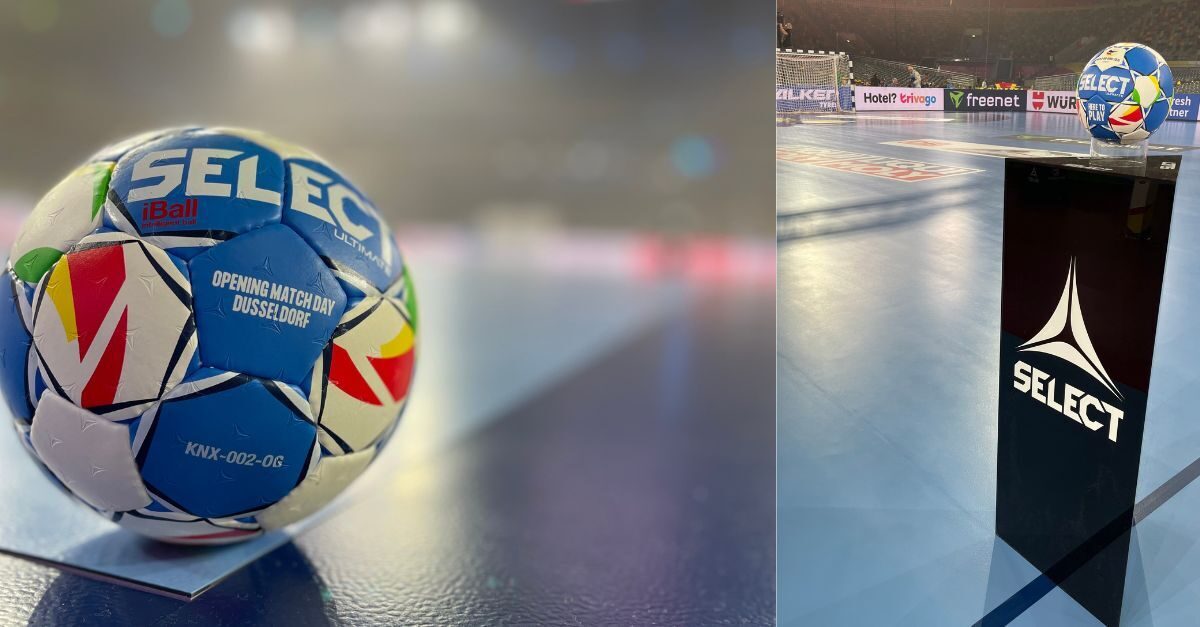
And did we mention that the ball is roughly the size of a honeydew melon? It’s not very big. But we can track it because of the size and the accuracy of the sensor in the ball. It can measure the speed, spin, and trajectory of the ball and detect events such as goals, passes, and shots, and provide feedback to the players and coaches.
We’re even tracking running distance (and other load management metrics) on the referees for the federation to use internally.
Add it all up, and it’s what makes KINEXON Sports unique.
KINEXON SPORTS Makes Handball More Understandable Through Data

Collecting data and turning it into insights for the coaches and players to use, but also for the media and fans to enjoy, helps to make the game more understandable for everyone involved.
Coaches and players can improve performance, while fans and the media get a better idea of how good these athletes really are.
The next step is to take that data and find other uses for it, like betting (fastest shot, longest shot, etc.) and partner sponsorships.
The Men’s EHF EURO 2024 will be another opportunity for the handball community, both fans and specialists, to use this data. It’s no secret that live tracking and performance data will be an integral part of handball in the future.
If you’d like more information on KINEXON PERFORM LPS, download the brochure via the link below.
More stories

Study Reveals: Olympic-Based Strength Training Enhances Handball Skills!
Imagine the power and agility of an Olympic athlete combined with the strength and endurance of a handball player. That’s exactly what a recent study set out to explore. The goal? To unlock new levels of performance for women handball players.
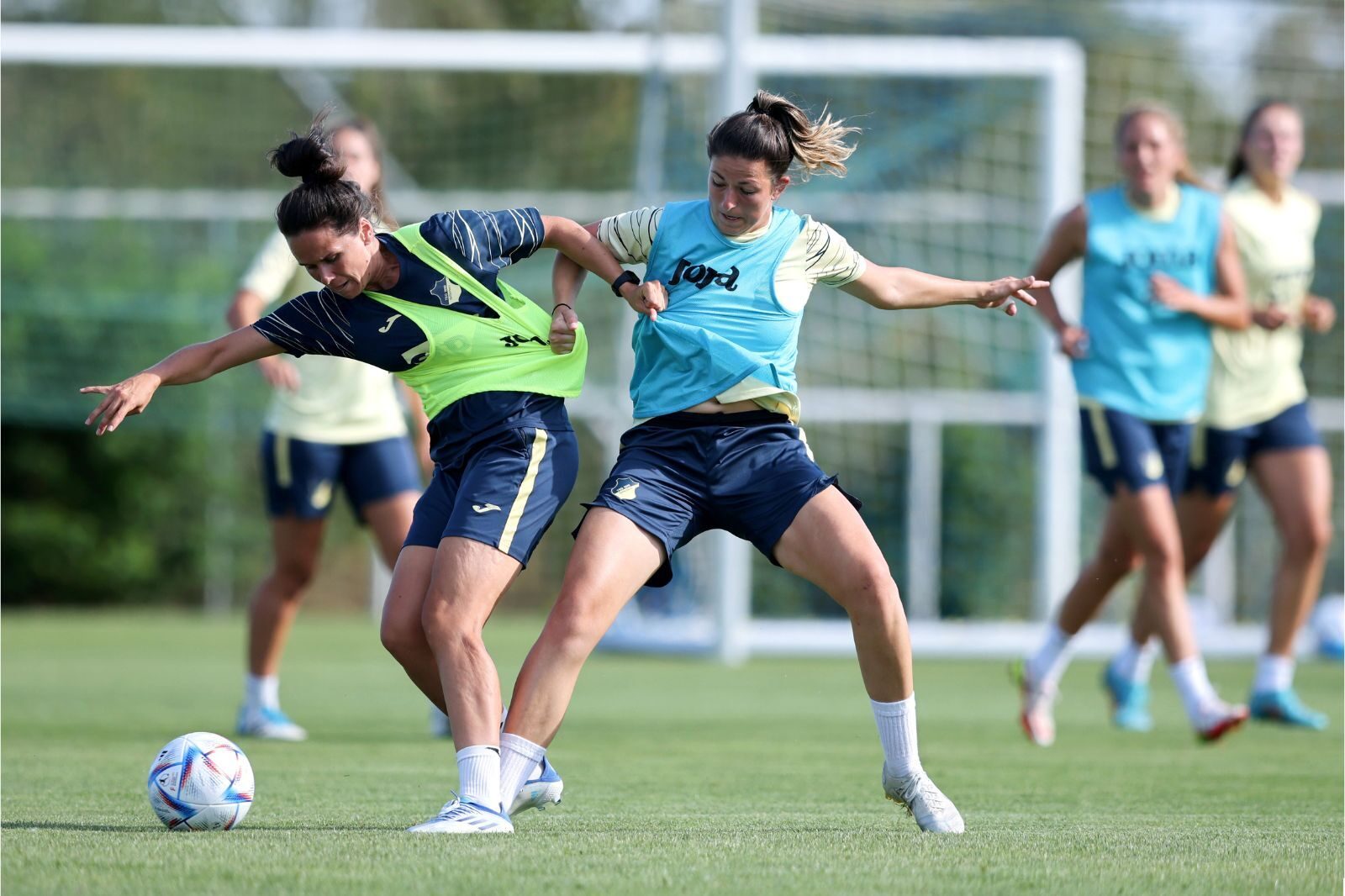
What's Still Missing on The Journey to Equality for Women Athletes?
Researchers from the Bundesliga club, TSG 1899 Hoffenheim, are conducting a study on the influence of the menstrual cycle on the performance of women athletes. Dr. Sascha Härtel and Dr. Ludwig Ruf shared insights into the research, and talked about what is still needed.
Study Reveals the Most Popular Shot EuroLeague Basketball Players Take
Sports analytics and data-driven forecasting play crucial roles in European basketball. Researchers are trying to identify essential performance metrics and effective coaching strategies. What they’re finding is that one type of shot is more popular than the rest.

Why Underloaded EuroLeague Basketball Players Still Need Data
As Head of Performance at Fenerbahce Beko Istanbul, Kostas Chatzichristos knows basketball analytics. He explains why coaches need to collect data on all players — even the ones who aren’t getting minutes.

What a UL Experiment Revealed About Merging Live GPS Data and Recovery Tech
In football, recovery is as important as training. Recently, the sports medicine staff from the University of Louisiana conducted an experiment to gauge the impact Firefly Recovery Devices may have on a player’s recovery with the help of live data from KINEXON Sports.
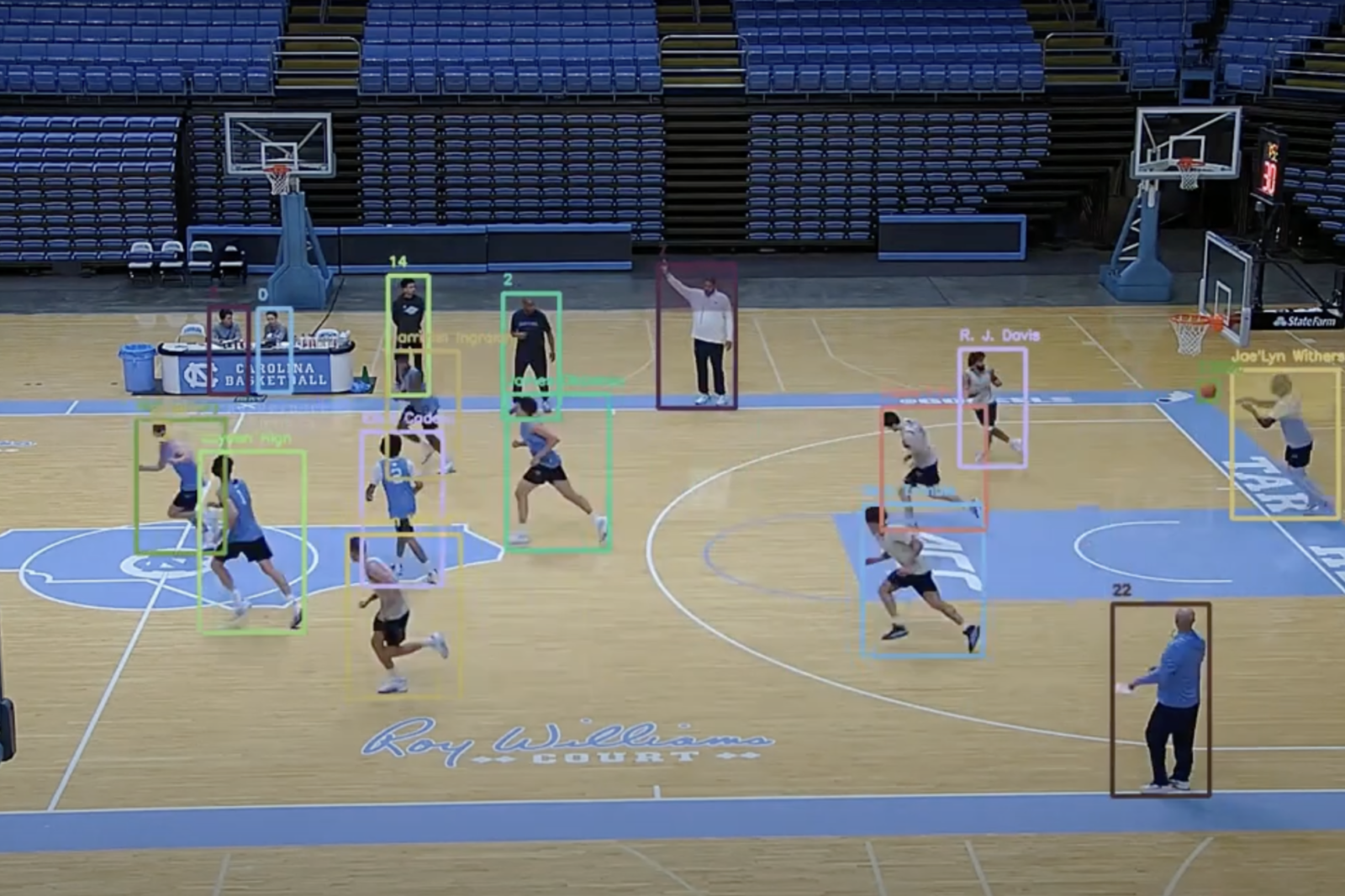
How Basketball Coaches Can Use Sports Video Analysis Software
Basketball coaches and players strive to understand the intricacies of each shot. But using a video analysis software, that doubles as basketball shot tracking app, promises to be the Holy Grail for those seeking comprehensive insights.
What Are The Volleyball Metrics That Matter Most to Coaches?
Volleyball positions require speed, agility, power, and precision. But how do you know if your team is performing at its best? How do you measure your progress and identify your strengths and weaknesses? This is where player metrics and analytics come in.
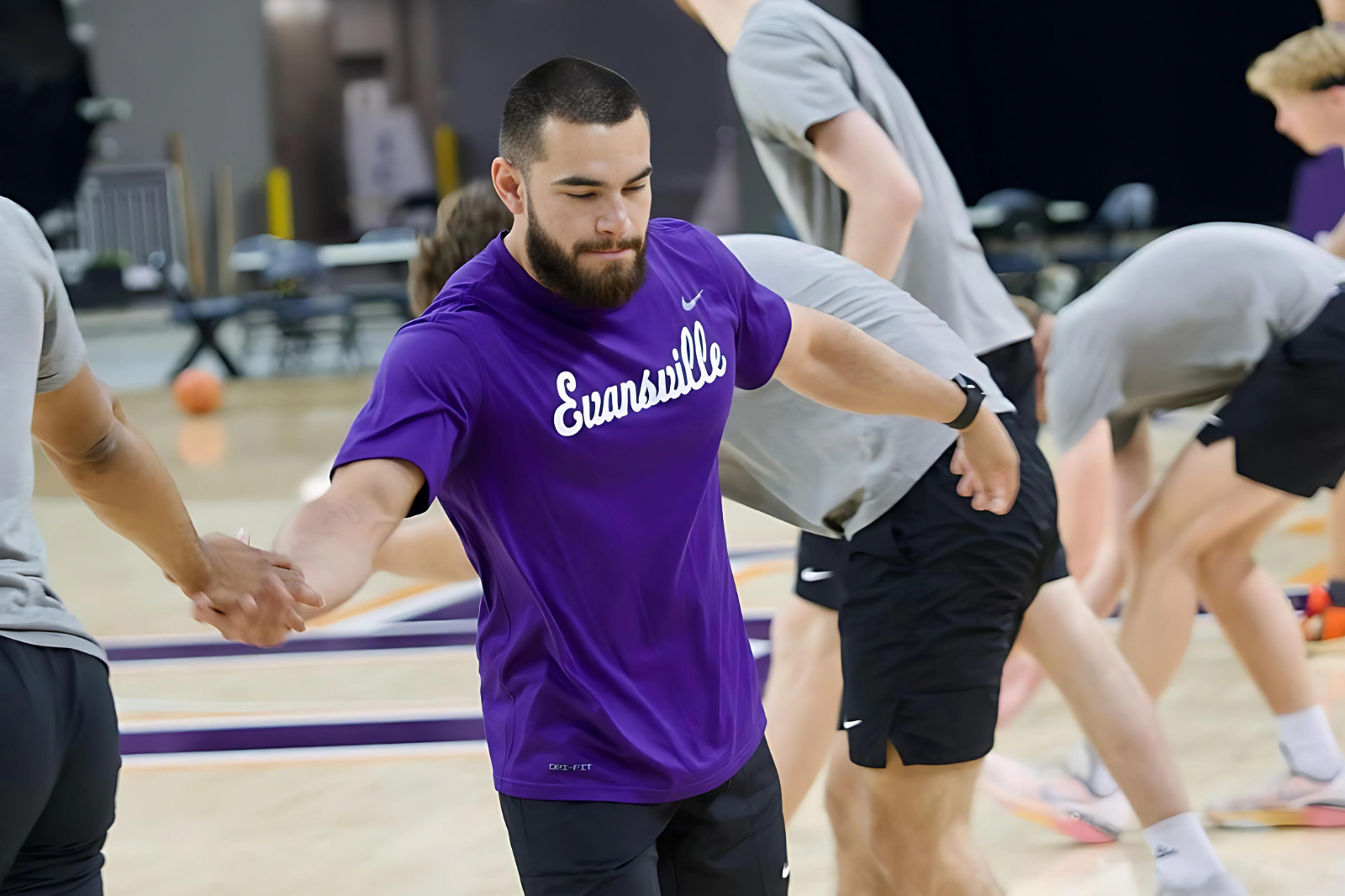
Why Evansville University’s Sports Performance Coach Dislikes Backpedaling
How can players optimize their performance and avoid wasting steps on the court? That’s the question Jeremy Portillo, the sports performance coach for Evansville University men’s basketball team, was asked on a recent episode of “The Extra Edge” podcast. He gave a jaw-dropping answer.

Athletic Performance: Why is it Important to Understand and Track Acceleration?
Athletic ability is often associated with an athlete’s explosive speed and acceleration. That’s why acceleration is often called one of the cornerstones of excellence in athletic performance. But did you know that it can be improved with the right tools and training methods?

How UAB's Strength Coach Sold Football Analytics to His Head Coach
Author: Dave Grendzynski
Lyle Henley, the Director of Sport Performance for the University of Alabama Birmingham. football team. He’s a strong advocate for sports data. He shares his story of how he sold his old school head coach, Trent Dilfer, on the idea of using data.
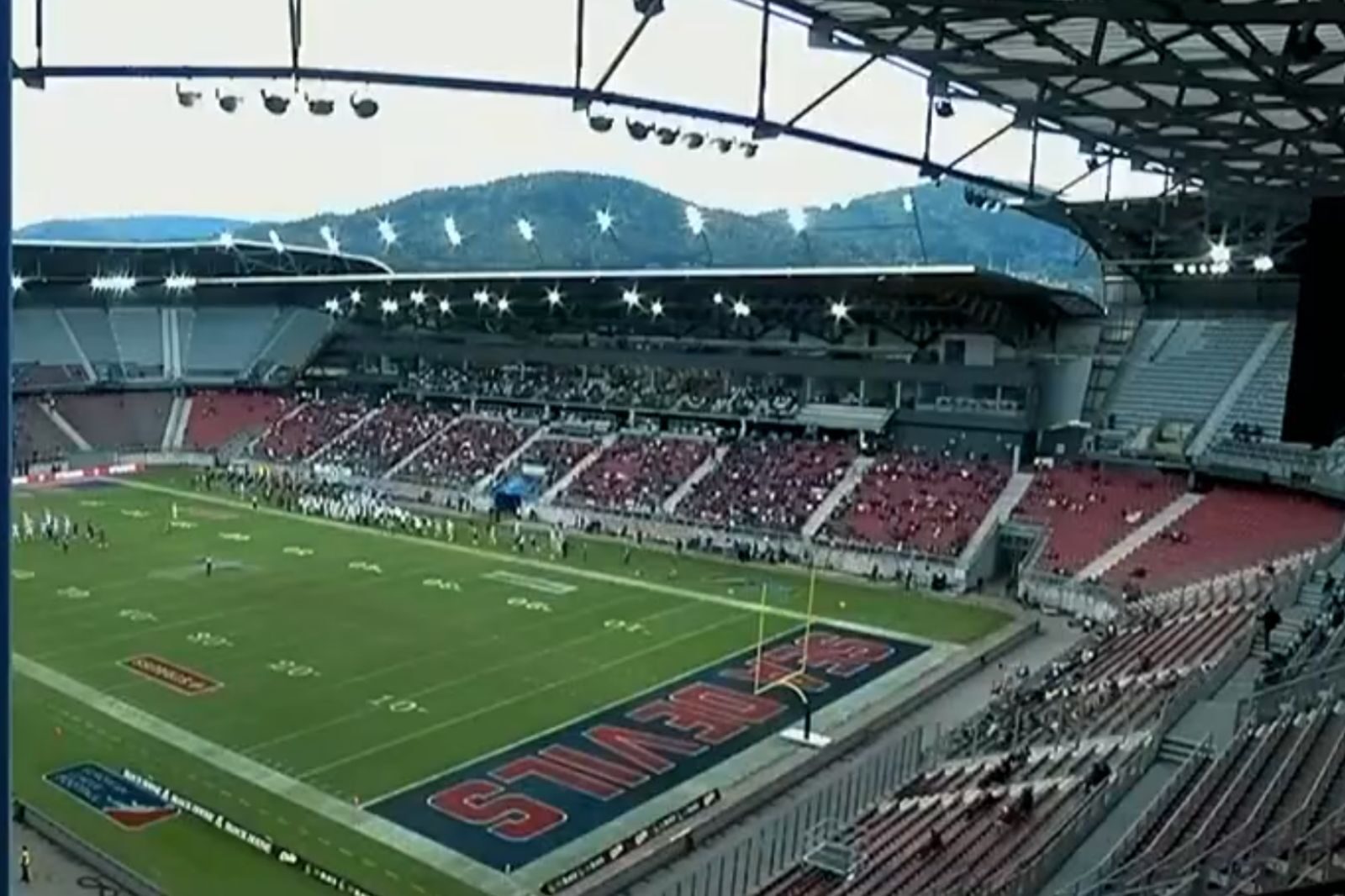
What Kind of Live Data Can an LPS System Provide Fans During an American Football Game?
Coaches, players, media, and fans crave real-time insights to enhance performance, strategy, and engagement in American Football. Now, LPS technology is providing just that. Giving everyone in the stands, and watching at home, a view of the game they have never seen before.
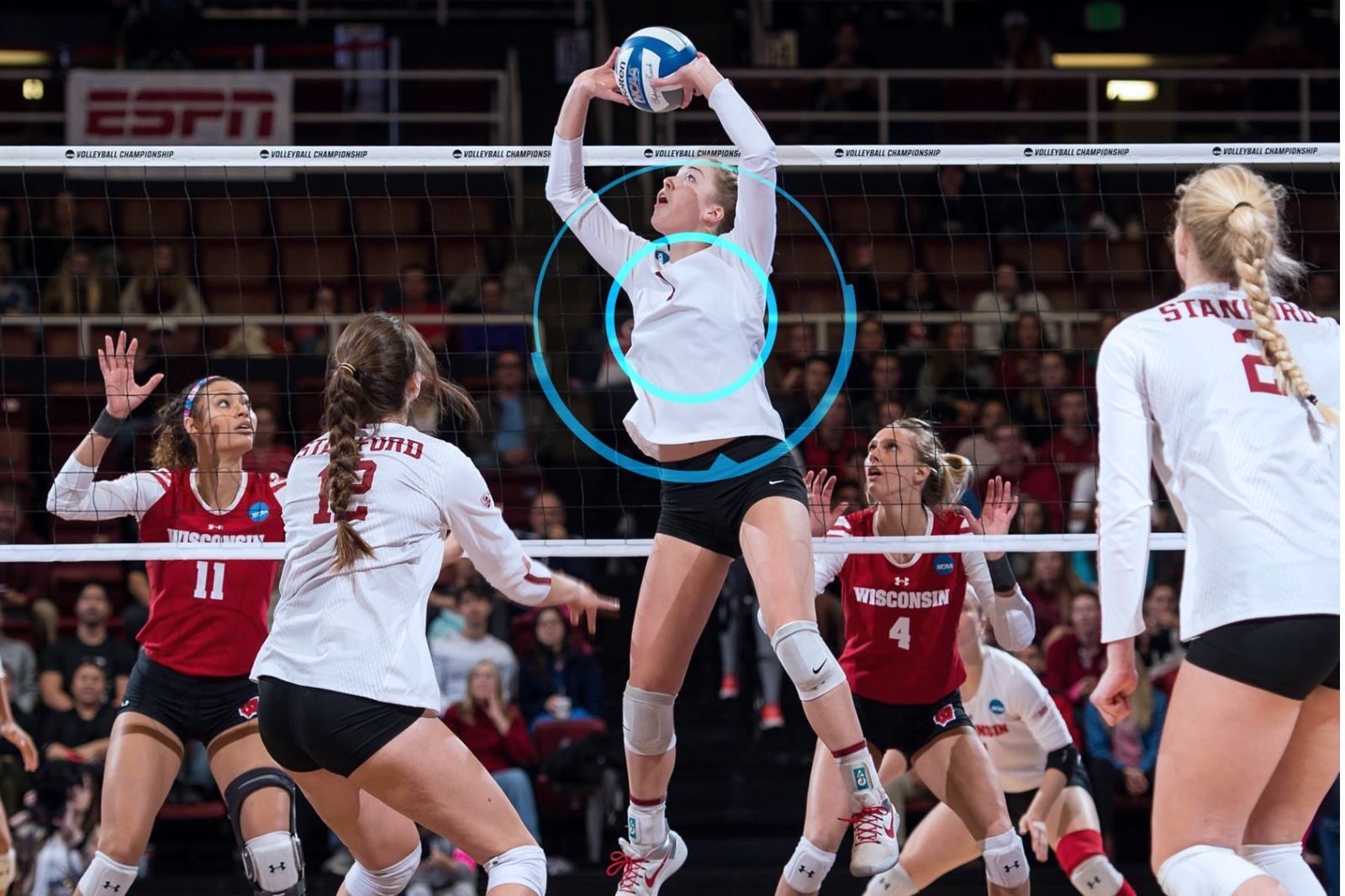
What Stanford's Volleyball Strength Coach Avoids Every Season to Stay on Top
Author: Dave Grendzynski
Tyler Friedrich is the sports performance coach for the women’s volleyball team at Stanford University. He’s been helping them improve their strength, speed, agility, endurance, and jump height for more than 8 years. He says to stay on top, there’s one thing coaches should avoid.
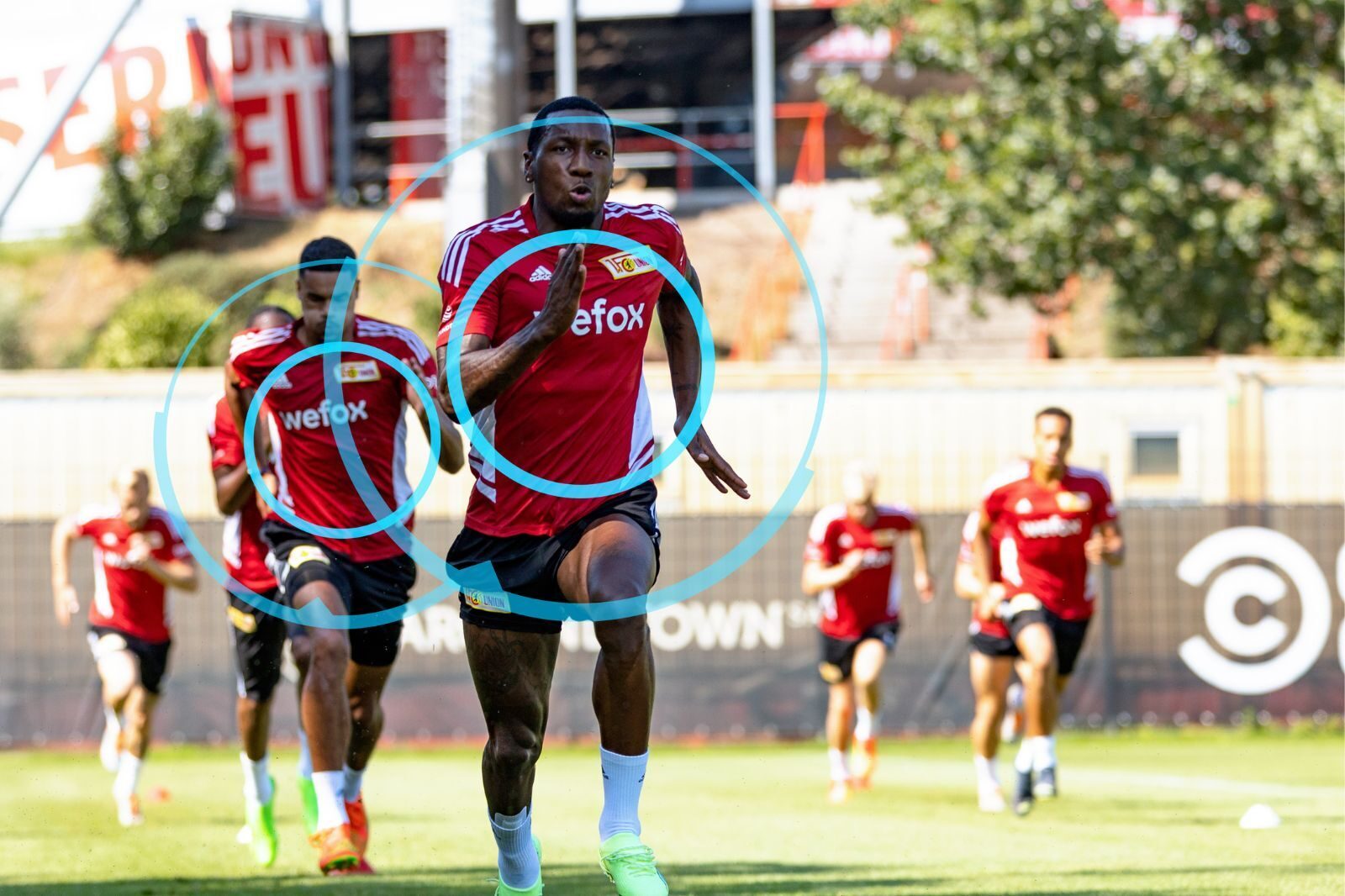
Why Integrating Football Match Data with Sports Performance Training is So Important
In football (or soccer, as it’s known in some parts of the world), coaches are constantly seeking innovative ways to enhance player performance. One powerful approach that’s gaining traction is the integration of match data with sports performance training metrics that are GPS-based.
What Strategies Can Coaches Use To Find Top-Tier Sports Data Analysts?
Author: Dave Grendzynski
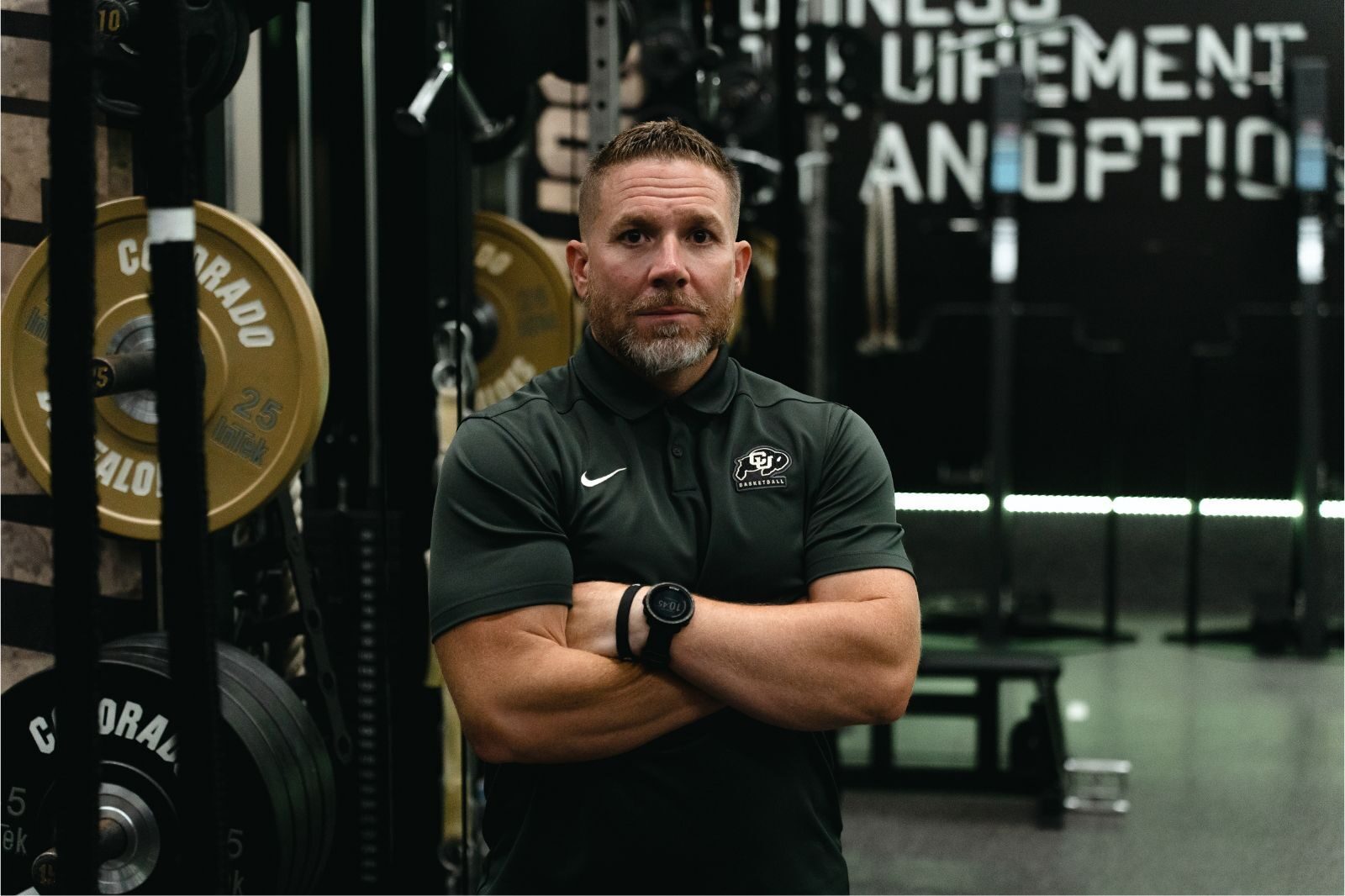
As the Director of Sports Performance at the University of Colorado, Steve Englehart realized he needed someone who could make sense of the data he was collecting. He explains how he found his analyst and how other coaches can find one too.

How Football Analytics Put a Walk-On on a Path to the NFL
Author: Dave Grendzynski
The insights we’re getting from our guests on The Xtra Edge podcast are even better than we imagined. Take University of Louisiana Coach Connor Neighbors, for instance. When he was asked, “How did you discover sports analytics?” The answer even shocked us.