How Coaches Use Advanced Basketball Analytics Leading into Game Day
Earlier this year, we sat down with the University of Colorado’s Steve Englehart. He is the Director of Sports Performance for Olympic Sports. We wanted to learn more about how he prepares for the Buffaloes men’s basketball season. His mindset about athlete performance and training methods has evolved with the help of advanced basketball analytics.
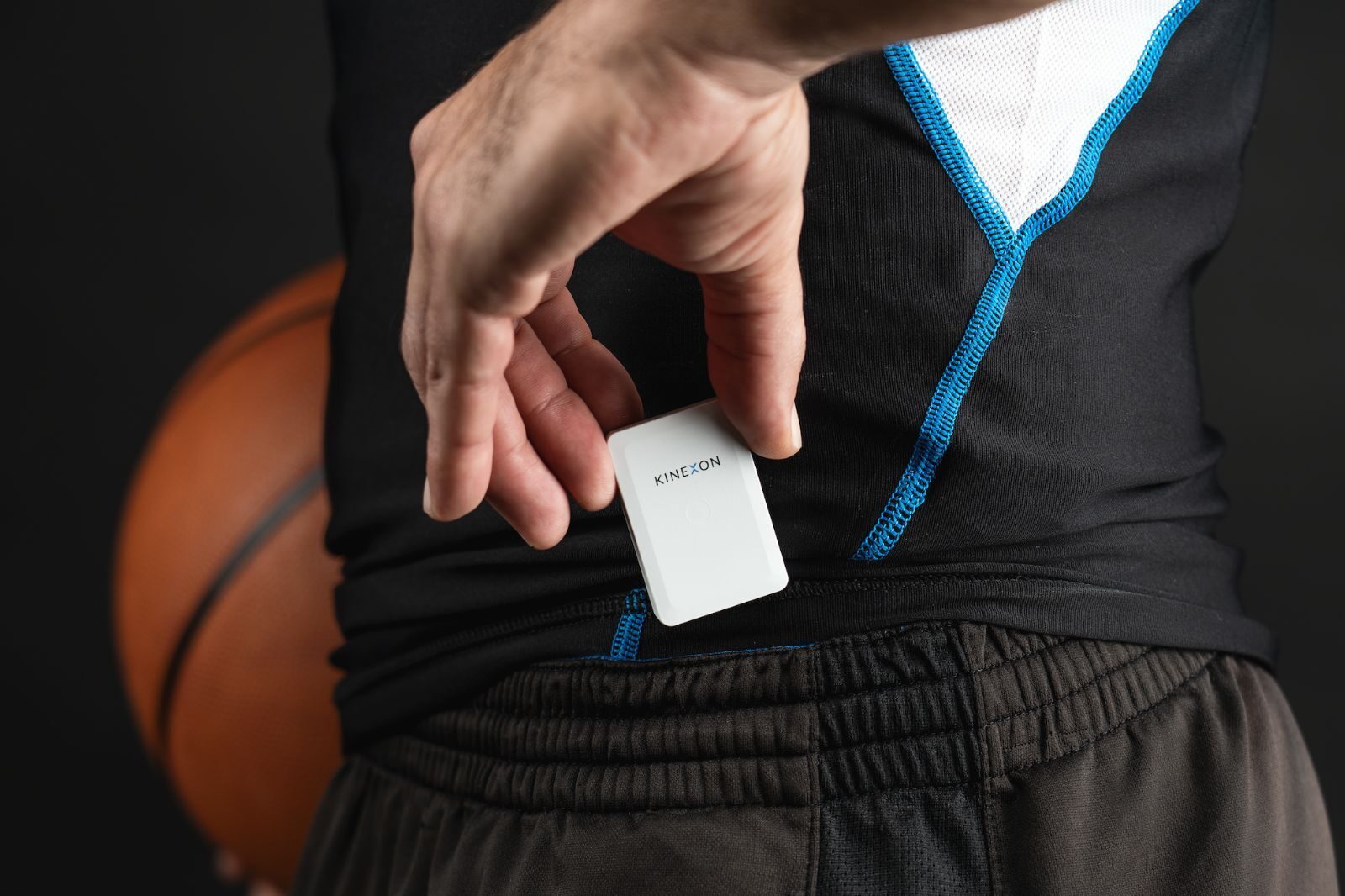
How Basketball Software Transforms Training
You have over 15 years of experience as a strength & conditioning coach. How has sports data analytics changed your perception of training methods for basketball players?
Englehart: Sports performance tracking technology has revolutionized the training and preparation methods of basketball players. It enables coaches and players to closely monitor their performance and identify areas that need improvement. This information helps them to personalize their training methods, which can lead to better results on the court. You have to know what you are collecting to help each athlete prepare for the stress of the game.
Tracking specific metrics is subjective for every coach. With the abundance of sports performance metrics and data insights at your fingertips, how do you decide which metrics bring the most value to you and your program?
Englehart: Tracking performance metrics is an essential aspect of coaching. However, every coach has their own set of subjective metrics that they consider valuable for their program. With the excess of data insights and performance metrics available, it can be challenging to determine which ones to focus on. Ultimately, it comes down to the coach’s goals and the team’s needs. The coach should identify the areas that need improvement and prioritize the metrics that can provide the most valuable insights.
It’s important to strike a balance between tracking too many metrics and not enough. Too many metrics can lead to information overload and make it challenging to gain meaningful insights, while too few can prevent the coach from identifying areas that need improvement. A good approach is to focus on a core set of metrics most relevant to the team’s goals and objectives.
Learn how to set up a report in a basketball shot tracking app. You can do it in four easy steps with our free guide.
Sports Performance Tracking for Game Day Preps
What does a typical practice week look like leading into a game?
Englehart: Our team schedule usually includes games on Thursdays and Saturdays, and our day-to-day practice routine leading up to a game follows a pattern of high and low intensity. On Mondays, we have the most intense practice, with practice loads averaging around 800‑1000. Tuesdays see a drop in intensity, with the accumulated load around 600 – 800. Wednesdays have shorter practices but are still intense for the time we spend on the court, with the accumulated load averaging around 400 – 600. On game days, which are typically on Thursdays, players with high minutes usually have an accumulated load of about 700 – 850. However, this can vary depending on the team we are playing and game stoppages. Fridays are dedicated to recovery, with practices around a 300 – 400 accumulated load, depending on our shoot around schedule.
Which PERFORM IMU metrics are you focused on during the regular season leading up to game day to position your players to peak at the right time?
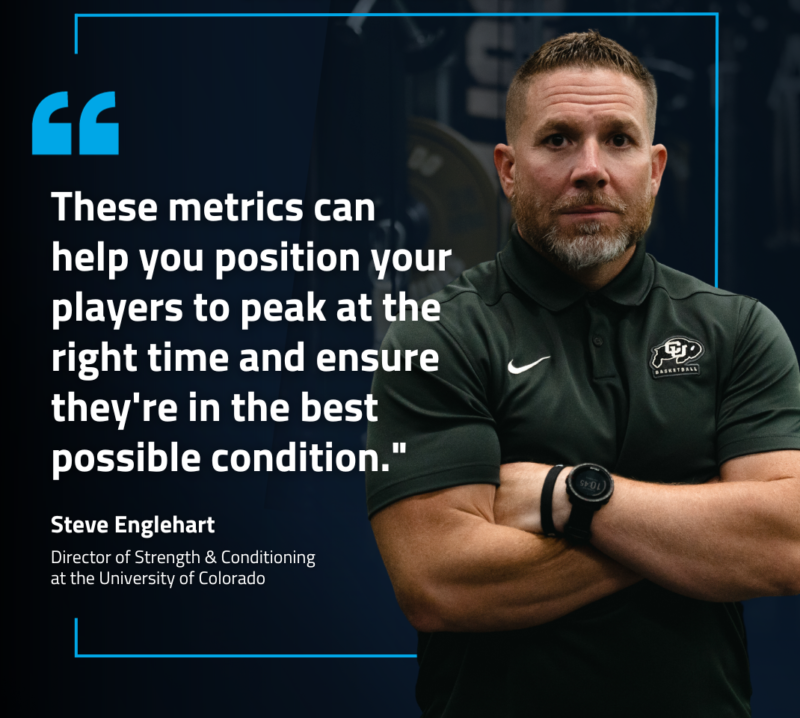
Englehart: As a coach, focusing on specific PERFORM IMU metrics during the regular season leading up to game day is important. These metrics can help you position your players to peak at the right time and ensure they’re in the best possible condition. The metrics you should focus on include accumulated overall load, accumulated very high load, accumulated high load, distance, and speed. By monitoring and optimizing these metrics, you can undulate practices to help players be ready to perform at their best during games. This approach can help ensure your team is prepared to compete at the highest level and achieve success.
Load Management with Sports Performance Tracking
How are you managing player loads with the data? How has it made a difference during the season?
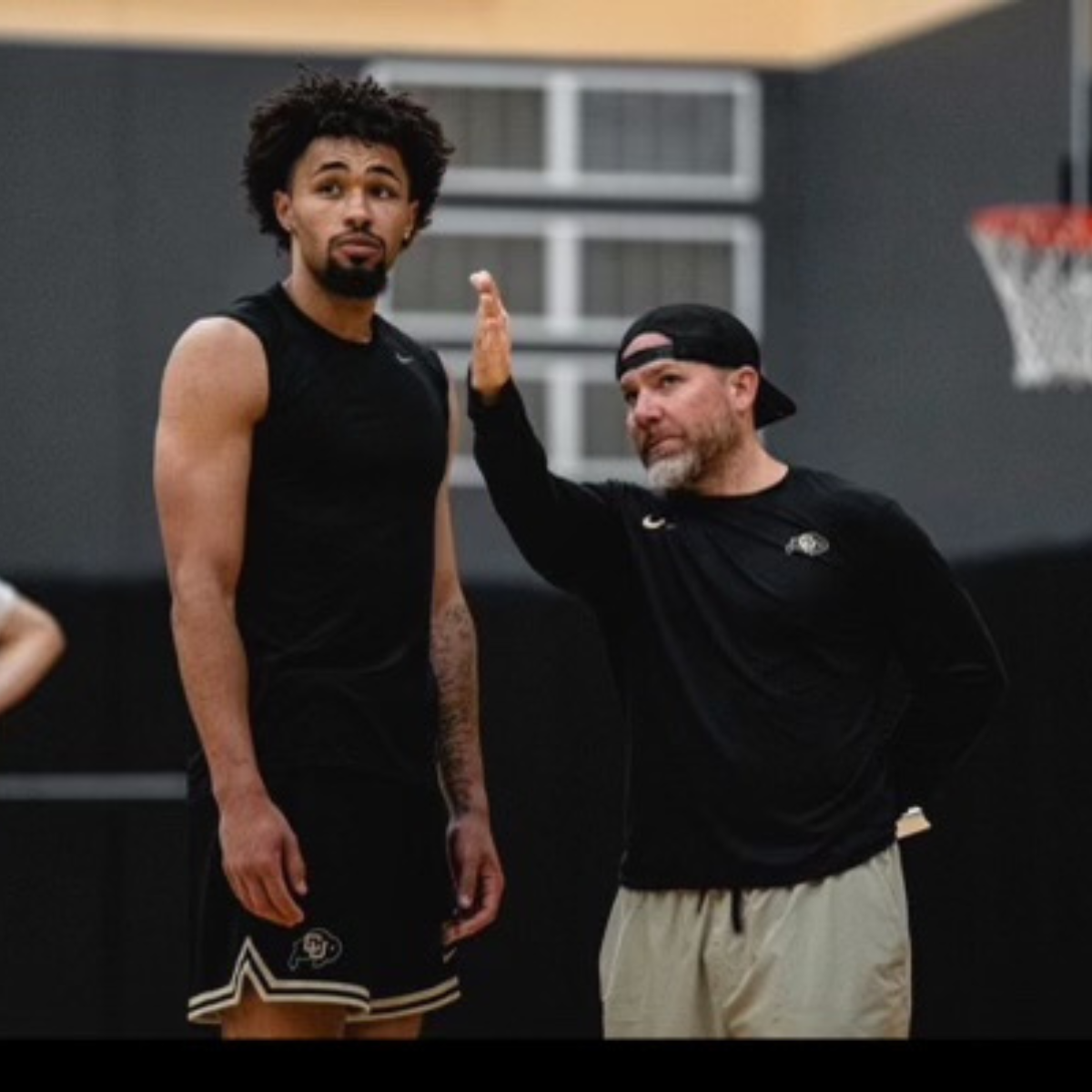
Englehart: Managing player loads through data analysis during practice and games allows the entire staff to work together and develop a comprehensive plan for each player’s recovery, nutrition, hydration, and strength training. This approach ensures that every athlete is well-prepared for the next game and performs at their best throughout the season. Our team includes myself, a strength and conditioning coach, athletic trainers like Rawely Klingsmith, sports scientists such as Tessa Mendoza and Adam Ringler, and sports dietitian Dana Bllinski. We collaborate to manage player loads and help our athletes achieve their full potential.
Are there drills you do before a game based solely on the data? Are there drills you won’t do based on the data?
Englehart: As a coach, I don’t rely solely on data drills before games. Instead, I prefer to have my players focus exclusively on the game itself on game day. The three or four days leading up to the game are the most important, as it’s crucial to prime and prepare our athletes to feel their best. I am confident they can perform well on the court if we do this successfully. While game day is undoubtedly the most important part of the week for the players, I think both the players and coaches would agree that the preparation leading up to the game is equally crucial.
Turning Advanced Basketball Analytics into Insights
Every training session can deliver different results from an athlete’s performance standpoint. Can you share an example of how you utilize the sports data to adjust during practice vs. game day? Have you seen a difference in performance levels?
Englehart: On game day, I don’t make any decisions during the game itself. Those decisions are made by the coaching staff and myself after the game when we evaluate recovery, hydration, food, and treatment. However, during practice, I do make adjustments as needed. For example, suppose a player’s performance during a Tuesday practice is significantly higher or lower than their usual average. In that case, I might adjust their lifting schedule, recovery protocol, and food intake accordingly. This ensures that the player can perform at their best and avoid injury. Yes, we have seen performance levels increase during adjustments using our force plate testing and the player’s speed during games.
Do you ever share insights with other basketball coaches (men’s and women’s) to gain a different perspective? If so, what have you learned from other coaches using performance tracking technology?
Englehart: I regularly communicate with athletic trainers, sports scientists, strength coaches, and medical directors in the NBA and college. I make it a point to pick everyone’s brain on how they use specific techniques and tools. I have great Discussions about how we use and connect our practices and how their team might differ from different accumulated loads of days out of a game. Having a trusted colleague to communicate with is valuable, as it helps me and the colleague stay on top of our game. Finally, the goal one day is to become one of the best users of KINEXON. To do that, I am incredibly grateful that the KINEXON community is so helpful in teaching and guiding me to become a fluent KINEXON user.
The Benefit KINEXON PERFORM IMU Provides
Are there any specific features of the PERFORM IMU solution that help make your job easier to communicate performance trends to your athletes and the coaching staff?
Englehart: As a strength and conditioning coach, the PERFORM IMU system has greatly benefited my job. It helps me educate the players on their practice habits and pinpoint areas that need improvement. Working alongside Coach Tad Boyle, one of the most reputable coaches in the country, has made my job easier as he emphasizes the importance of undulating practices. I rely on the PERFORM IMU system to evaluate each player’s accumulated load, determine the appropriate recovery protocol, and monitor their eating habits and hydration. Overall, I believe the system is an invaluable tool that helps me execute my job effectively.
What advice would you give other basketball coaches about using sports data analytics solutions as a guide to improve athlete performance and training methods?
Englehart: As a basketball coach, it’s essential to understand the purpose behind using (sports) data analytics solutions. If your objective is to facilitate a safe return to play or to educate players on their performance during games and practice, then data analytics can be incredibly useful. However, if you plan to use it to enforce minute restrictions on players, it may not be worth the investment, especially for college athletics. In my experience, I’ve found that many athletes don’t push themselves hard enough during practice, so it’s essential to tailor data analytics to your specific needs and goals.
Want to learn more about KINEXON’s PERFORM IMU solution? Schedule a demo to speak with our experts. Follow the link below to download the PERFORM IMU brochure for more information.
KINEXON PERFORM IMU provides the sports data and insights you’re looking for both men and women. Download our brochure to learn more.
More stories
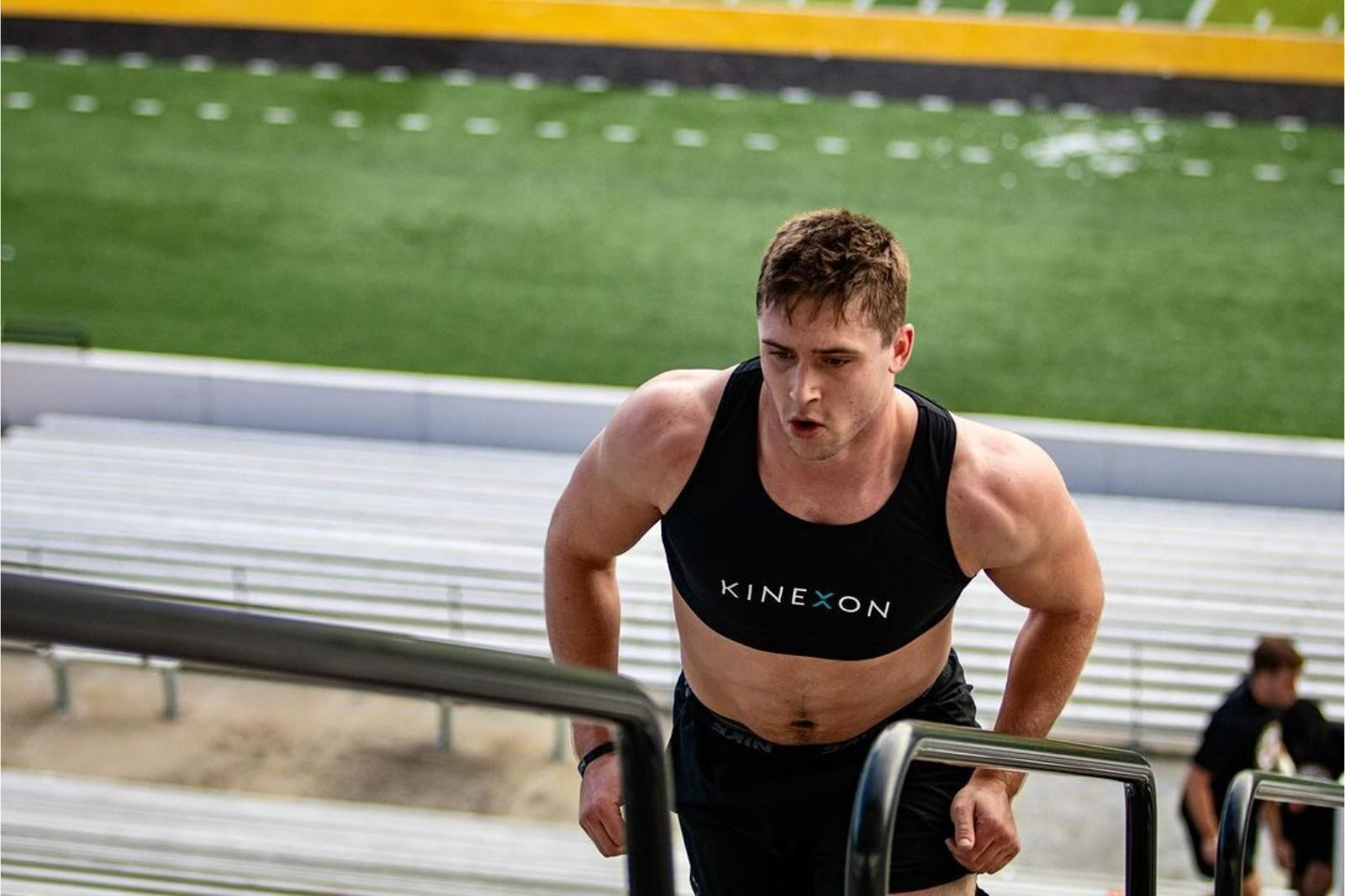
How Analytics Can Help Improve Collegiate Football Workouts
The offseason is a crucial time for college football players to improve their skills, strength, and conditioning. But how do you put together a training program that is as efficient as it is effective? Here’s a surefire way to start.
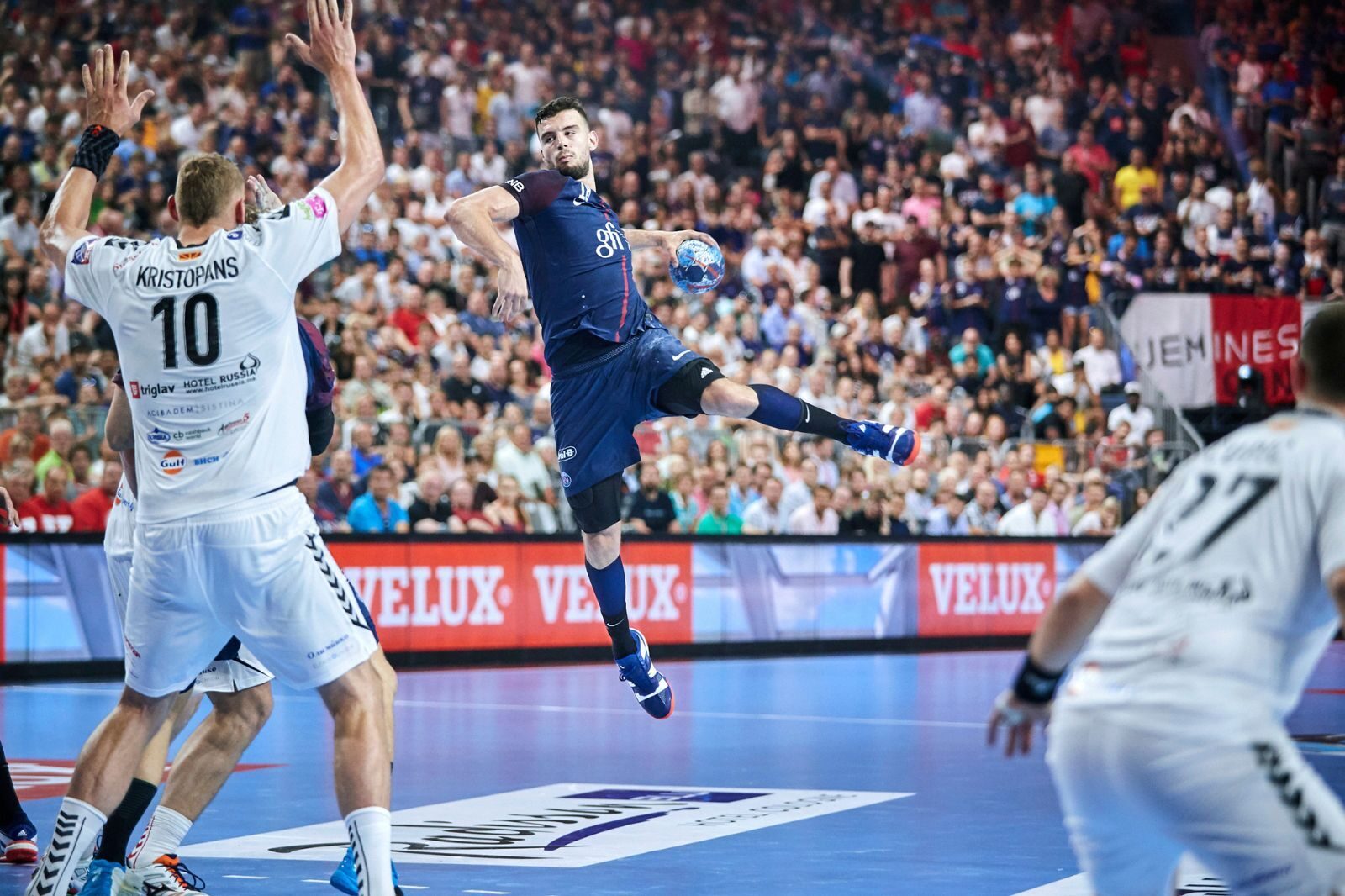
Researchers Uncover the Power of Plyometric Workouts for Elite Handball Players
A group of researchers set out to assess the impact Plyometric training might have on improving vertical jumps (and other performance metrics) of handball players at the elite or national level. Here’s what they learned.

Data-Driven Approach Fuels Coach’s Return-to-Play Protocol!
Injury recovery is a critical aspect of sports, and it’s where data can make a significant impact. As Rik van Waes, the Head Strength and Conditioning for the Heroes Den Bosch professional basketball team, puts it, “Returning to play after an injury is one of the major things that data can contribute to.”

REWE Final4 Breaks New Ground with Cutting-Edge Handball
Each year, thousands of handball fans converge at the REWE Final4, while millions tune in from home. Alongside the Handball Bundesliga, it doesn’t get much bigger than this. Except this year.

Study Reveals: Olympic-Based Strength Training Enhances Handball Skills!
Imagine the power and agility of an Olympic athlete combined with the strength and endurance of a handball player. That’s exactly what a recent study set out to explore. The goal? To unlock new levels of performance for women handball players.

What's Still Missing on The Journey to Equality for Women Athletes?
Researchers from the Bundesliga club, TSG 1899 Hoffenheim, are conducting a study on the influence of the menstrual cycle on the performance of women athletes. Dr. Sascha Härtel and Dr. Ludwig Ruf shared insights into the research, and talked about what is still needed.
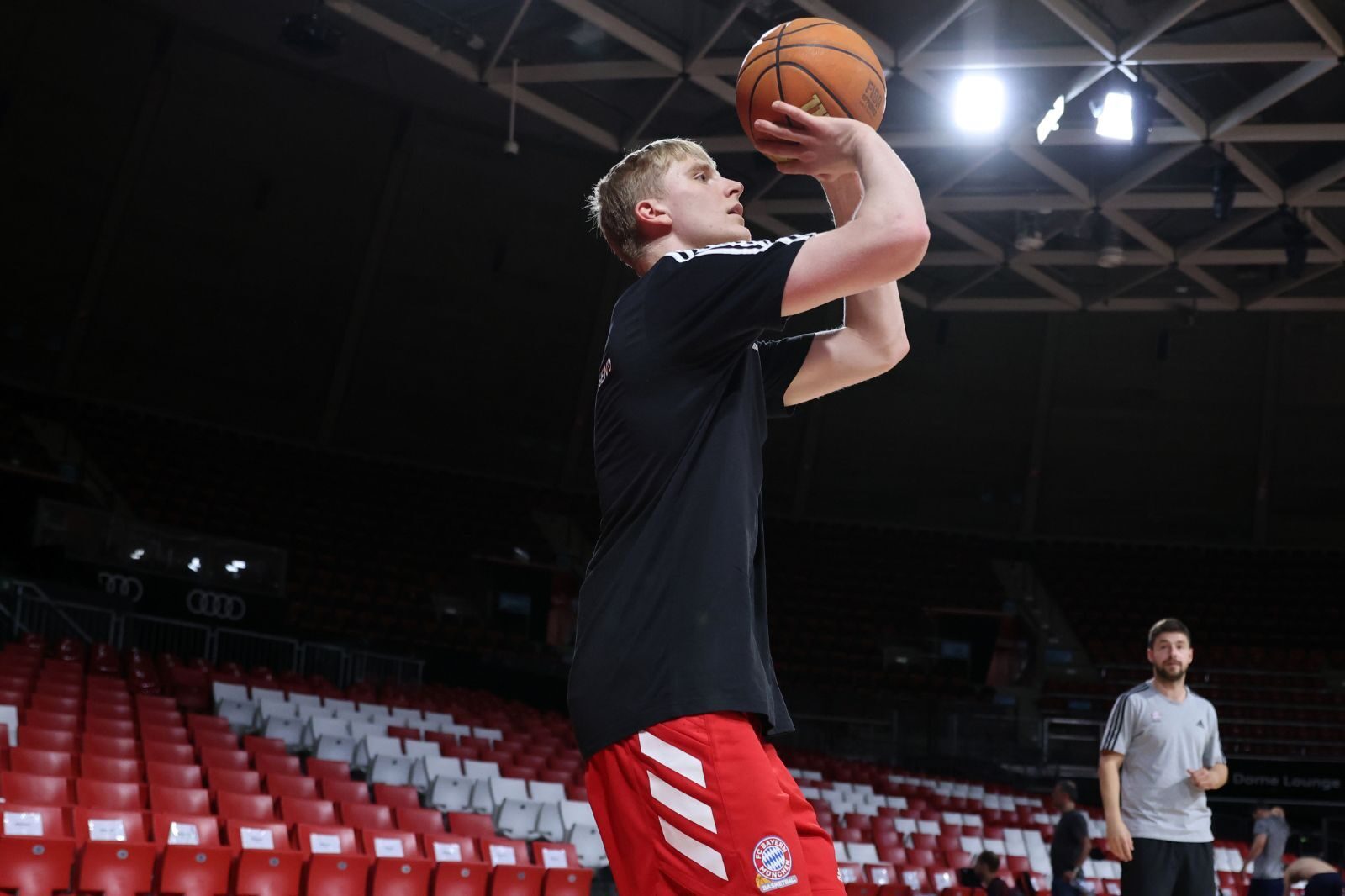
Study Reveals the Most Popular Shot EuroLeague Basketball Players Take
Sports analytics and data-driven forecasting play crucial roles in European basketball. Researchers are trying to identify essential performance metrics and effective coaching strategies. What they’re finding is that one type of shot is more popular than the rest.

Why Underloaded EuroLeague Basketball Players Still Need Data
As Head of Performance at Fenerbahce Beko Istanbul, Kostas Chatzichristos knows basketball analytics. He explains why coaches need to collect data on all players — even the ones who aren’t getting minutes.
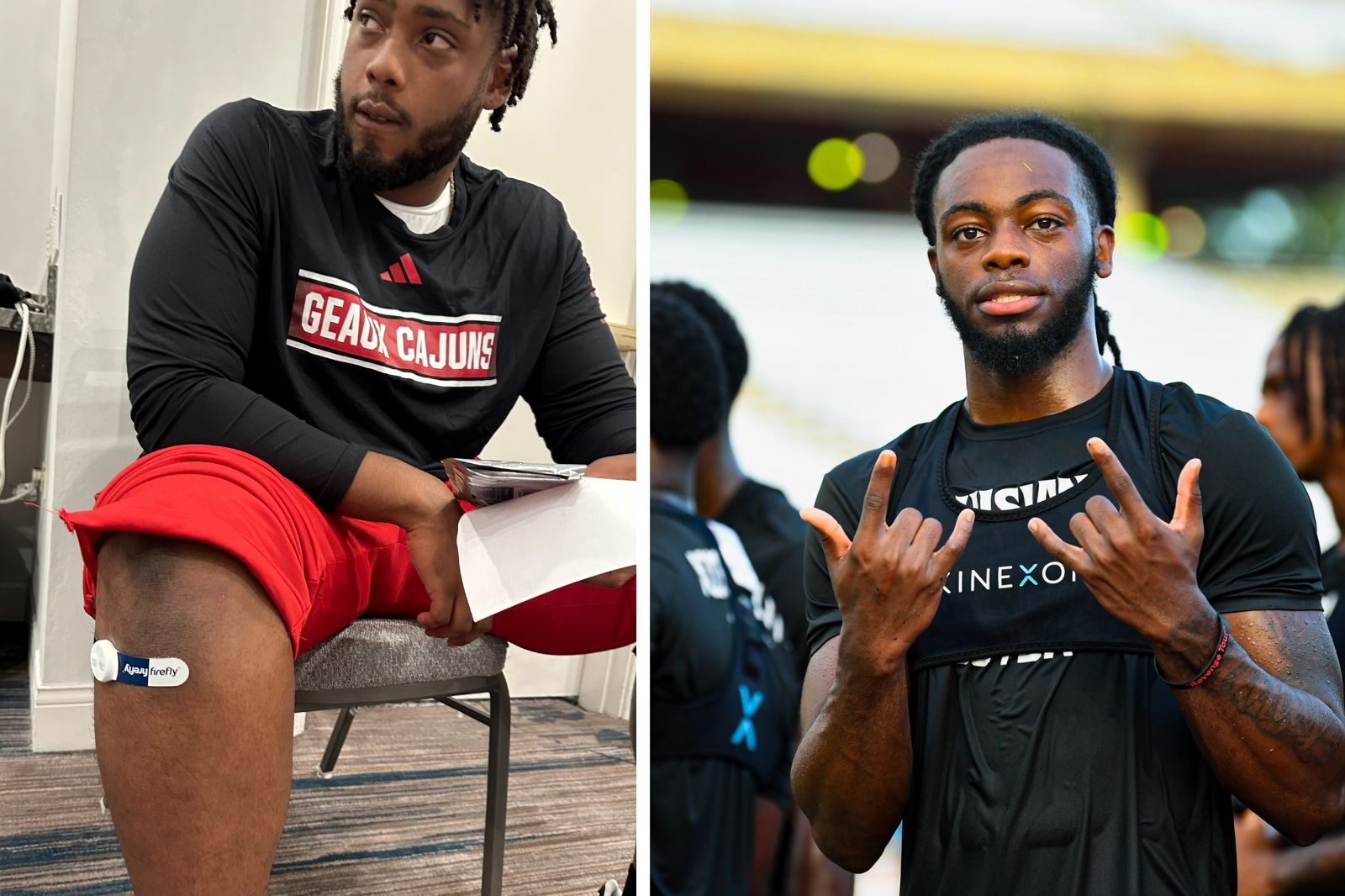
What a UL Experiment Revealed About Merging Live GPS Data and Recovery Tech
In football, recovery is as important as training. Recently, the sports medicine staff from the University of Louisiana conducted an experiment to gauge the impact Firefly Recovery Devices may have on a player’s recovery with the help of live data from KINEXON Sports.
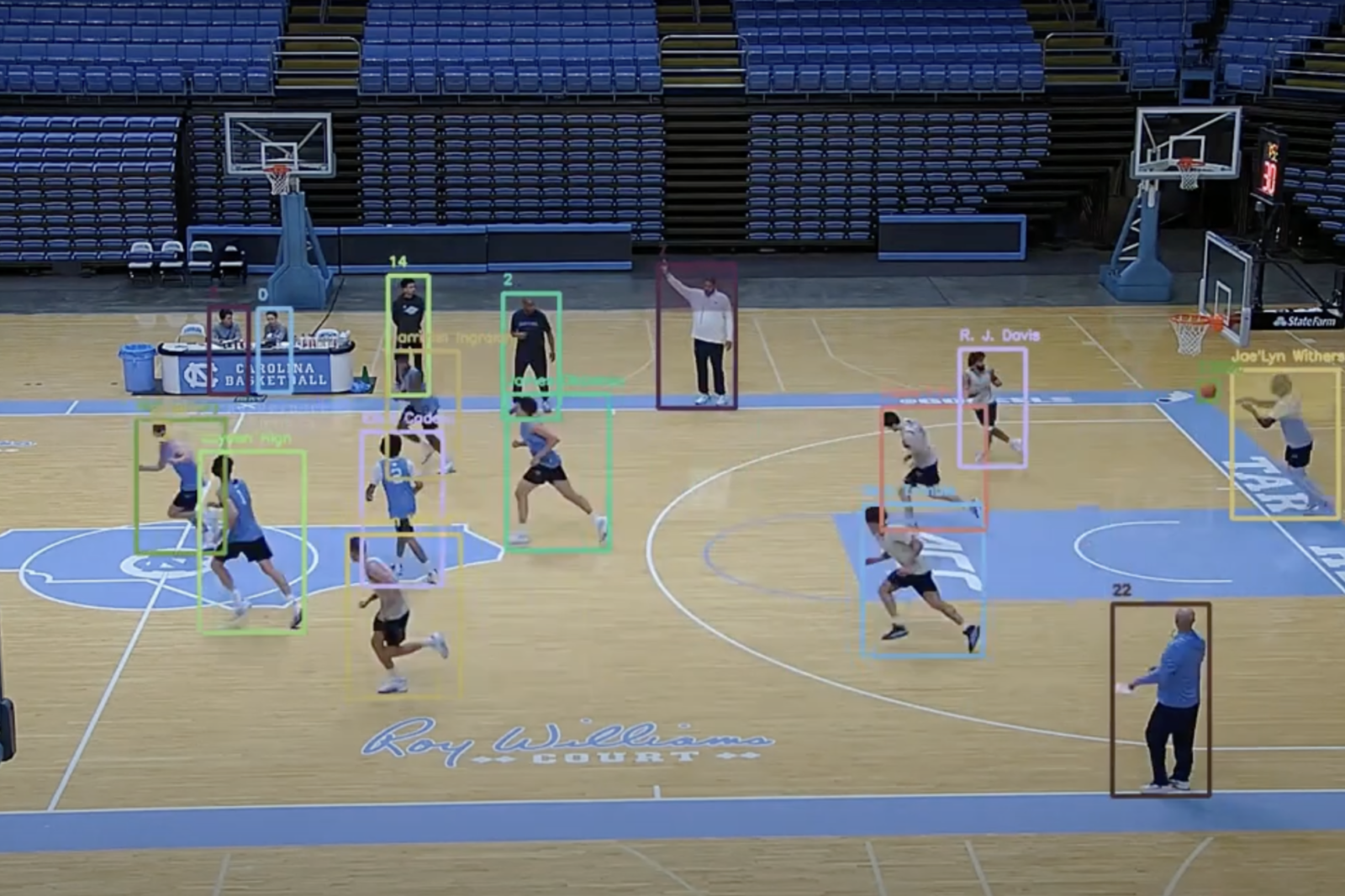
How Basketball Coaches Can Use Sports Video Analysis Software
Basketball coaches and players strive to understand the intricacies of each shot. But using a video analysis software, that doubles as basketball shot tracking app, promises to be the Holy Grail for those seeking comprehensive insights.
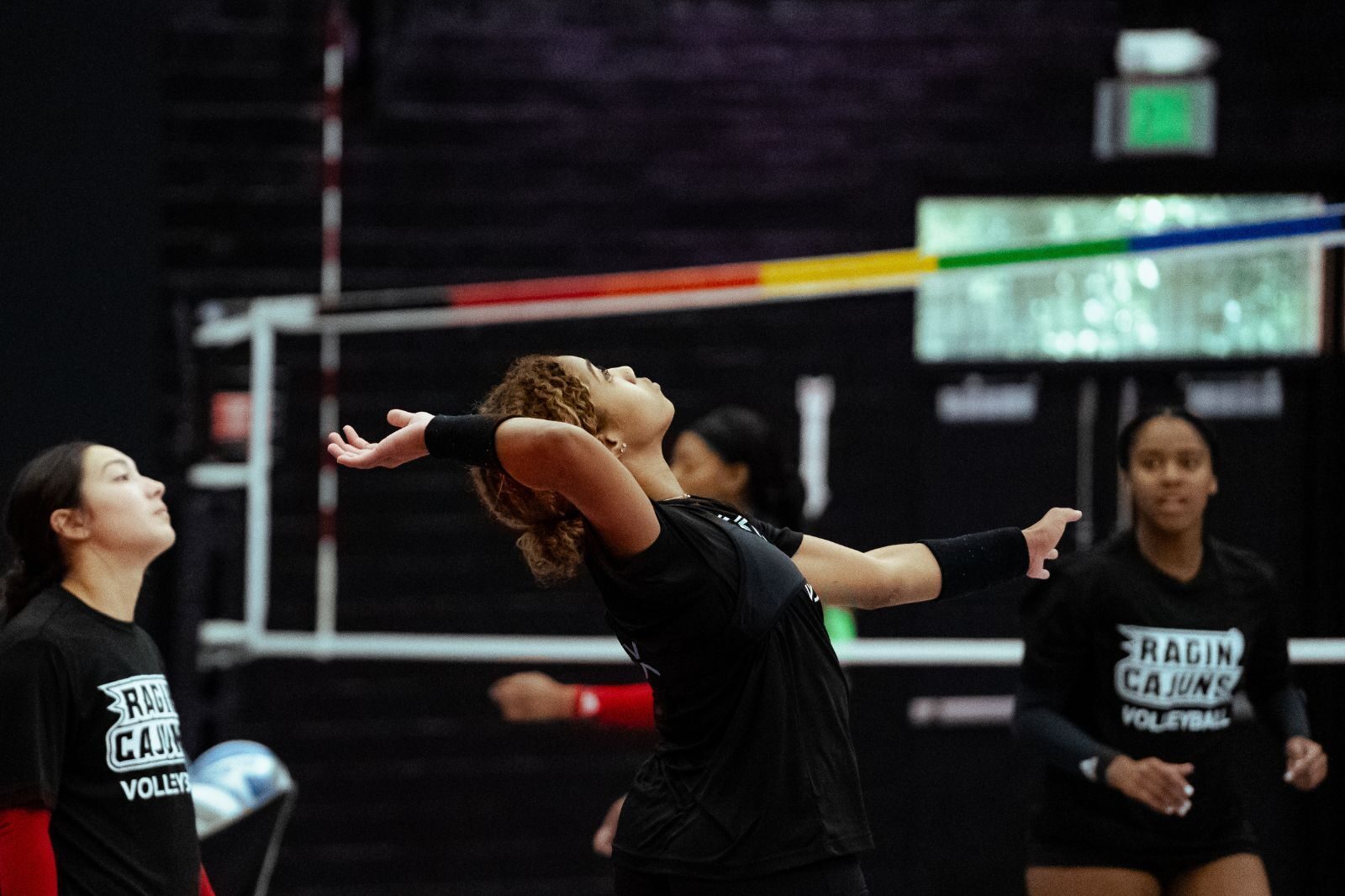
What Are The Volleyball Metrics That Matter Most to Coaches?
Volleyball positions require speed, agility, power, and precision. But how do you know if your team is performing at its best? How do you measure your progress and identify your strengths and weaknesses? This is where player metrics and analytics come in.
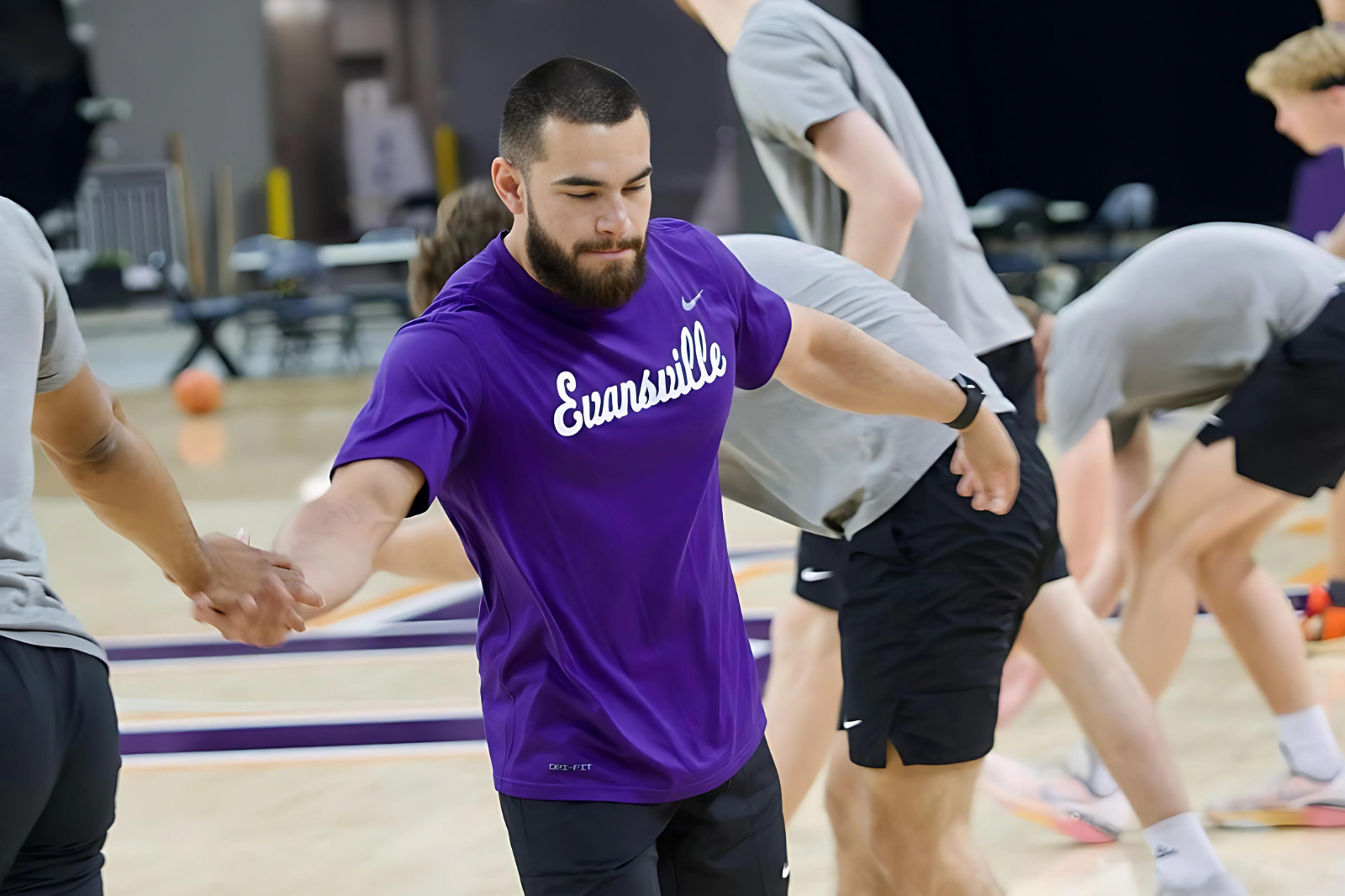
Why Evansville University’s Sports Performance Coach Dislikes Backpedaling
How can players optimize their performance and avoid wasting steps on the court? That’s the question Jeremy Portillo, the sports performance coach for Evansville University men’s basketball team, was asked on a recent episode of “The Extra Edge” podcast. He gave a jaw-dropping answer.

Athletic Performance: Why is it Important to Understand and Track Acceleration?
Athletic ability is often associated with an athlete’s explosive speed and acceleration. That’s why acceleration is often called one of the cornerstones of excellence in athletic performance. But did you know that it can be improved with the right tools and training methods?

How UAB's Strength Coach Sold Football Analytics to His Head Coach
Author: Dave Grendzynski
Lyle Henley, the Director of Sport Performance for the University of Alabama Birmingham. football team. He’s a strong advocate for sports data. He shares his story of how he sold his old school head coach, Trent Dilfer, on the idea of using data.

What Kind of Live Data Can an LPS System Provide Fans During an American Football Game?
Coaches, players, media, and fans crave real-time insights to enhance performance, strategy, and engagement in American Football. Now, LPS technology is providing just that. Giving everyone in the stands, and watching at home, a view of the game they have never seen before.