How To Introduce Cycle-Oriented Performance Training in Women’s Sports
When it comes to achieving peak performance in sports, the one-size-fits-all approach falls short. With the rise of individualized training regimens, a new area has emerged in women’s sports: performance and team training oriented on players’ menstrual cycle and well-being.
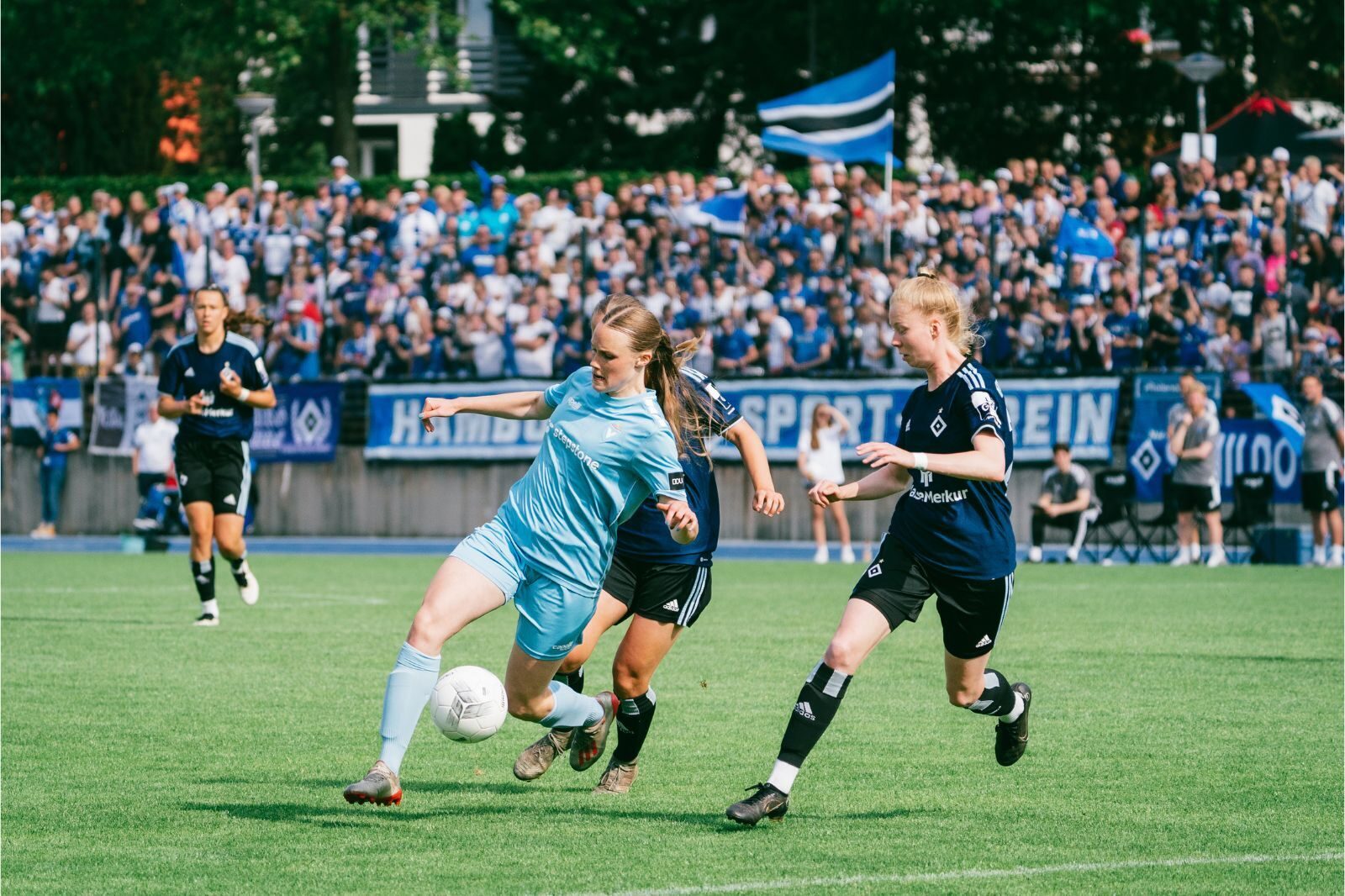
The Relationship Between Athletic Performance and the Menstrual Cycle
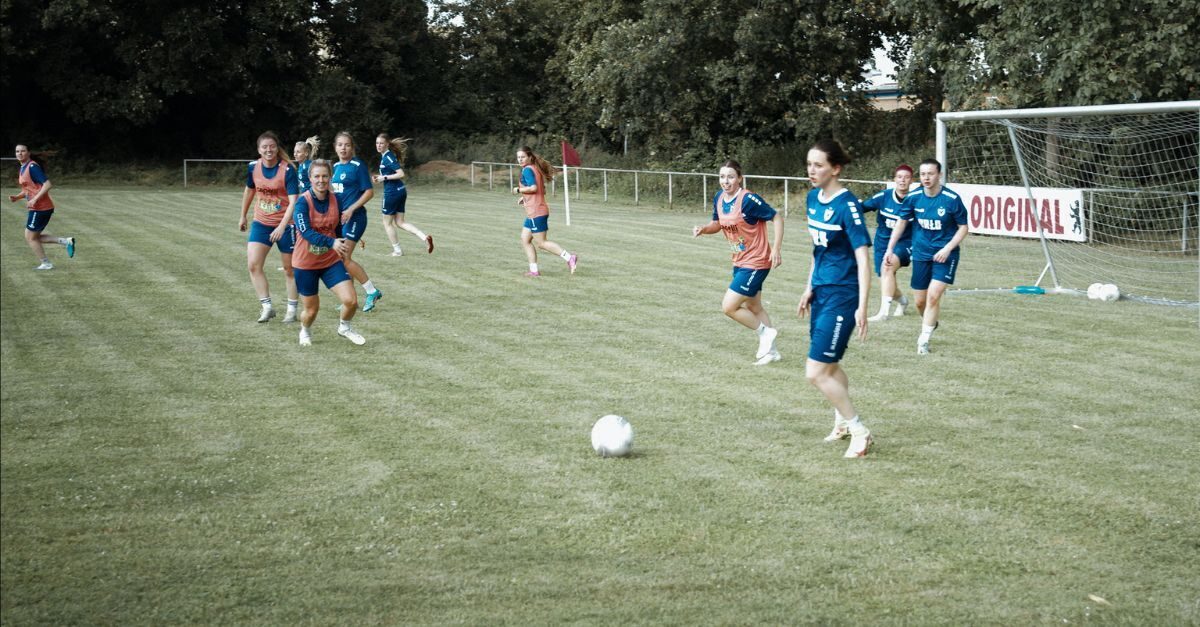
The menstrual cycle isn’t just a biological process; it’s a symphony of hormonal fluctuations that influence an athlete’s strength, endurance, and mood.
Studies have shown variations in performance capabilities across different menstrual cycle phases. However, every woman and athlete is individual, which makes it even harder to include such information in team training environments.
Benefits of Tracking the Menstrual Cycle

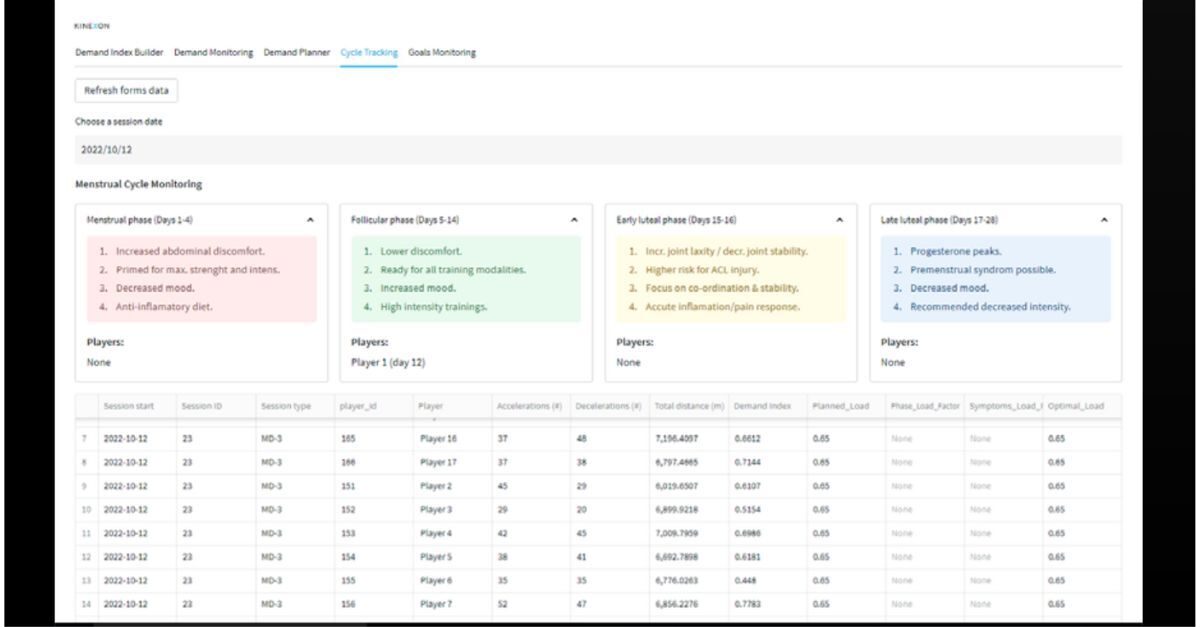
Modern sports tech isn’’t just about tracking steps or heart rates. Women specific dashboards provide insights into menstrual cycles, facilitating better understanding of personal energy patterns, mood variations, and physical capabilities and position-specific requirements. By mapping out the menstrual cycle, athletes coaches can:
- Predict Performance: Knowing when one might be at their peak or when they might need extra recovery aids in training optimization.
- Injury Prevention: Certain phases of the menstrual cycle, especially the pre-menstrual phase, can be associated with increased injury risk. Tracking can assist in mitigating these risks.
- Enhanced Communication: Sharing cycle data with coaches or trainers can enhance the training process, ensuring everyone is on the same page.
Discover how KINEXON collaborates with TSG Hoffenheim to set benchmarks in women’s football.
Intellectual and Athletic Performance Research
Interestingly, the menstrual cycle doesn’t just impact physical prowess. Some studies indicate varying cognitive abilities during different cycle phases.
While these variations are subtle, they can influence strategies employed during games or matches. Teams like Florida State Women’s Basketball are leveraging this knowledge, combined with advanced analytics, to bring out the best in their athletes at every cycle stage.
What is Menstrual Dysfunction?
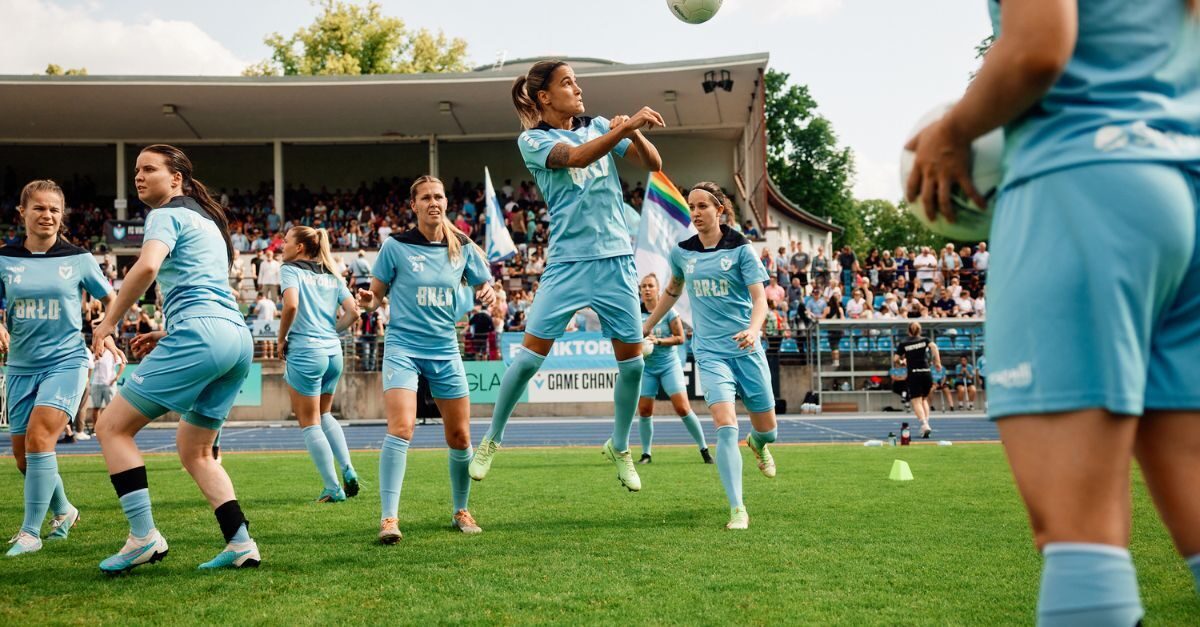
A darker side of intense sports participation for some women athletes is menstrual dysfunction, like amenorrhea, where periods become irregular or cease. Beyond the immediate implications for fertility, such dysfunctions can impact bone density, leading to increased injury risks.
But by using a dashboard, women athletes are no longer in the dark. Platforms that focus on empowering women with daily surveys allow for tracking subtle body changes, ensuring timely interventions, and may provide a hint. Likewise, the importance of establishing meaningful thresholds for women athletes cannot be understated, as it provides a roadmap to health and peak performance.
KINEXON’s Women’s Initiative
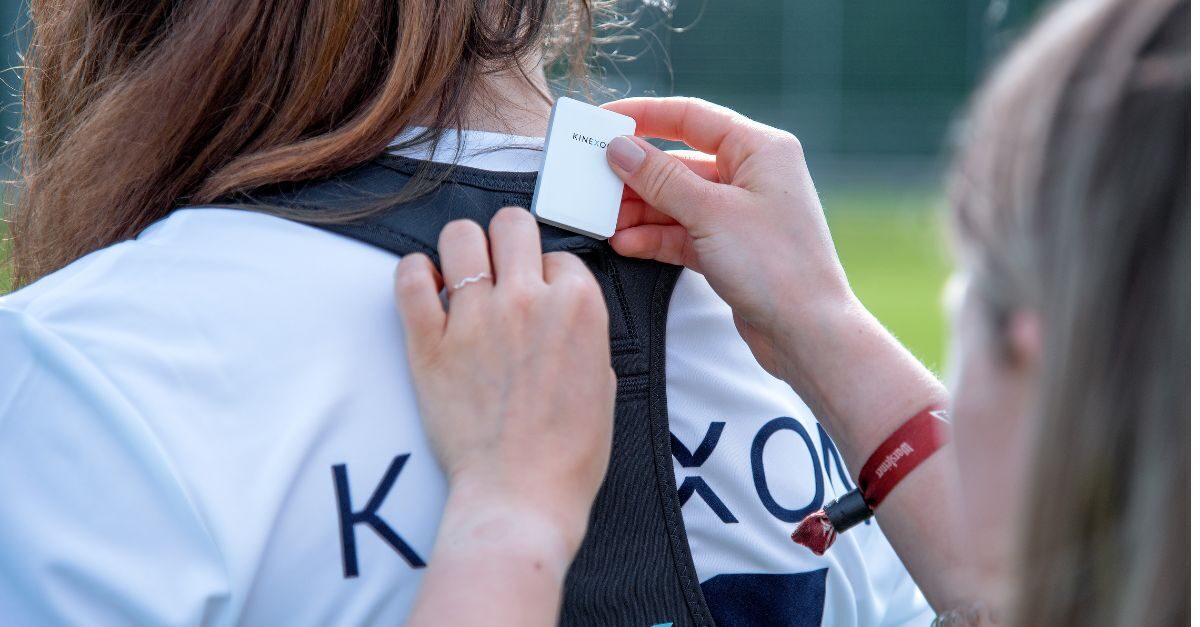
Menstrual-cycle and well-being oriented performance training in women’s sports is not a trend; it’s the future. By aligning training with the body’s natural rhythms and tapping into advanced sports tech, women athletes can optimize their performance and wellbeing.
As sports analytics evolve, expect to see more teams and individual athletes charting their paths to success with menstrual cycle insights at the helm.
KINEXON is committed to developing a new standard. We are pushing boundaries in professional and collegiate women’s sports using advanced sports technology tailored to the unique needs of women athletes.
Our dashboards for demand planning are now accessible to all women’s teams, enabling alignment of training with menstrual cycles. You can get started in just five easy steps by clicking the link below.
More stories

How Basketball Performance Data Connects the Court and Weight Room
What happens on the court shapes what athletes need in the weight room. Purdue’s Jason Kabo shares how he cross-references KINEXON performance data with sprint testing and other measures to adjust training, manage individual workloads, and guide daily decisions.

From Jump Count to a More Complete View of Volleyball Load
Jump count is one of the most familiar metrics in volleyball, but it only captures part of an athlete’s physical performance. Looking at movement intensity, like acceleration or changes of direction, and position-specific demands can provide the context needed for a more complete view of the overall load.

Limited Camps, High Demands: Preparing for International Handball Tournaments
The Women’s EHF EURO and Men’s World Championship present a similar challenge for performance staff: preparing players for an intense tournament with limited time together. How can national teams use the camps leading into competition to better understand and manage individual load?

How Drill Intensity Shapes Weekly Basketball Load Targets
Basketball coaches need more than a list of practice drills. Historical performance data and drill intensity help coaches refine practice plans, manage individual workloads and adjust the next session based on what athletes actually completed.

Sustainability: Can the Athlete Maintain Intensity Throughout the Duration of the Game?
Matching game workloads are only part of athlete preparation. Can players sustain high-intensity efforts when fatigue builds? Read more from Dayannara Munoz, KINEXON Sports Customer Success Manager, about how performance data helps coaches assess changes in output, compare practice with competition, and prepare athletes to meet the demands of the entire game.

How Individualized Football Performance Data Improves Load Management
Football performance data helps coaches move beyond team averages to individualize load management. By combining GPS metrics with each athlete’s role, historical data, and readiness, coaches can identify the right exposure, reduce excessive stress, guide recovery, and better prepare every player for game day.

Beyond the National Team Window: How the DHB Connects Performance Data
National teams spend only a fraction of the season with their athletes. See how the German Handball Federation connects club and national-team data to maintain performance context across the season and support individual decisions when players move between environments.

One Athlete, Two Jerseys: Connecting Athlete Monitoring Between Club and Country
When athletes move between club and country, their performance history moves with them. The 2026 FIBA Women’s Basketball World Cup highlights why monitoring continuity matters when athletes arrive with different workloads, competition exposure and preparation behind them.

The Role of Connected Ball Technology in Modern Officiating
From ghost goals to offsides, officiating technology has steadily raised fairness in football. But the one element at the center of every decision, the ball, has until now been silent. Connected Ball Technology (CBT) changes that, giving football’s most iconic object its own voice.

COMPETE Vision on a New Level: Refined for Faster Insights
The latest COMPETE Vision update streamlines the entire performance analysis workflow, from camera setup to automated reporting. Faster uploads, improved player identification, automated court calibration, and smarter player assignment help coaches spend less time managing technology and more time turning objective data into coaching decisions.

How KINEXON Game Insights Gives Basketball Coaches the Tactical Advantage
Basketball coaches already use in-game tracking data to evaluate their athlete’s physical exposure. As more teams adopt performance tracking methodologies, that same underlying data source can extend beyond physical optimization and be utilized to compare rosters, assess opponents, and understand the demands behind each matchup.

From Data to Decisions: Six Key Takeaways from Elite Handball Performance Practitioners
Elite handball is one of the most physically demanding team sports in the world. Within sixty minutes, players sprint, decelerate, jump, throw, change direction, absorb contact, and repeat those actions under fatigue, all while making split-second tactical decisions.

From Potential to Performance: How AI, Ball & Player Tracking Are Transforming Talent Identification in Youth Football
How can AI, player and ball tracking, and expert scouting work together to identify football talent? Discover how Skillers Academy, SAP, and KINEXON Sports combine connected technologies and human expertise to create a more objective and accessible approach to youth talent identification.

How Xavier Women’s Basketball Optimizes Daily Load Targets for Low- and High-Minute Players
Optimizing daily workloads goes beyond keeping players fresh. For Xavier’s Gil Weinstein, Head Strength and Conditioning Coach, daily (and weekly) performance reports helped connect practice loads to game demands, guide workload adjustments, and support 99% player availability throughout the 2025 – 26 season.

Inside Columbia Women’s Basketball’s Approach to In-Season Load Management
Managing in-season workloads takes more than tracking minutes. Performance data helps basketball coaches individualize weekly targets, adjust practice plans, and keep high-minute players, role players, and scout team athletes prepared to perform.