How Does a Football (Soccer) Vest Help Coaches Collect Data and Analytics?
One innovation that is transforming soccer is the use of a football vest equipped with a player tracking device that uses cutting-edge technology to collect data and analytics. They’re helping coaches and athletic trainers to make better decisions about their players and game plans.
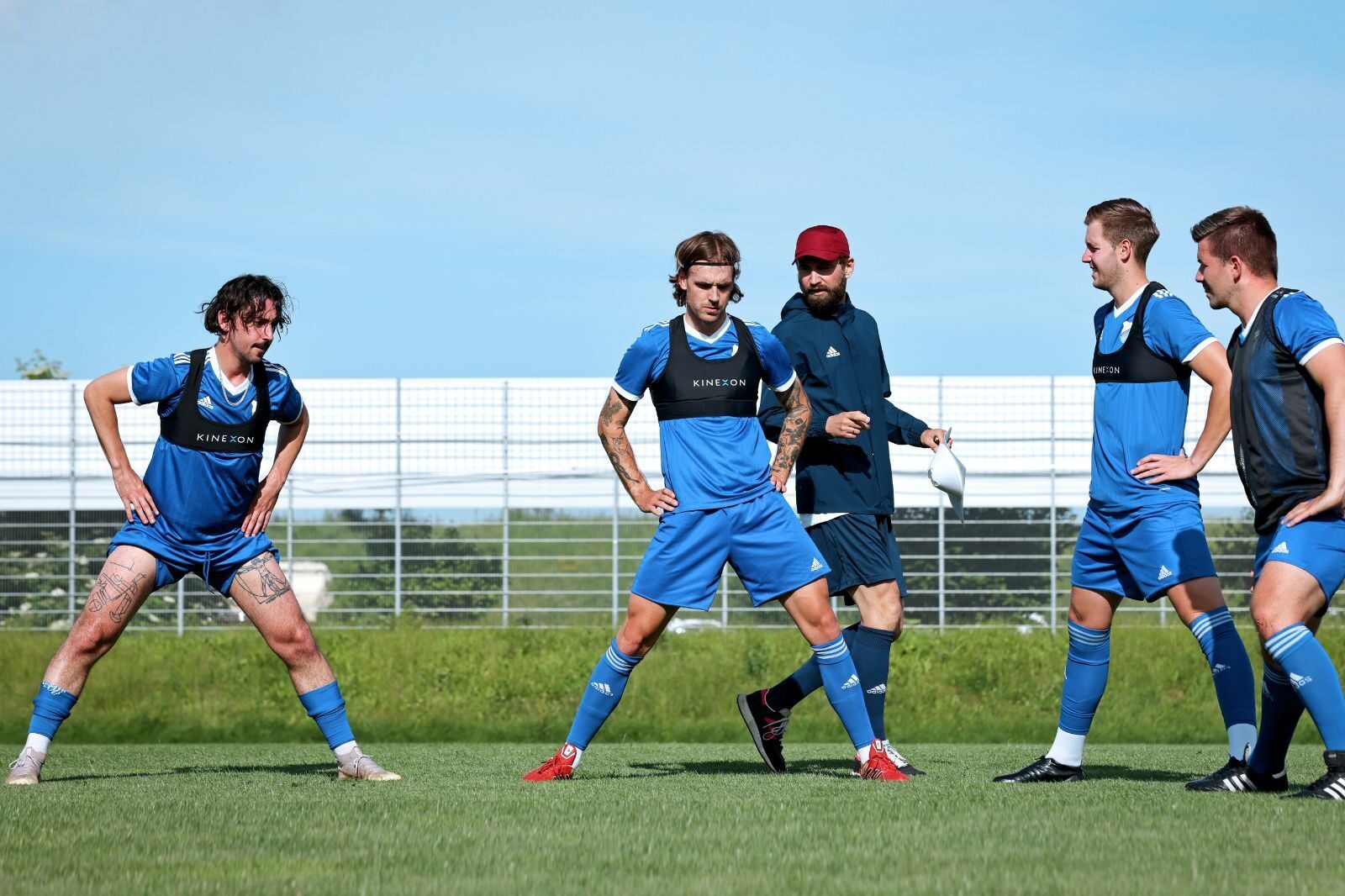
These vests are not your ordinary training gear. An image of Arizona Cardinals quarterback Kyler Murray wearing one recently went viral when many people thought he was wearing a sports bra. Although sports bras can be used in the same way, he was wearing a soccer vest. Yes, football players wear them, too.
And when a player tracker (aka wearable) is added to the built-in pocket, soccer (or football) vests become sophisticated sports analytics tools that enable coaches, players, and athletic trainers to gain invaluable insights into performance and strategy.
In this blog, we’ll delve into how football (soccer) vests are changing the game, offering a competitive edge, and revolutionizing the way sports analytics are collected.
What is a Soccer Vest?
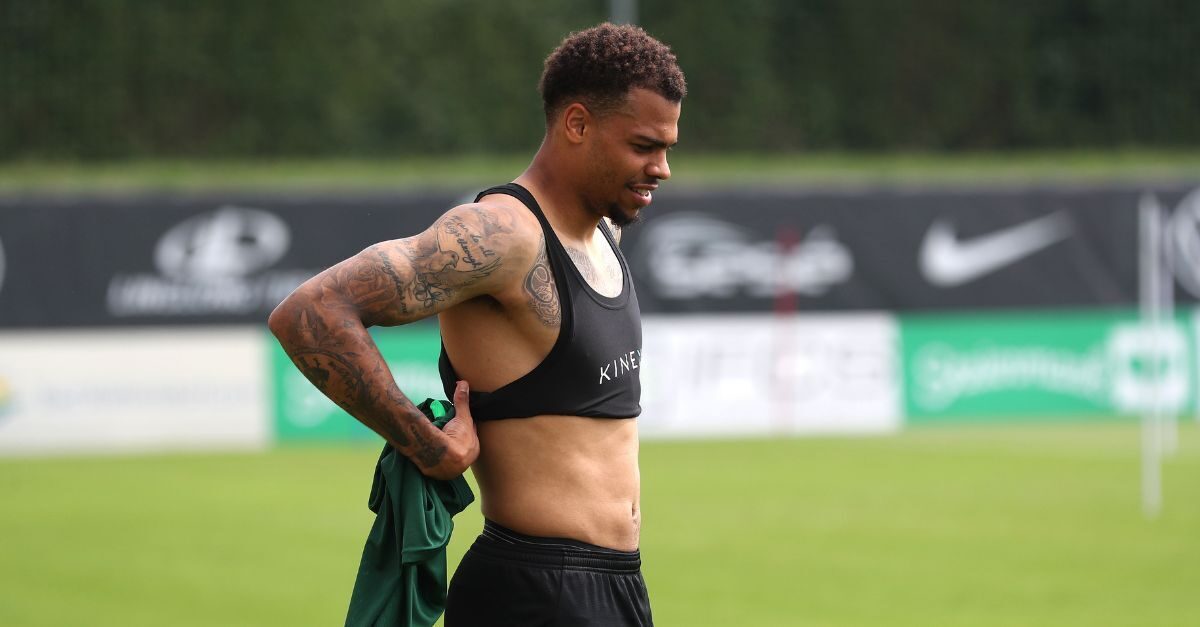
Unlike football (soccer) pinnies, which are used in practice to simply distinguish between players on opposite teams, football (soccer) vests are typically the same color and come with a pocket that holds a player tracking device, which collects sports data.
The vest is lightweight and hardly noticeable to the players. It can be worn over or under a uniform or practice jersey. The devices keep tabs on player movements with exceptional precision and record crucial data points, including:
- Distance covered
- Speed
- Acceleration and deceleration
By using advanced algorithms, coaches and athletic trainers can analyze the data to assess players’ physical performance, load management, and tailor sports performance training programs accordingly.
The vests can be equipped with GPS or LPS player tracking devices. This data-driven approach allows teams to optimize their training routines and cut injury risk.
We recently recorded a demonstration that shows how football (soccer) vests are used to help coaches, athletic trainers, and players improve their performance in multiple sports.
How Soccer Training Vests Helps Coaches

Using a player tracking device within a football (soccer) training vests helps coaches in multiple ways, including:
- Game planning
- Analyzing player biomechanics
- Real-time feedback
- Player comparisons
To get a better understanding of what this means, let’s take a look at each benefit.
1. Putting Together Game Plans: Beyond physical performance, football (soccer) vests are instrumental in collecting information that coaches can use as part of a game plan. How? The vests can capture players’ positioning on the field, both offensively and defensively.
2. Analyzing Player Biomechanics: Understanding player biomechanics is vital for optimizing performance and preventing injuries. The player tracking devices in a soccer training vest provides biomechanical data, including:
- Acceleration Load
- Exertions
- Mechanical Load
- Metabolic Power
Acceleration load Exertions Mechanical load/intensity Metabolic power
By analyzing this data, coaches and medical staff can identify potential injury risks and work on personalized corrective exercises. Moreover, fine-tuning players’ biomechanics can lead to improved efficiency and agility on the field.
3. Real-Time Feedback: Football (soccer) vests with live tracking capabilities provide real-time feedback during training sessions and matches. Coaches can access immediate performance metrics on a tablet or smartphone, enabling them to make data-driven decisions on substitutions, tactics, and overall game strategy.
Players can also benefit from instant feedback, helping them make adjustments to their performance during the game.
4. Benchmarking and Player Comparison: Football (soccer) vests enable benchmarking player performance against both individual and team metrics. Coaches can set performance goals based on historical data and evaluate players’ progress over time. Additionally, these vests allow for objective player comparison, which is essential for talent identification, recruitment, and assessing players’ compatibility with a team’s style of play.
The Football (Soccer) Vest is a Must
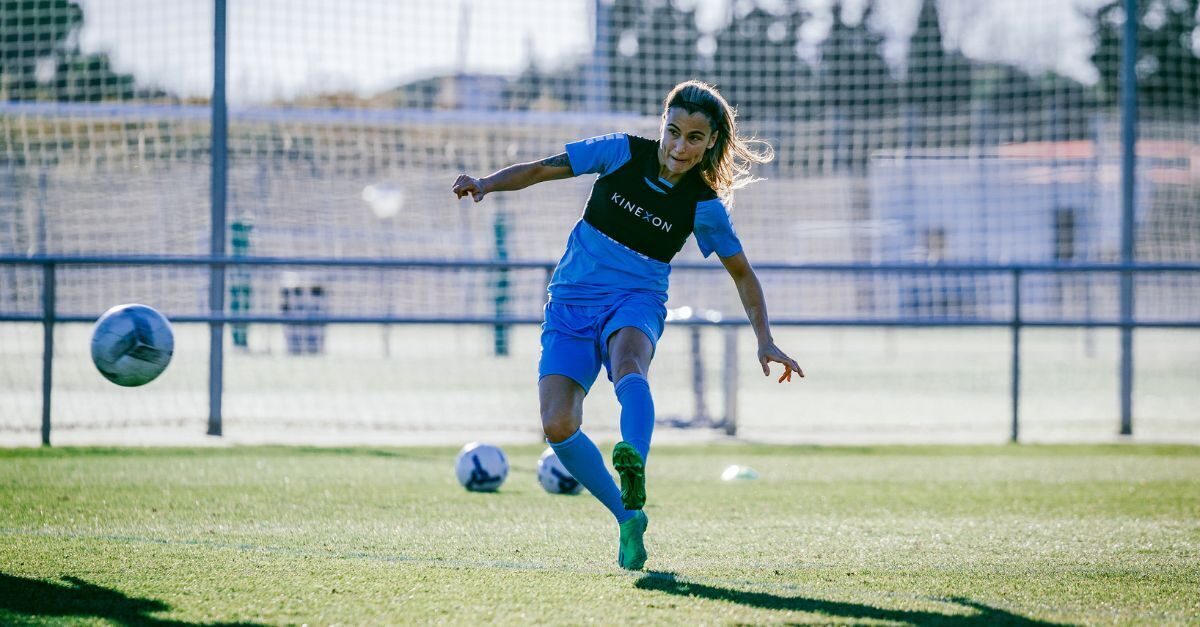
The use of football (soccer) vests for sports analytics is ushering in a new era of data-driven decision-making.
By providing coaches, players, and analysts with real-time insights into performance, tactical strategies, and player biomechanics, these a soccer vest is an indispensable tool for optimizing training, enhancing player development, and gaining a competitive edge on the field.
As technology continues to evolve, you can expect them to change the game in unprecedented ways.
KINEXON Football (Soccer) Training Vests

At KINEXON, we’re a sports analytics company that provides football (soccer) vests to men’s and women’s teams all over the world. Our sports technology produces precise, real-time localization of athletes and ball tracking.
To find out more about our soccer vests and the insights you can gather from them, don’t hesitate to contact us. Or check our many football/soccer tracking options by clicking the link below.
More stories
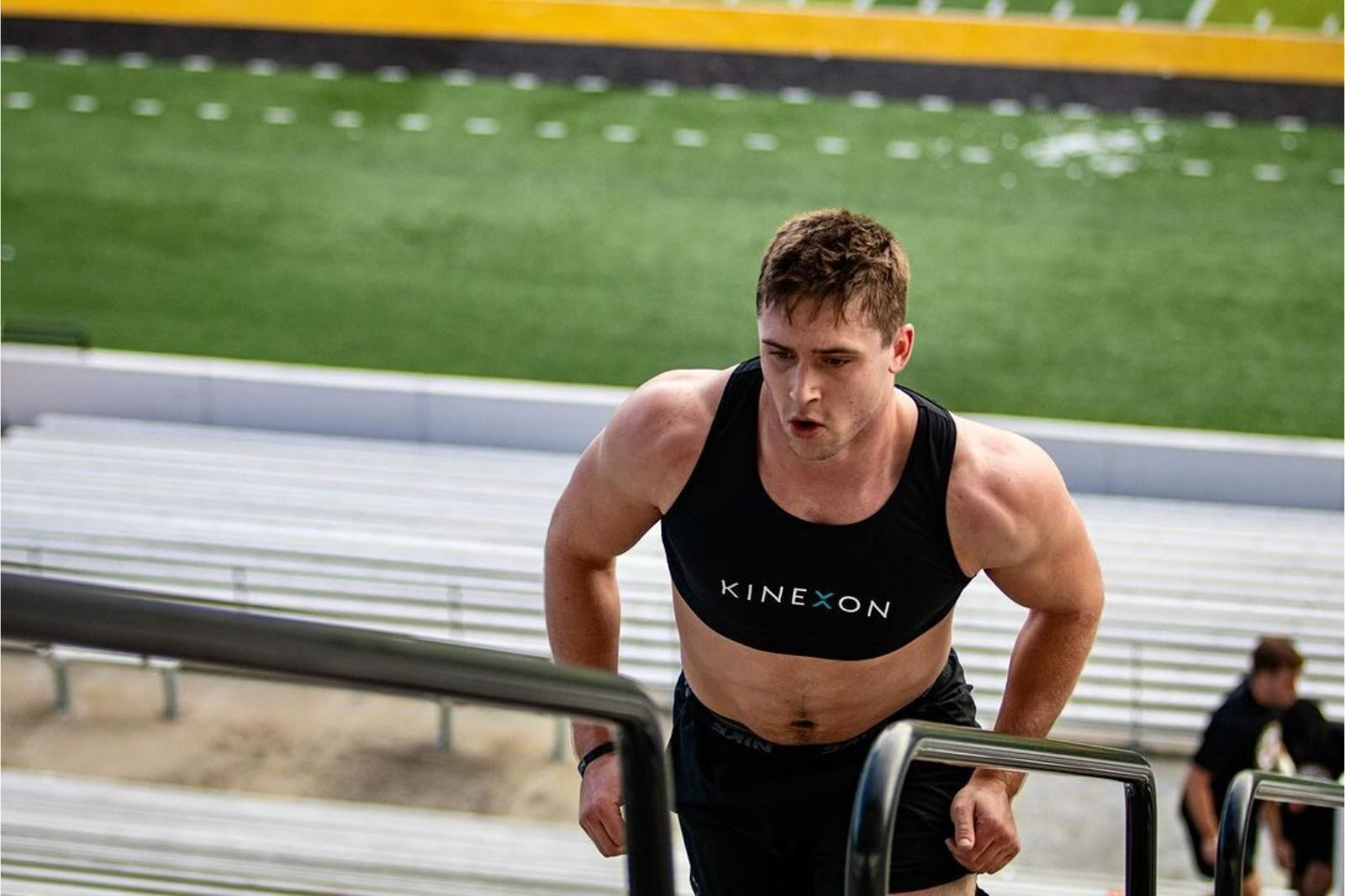
How Analytics Can Help Improve Collegiate Football Workouts
The offseason is a crucial time for college football players to improve their skills, strength, and conditioning. But how do you put together a training program that is as efficient as it is effective? Here’s a surefire way to start.
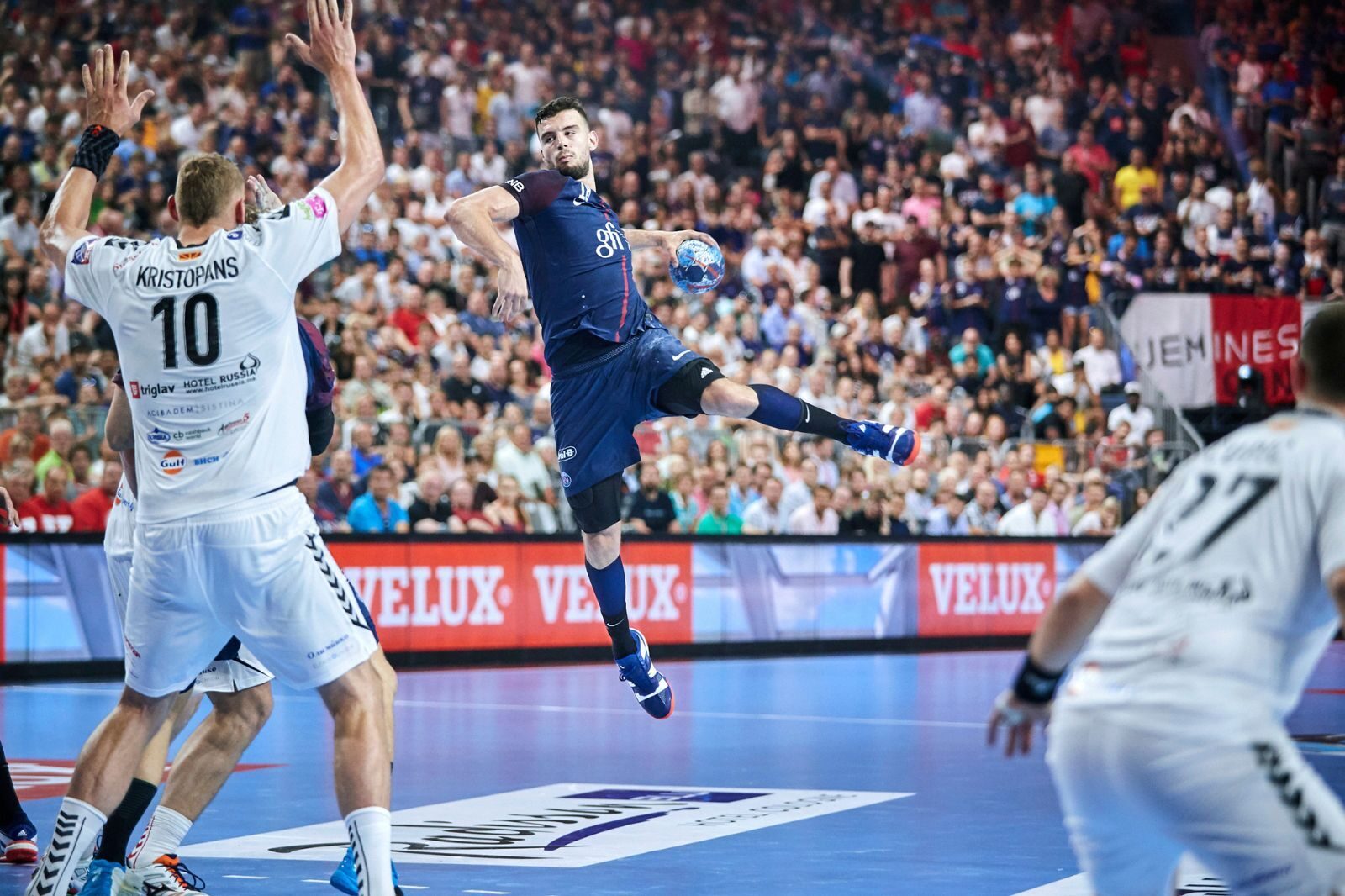
Researchers Uncover the Power of Plyometric Workouts for Elite Handball Players
A group of researchers set out to assess the impact Plyometric training might have on improving vertical jumps (and other performance metrics) of handball players at the elite or national level. Here’s what they learned.

Data-Driven Approach Fuels Coach’s Return-to-Play Protocol!
Injury recovery is a critical aspect of sports, and it’s where data can make a significant impact. As Rik van Waes, the Head Strength and Conditioning for the Heroes Den Bosch professional basketball team, puts it, “Returning to play after an injury is one of the major things that data can contribute to.”

REWE Final4 Breaks New Ground with Cutting-Edge Handball
Each year, thousands of handball fans converge at the REWE Final4, while millions tune in from home. Alongside the Handball Bundesliga, it doesn’t get much bigger than this. Except this year.

Study Reveals: Olympic-Based Strength Training Enhances Handball Skills!
Imagine the power and agility of an Olympic athlete combined with the strength and endurance of a handball player. That’s exactly what a recent study set out to explore. The goal? To unlock new levels of performance for women handball players.

What's Still Missing on The Journey to Equality for Women Athletes?
Researchers from the Bundesliga club, TSG 1899 Hoffenheim, are conducting a study on the influence of the menstrual cycle on the performance of women athletes. Dr. Sascha Härtel and Dr. Ludwig Ruf shared insights into the research, and talked about what is still needed.

Study Reveals the Most Popular Shot EuroLeague Basketball Players Take
Sports analytics and data-driven forecasting play crucial roles in European basketball. Researchers are trying to identify essential performance metrics and effective coaching strategies. What they’re finding is that one type of shot is more popular than the rest.

Why Underloaded EuroLeague Basketball Players Still Need Data
As Head of Performance at Fenerbahce Beko Istanbul, Kostas Chatzichristos knows basketball analytics. He explains why coaches need to collect data on all players — even the ones who aren’t getting minutes.
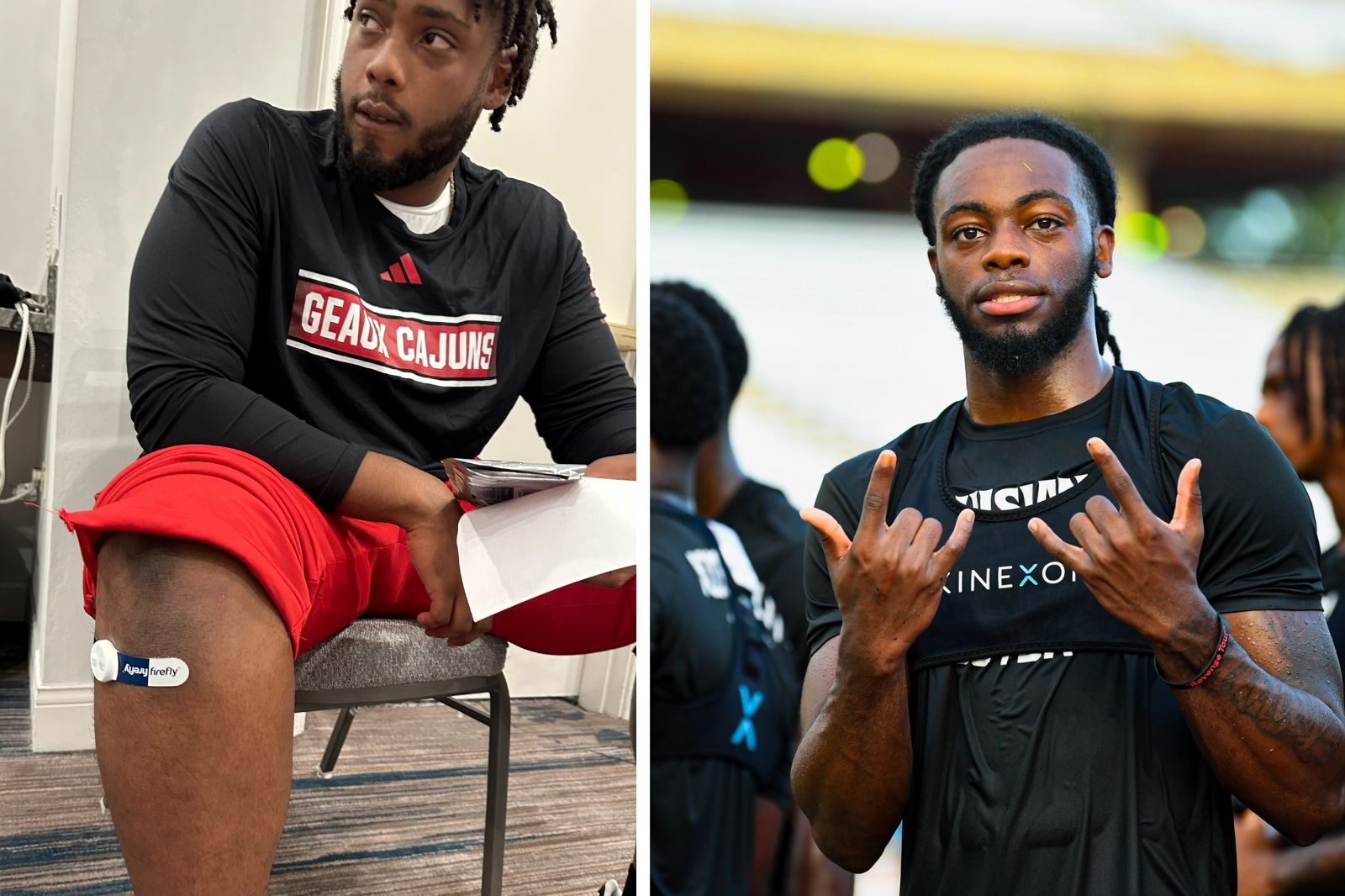
What a UL Experiment Revealed About Merging Live GPS Data and Recovery Tech
In football, recovery is as important as training. Recently, the sports medicine staff from the University of Louisiana conducted an experiment to gauge the impact Firefly Recovery Devices may have on a player’s recovery with the help of live data from KINEXON Sports.
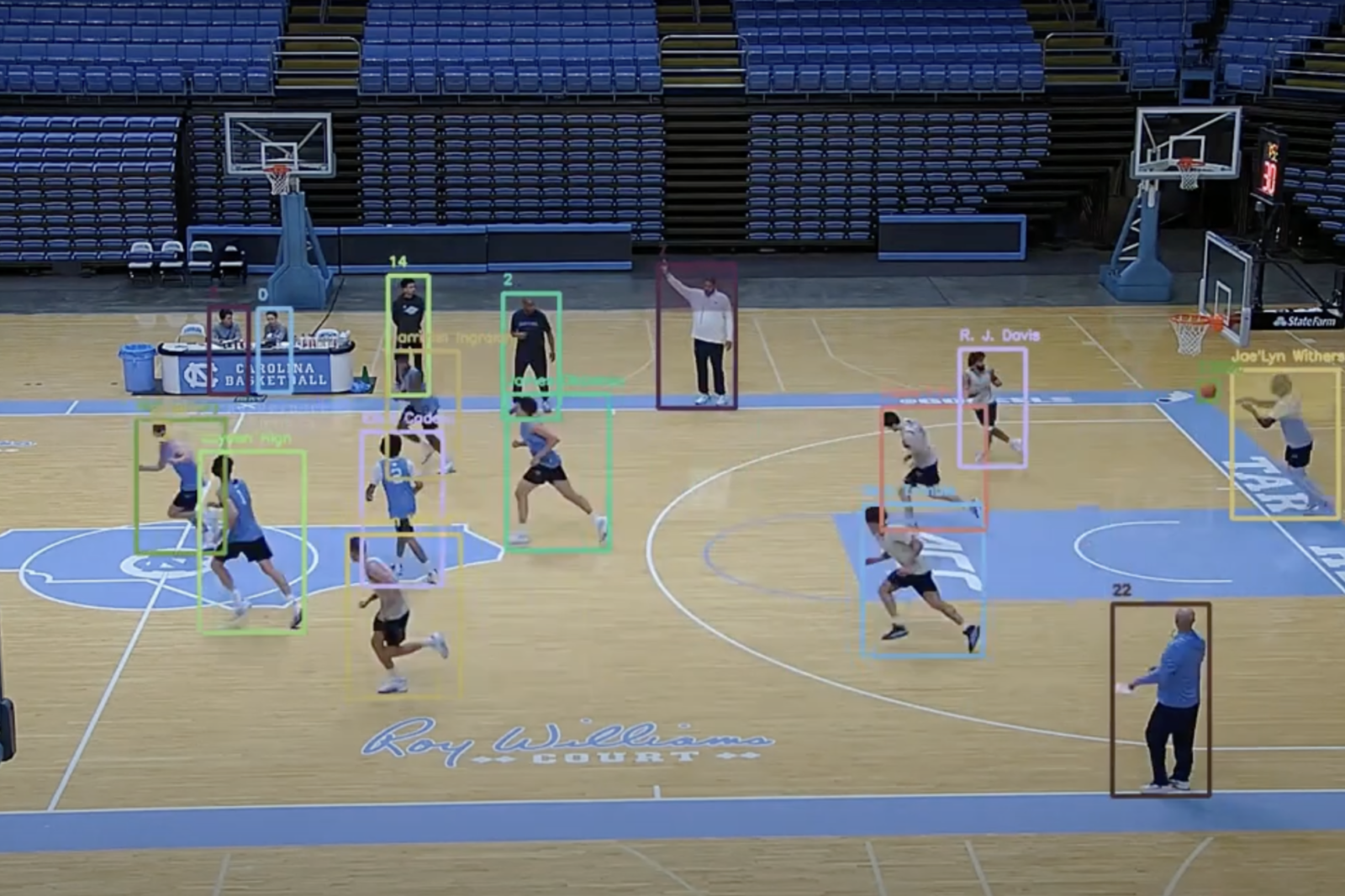
How Basketball Coaches Can Use Sports Video Analysis Software
Basketball coaches and players strive to understand the intricacies of each shot. But using a video analysis software, that doubles as basketball shot tracking app, promises to be the Holy Grail for those seeking comprehensive insights.
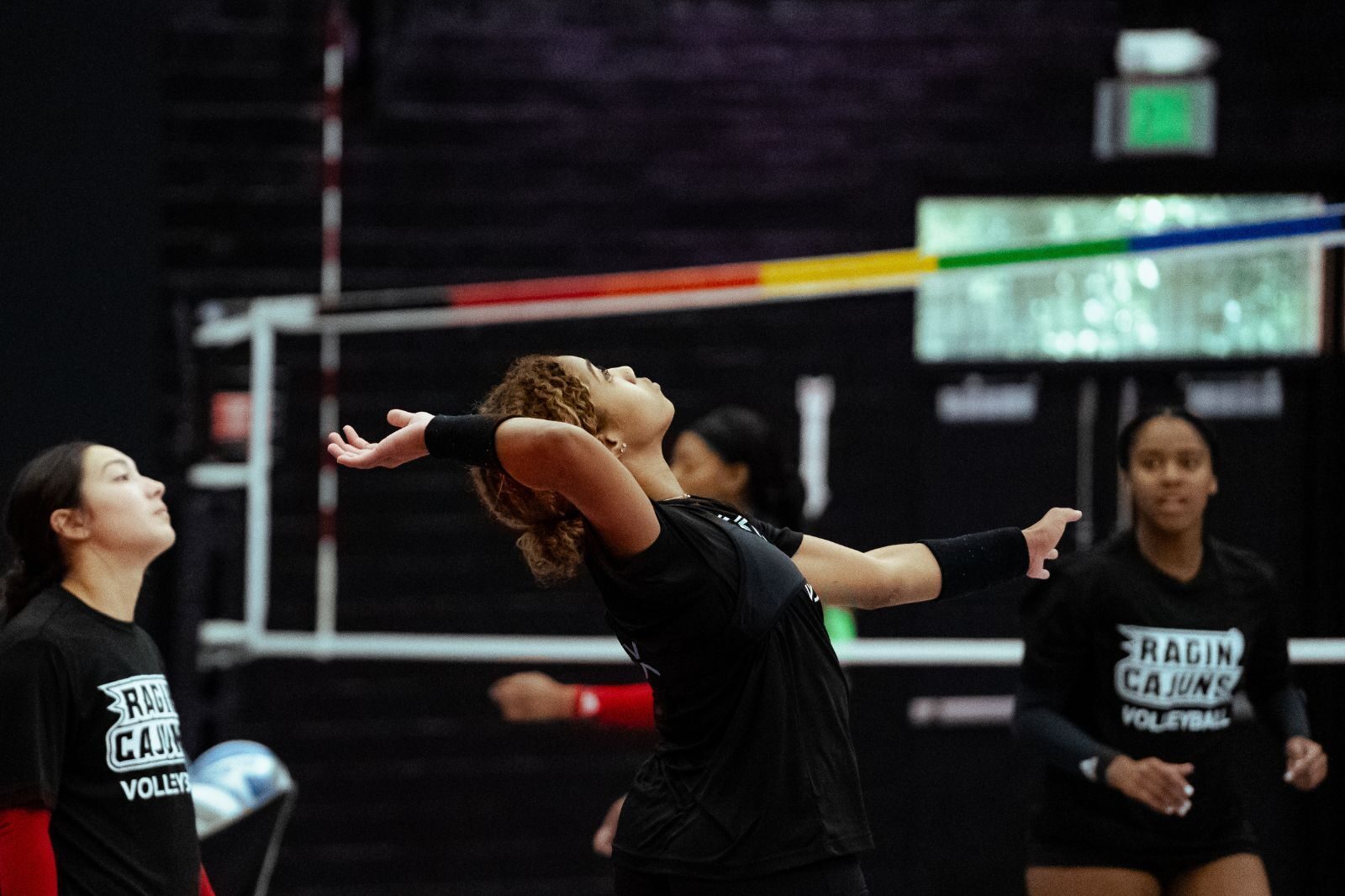
What Are The Volleyball Metrics That Matter Most to Coaches?
Volleyball positions require speed, agility, power, and precision. But how do you know if your team is performing at its best? How do you measure your progress and identify your strengths and weaknesses? This is where player metrics and analytics come in.
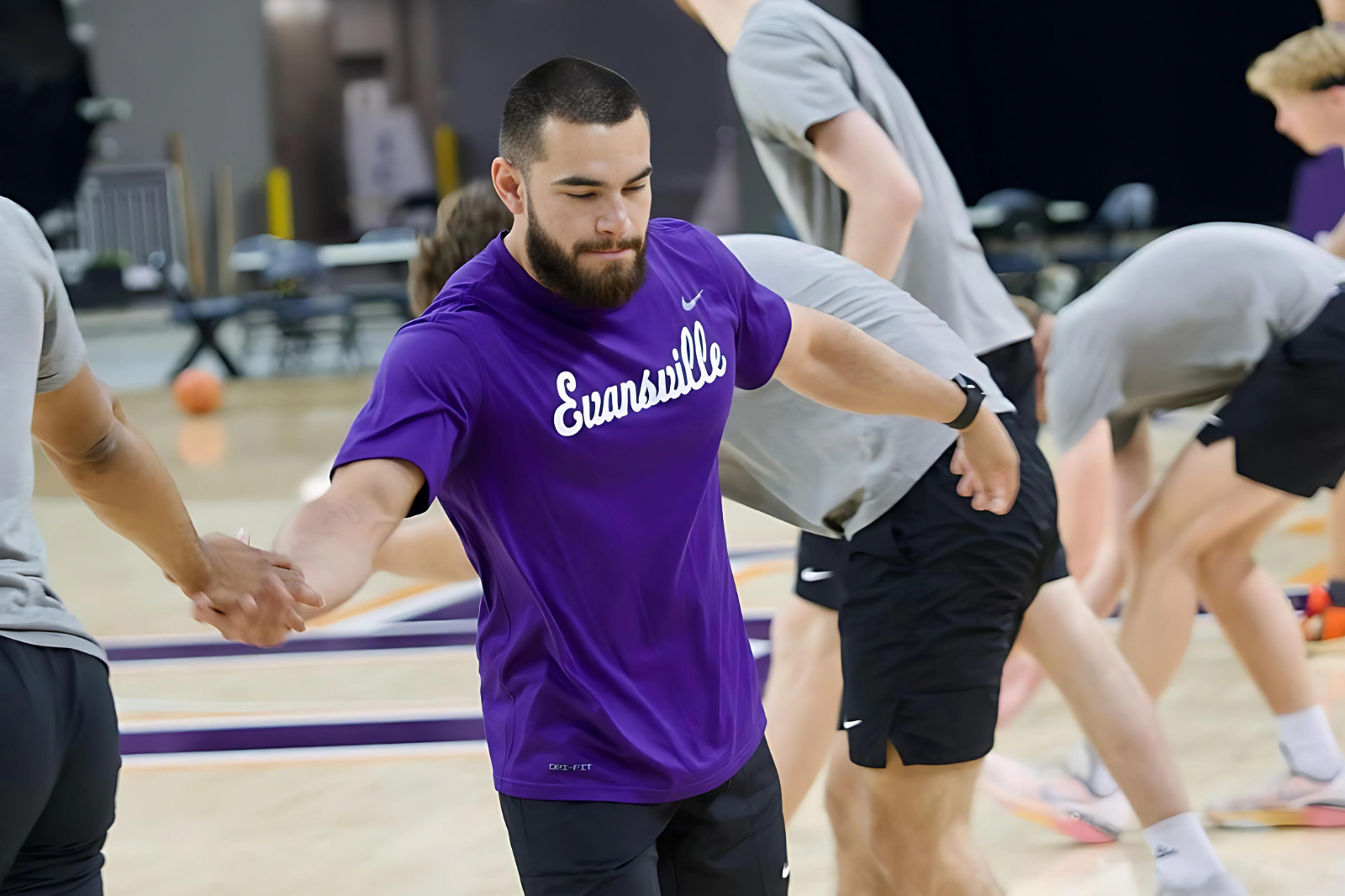
Why Evansville University’s Sports Performance Coach Dislikes Backpedaling
How can players optimize their performance and avoid wasting steps on the court? That’s the question Jeremy Portillo, the sports performance coach for Evansville University men’s basketball team, was asked on a recent episode of “The Extra Edge” podcast. He gave a jaw-dropping answer.

Athletic Performance: Why is it Important to Understand and Track Acceleration?
Athletic ability is often associated with an athlete’s explosive speed and acceleration. That’s why acceleration is often called one of the cornerstones of excellence in athletic performance. But did you know that it can be improved with the right tools and training methods?

How UAB's Strength Coach Sold Football Analytics to His Head Coach
Author: Dave Grendzynski
Lyle Henley, the Director of Sport Performance for the University of Alabama Birmingham. football team. He’s a strong advocate for sports data. He shares his story of how he sold his old school head coach, Trent Dilfer, on the idea of using data.

What Kind of Live Data Can an LPS System Provide Fans During an American Football Game?
Coaches, players, media, and fans crave real-time insights to enhance performance, strategy, and engagement in American Football. Now, LPS technology is providing just that. Giving everyone in the stands, and watching at home, a view of the game they have never seen before.