Enhancing Athletic Ability: The Intersection of Sports Performance Training and Sports Analytics
In the dynamic world of sports, athletes are continually seeking an edge to maximize their performance. Two essential aspects that are revolutionizing the way athletes train and compete are sports performance training and sports analytics. In short, they’re harnessing the power of cutting-edge training techniques and data-driven insights to unlock their full potential.

In this blog post, we will explore how sports performance training and sports analytics are transforming the way athletes train and compete, and coaches coach, leading to remarkable improvements in athletic performance.
Changes in Sports Performance Training

Sports performance training has come a long way from traditional methods. It now encompasses a holistic approach that combines strength and conditioning with things like:
- Agility drills
- Nutrition
- Injury prevention
- Recovery strategies
Athletes engage in specialized workouts tailored to their specific sport, focusing on enhancing individual facets of their game, including:
- Speed
- Power
- Endurance
- Overall athletic abilities
These training regimens are designed to optimize performance while minimizing the risk of injury.
Trainers and coaches employ scientifically backed methodologies to push athletes beyond their limits, helping them reach new heights of success.
The Power of Sports Analytics
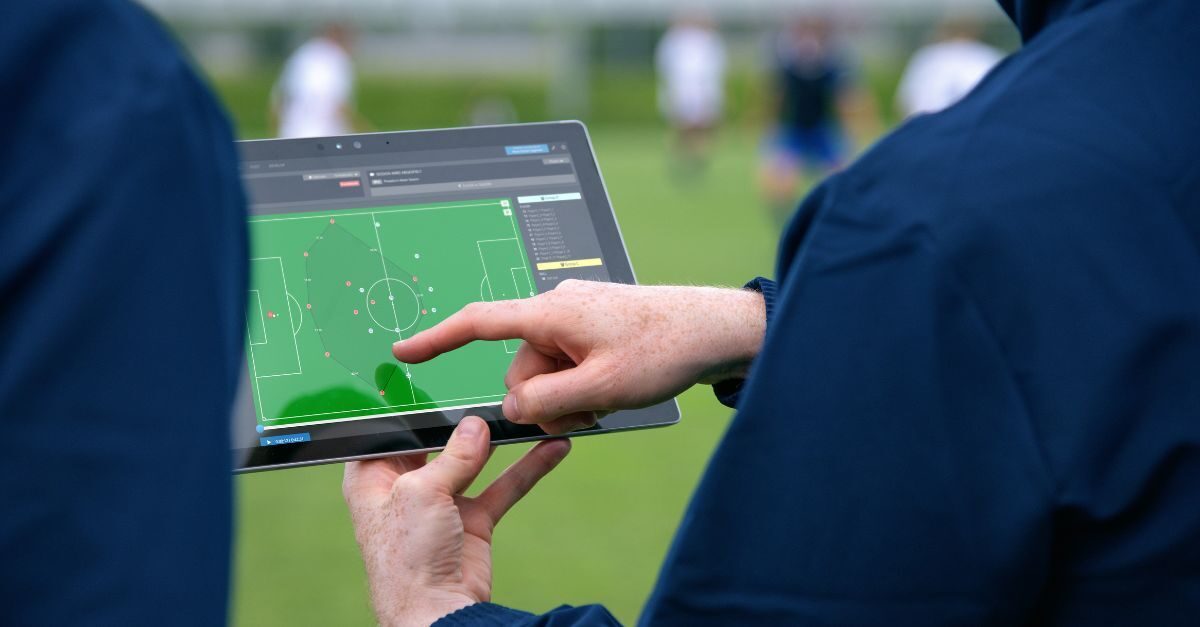
Sports analytics, also known as sports data science, has emerged as a game-changer in the world of athletics. Leveraging cutting-edge technology and advanced statistical analysis, sports analytics provides valuable insights into various aspects of the game.
Athletes, coaches, and trainers can now collect (sports) data, including
- Player performance metrics
- Opponent tendencies
- Game strategies
By interpreting this data, coaches and analysts can make informed decisions that can impact training programs, game plans, and individual player development. Sports analytics is revolutionizing the way teams strategize and prepare, giving them a competitive advantage on and off the field.
Sports performance training and analytics are already making a significant impact on numerous sports. Teams like the Denver Nuggets use sports data analytics and just won their first NBA championship.
NCAA basketball teams like Furman (upset No. 4 seed Virginia in the first round of the men’s collegiate basketball tournament) and the University of Miami (made it to the Final Four), also use sports analytics for training and game planning.
Sports technology is spreading to every men’s and women’s sport, on every level of play, including:
- American Football
- Soccer
- Volleyball
- Handball
- Lacrosse
- Field Hockey
Essentially, any outdoor or indoor sport can use sports analytics to enhance their training and preparation.
We surveyed nearly 500 basketball coaches and student-athletes to find out how they’re using sports analytics to improve their performance.
Pairing Sports Performance and Analytics

The integration of sports performance training and sports analytics is paving the way for a new era of athletic excellence. By using analytics, trainers and coaches can gain deeper insights into an athlete’s performance, identifying strengths, weaknesses, and areas for improvement.
This (sports) data-driven approach allows for personalized training programs that target specific areas, maximizing an athlete’s potential. For example, analytics can reveal patterns in an athlete’s performance, helping trainers design workouts that make load management easier. Moreover, analytics can help in injury prevention by identifying potential risk factors and designing training programs to mitigate them.
Great Data Starts With Sports Technology

Sports performance training and sports analytics have become inseparable partners in the quest for athletic excellence. By merging cutting-edge training methodologies with data-driven insights, athletes and teams can unlock their true potential.
KINEXON is one of the leading sports analytics companies in the industry. Our sports scientists seamlessly integrates sports performance and analytics and easily create things like:
- Personalized training programs
- Injury prevention strategies
- Enhanced game plans
Our player tracking technology and the insights it provides help monitor player workload and keep players fresh, and on the field longer.
As technology continues to evolve, we can expect further advancements in sports performance training and analytics, revolutionizing the way athletes prepare and compete at every level.
If you’re interested in learning more about our player tracking devices, please contact us. Or, feel free to set up a talk with one of our experts who will walk you through the basics.
More stories
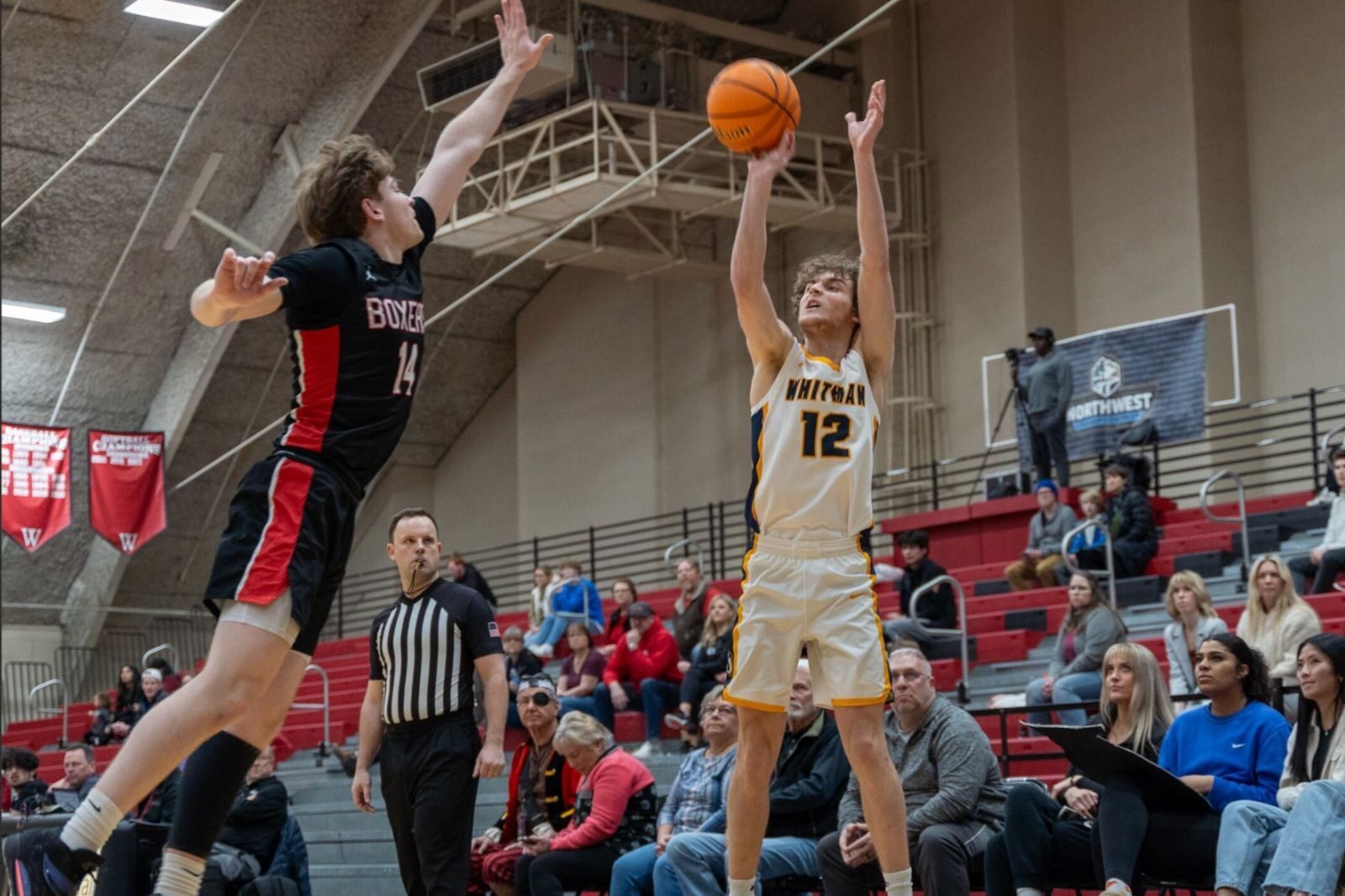
Innovative Strategy Boosts Player’s 3-Point Accuracy to 60% in Conference Games
Do you have players struggling with contested 3‑point shots? Get to know a college coach with a proven method to boost shooting efficiency for high-intensity shots in as little as four weeks.

Research Exposes What Puts College Football Players at Risk for Hamstring Strains
Hamstring strains are common among male college American football players. Researchers have been investigating potential risk factors to better understand and prevent these injuries, and they believe they have identified three that all coaches should track.

Former Handball Pro Shares His Personal Must-Know Metric for Coaches
Call it inside information, but a former pro handball player, who is now a strength and conditioning coach, says one metric seems to stand out when it comes to load management in handball.
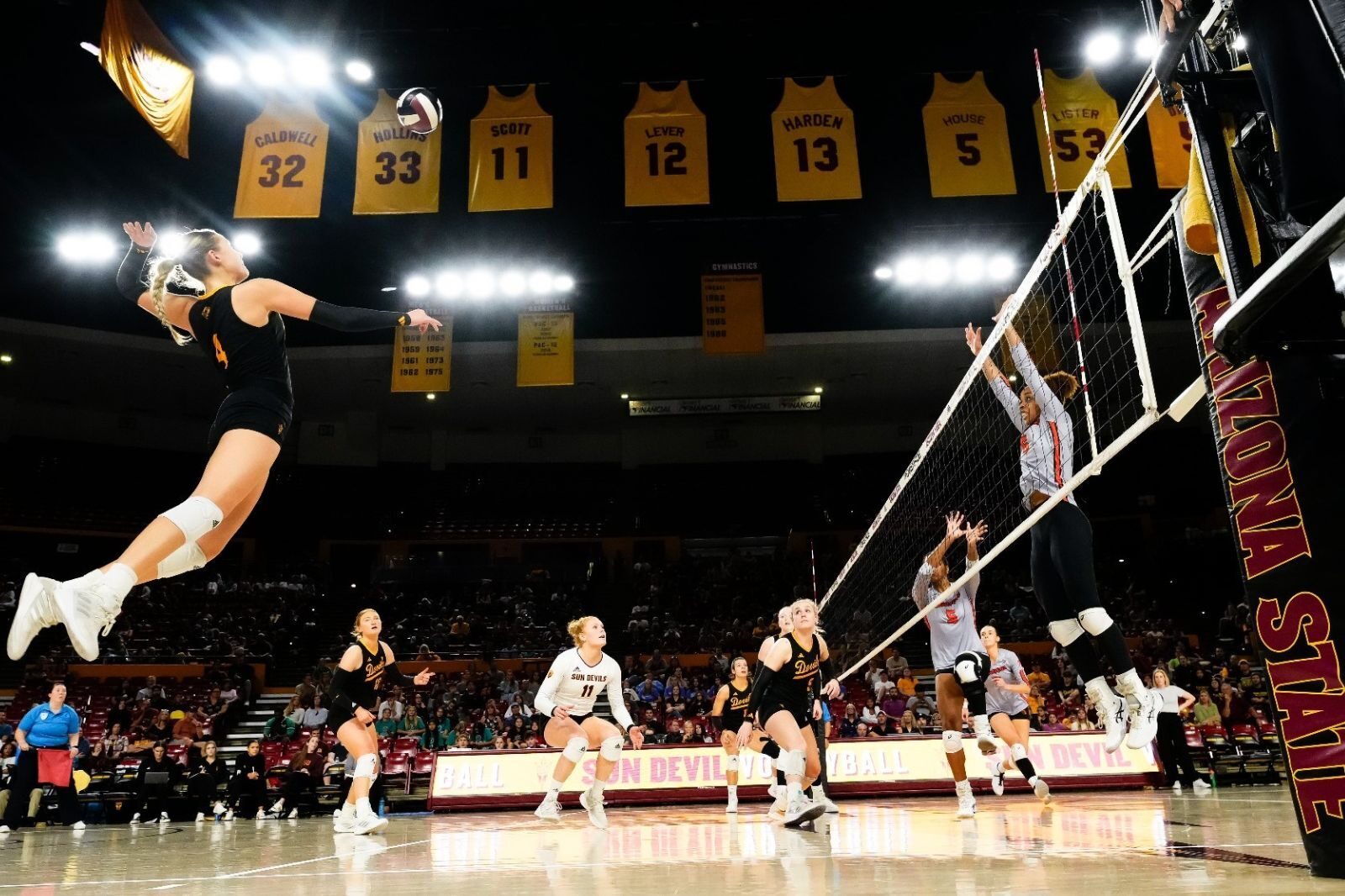
How Volleyball Metrics Helped Power Arizona State University to a Record-Setting Season
The Arizona State University Women’s Volleyball team used data to determine their optimal practice length, and it culminated in one of their best seasons in school history.
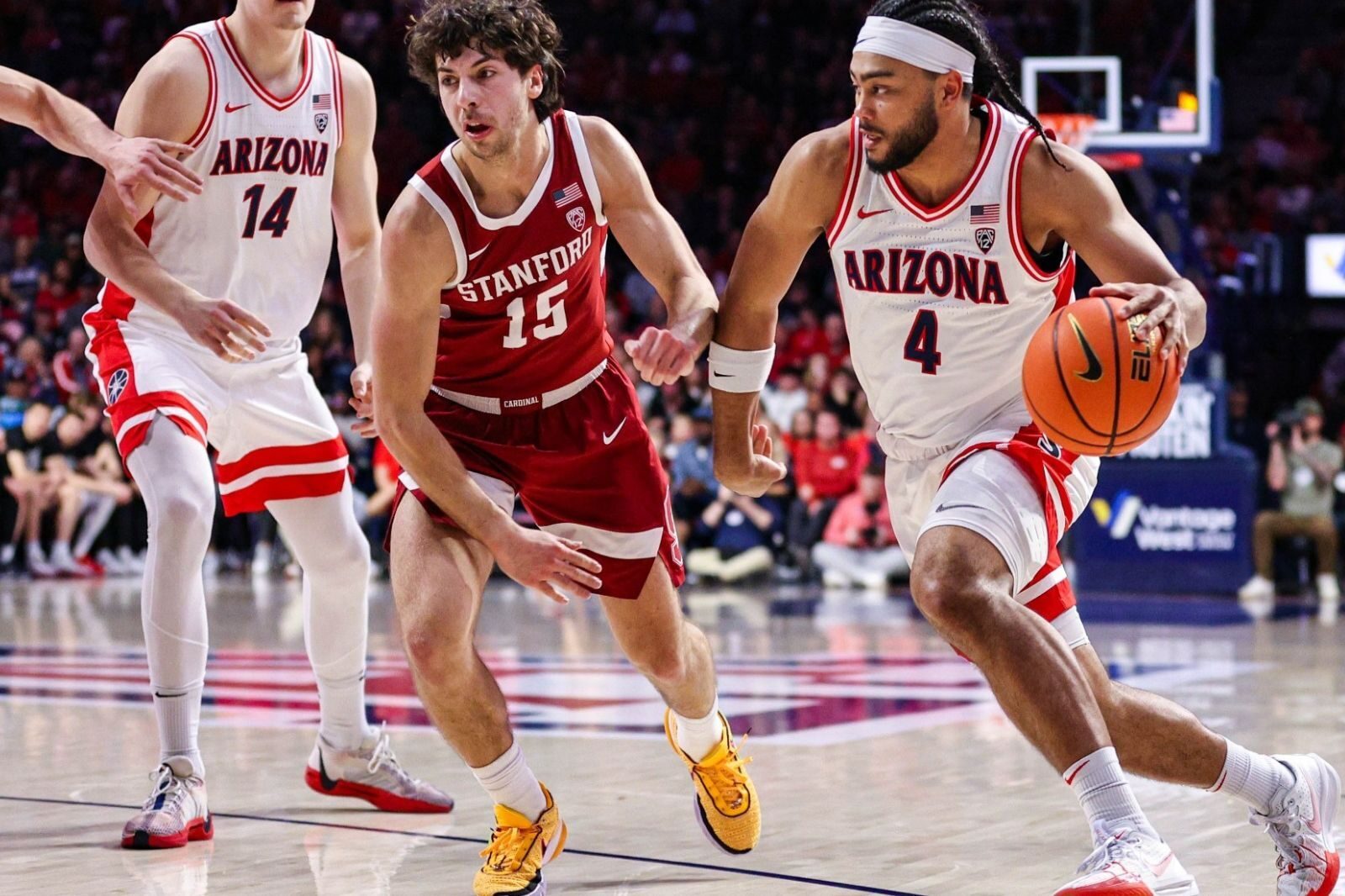
The Secret Behind The University of Arizona’s Sports Performance Training Methods
Two key figures in the data-driven revolution at the University of Arizona are Jim Krumpos and Dayannara Munoz. They say there are three critical factors that make all the difference in their data collection efforts and training style.

What Data-Driven Hockey Software and Puck Data Can Do for Coaches and Players
The power of data in ice hockey is eye-opening. Analytics are enhancing player performance, strategic decision-making, and training development. But those aren’t the only ways data-driven hockey software is reshaping the game.

What Does an IMU Sensor Track in Elite Handball?
Handball players move fast and put lots of stress on their bodies. But more coaches are discovering that using the most-used load management system in sports helps to keep them on the court and playing their best for longer periods.

What Kind of Data Does a GPS Tracker for Football Players Provide?
Technology has become an integral part of enhancing player performance and reducing injuries. One such example is the GPS tracker for football players. But what kind of data does it provide? And what does this information tell coaches and players?

The Connection Between Basketball Data, Point Spreads, and Sports Performance
When it comes to women’s college basketball, every edge counts, both mentally and physically. This ensures the best possible outcome on game day. Even if it means using the daily line as motivation.

Are On-Ice Skating Tests Essential for Coaches Who Evaluate Hockey Players?
On-ice skating tests are often used to evaluate essential performance attributes in competitive-level hockey players, including agility and speed. A recent study provides insights for coaches, that may help them pick the best tests and exercises to assess hockey players.
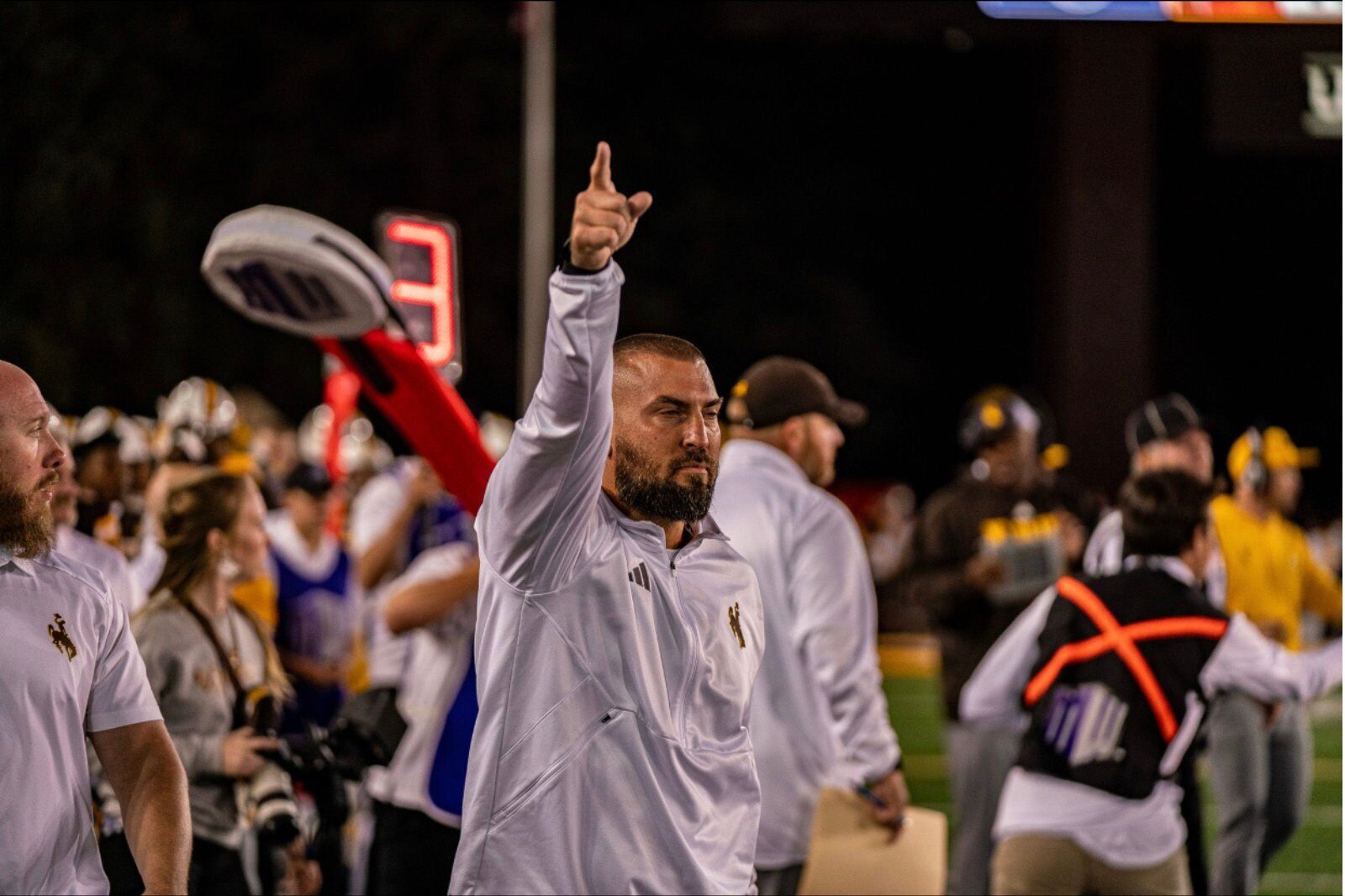
How Coaches Balance Football Analytics and Coach’s Intuition When Making Player Decisions
The interplay between hard data and human intuition in football is a delicate dance. Eric Donoval, the Director of Sports Performance for the University of Wyoming football team, provided insightful commentary on this intricate balance on a recent episode of “The Xtra Edge” podcast.

Why Integrating Match and Training Data is Critical for Football Coaches
More and more coaches are taking advantage of the powerful combination of match data and GPS-based training data. This fusion of information is providing unprecedented insights into player performance, team dynamics, and game strategy.
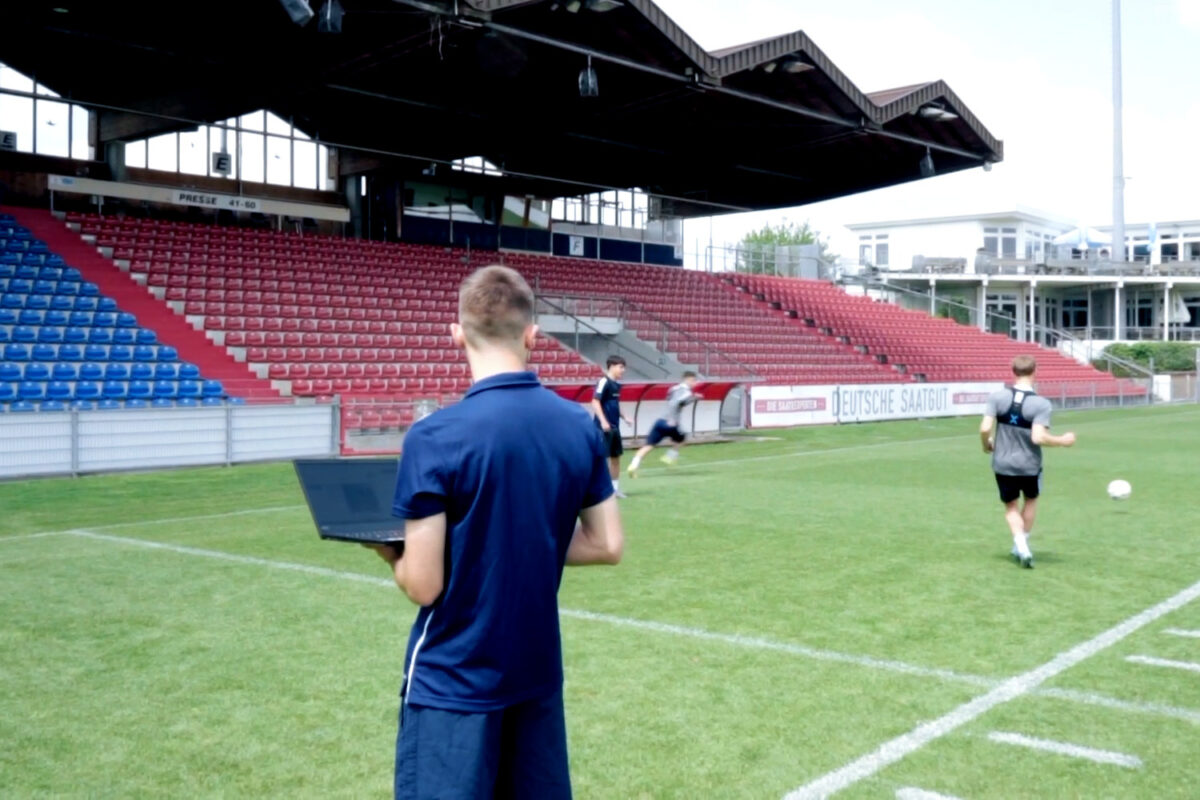
How Coaches Are Unlocking Football Players’ Potential with GPS Tracking Insights
Technology’s influence on football is undeniable, particularly with the expanded use of GPS tracking. It plays a major role in painting a more comprehensive picture of individual players and overall team performance, leading to improved outcomes. And now it’s easier than ever for coaches to use.

What's the One Thing 2024 NBA Draft Combine Leaders Have in Common?
The NBA Draft Combine underscores the pivotal role of data-driven performance metrics in preparing athletes for high-stakes competitions. But there’s a commonality among the players who performed best during the strength and agility drills this year.
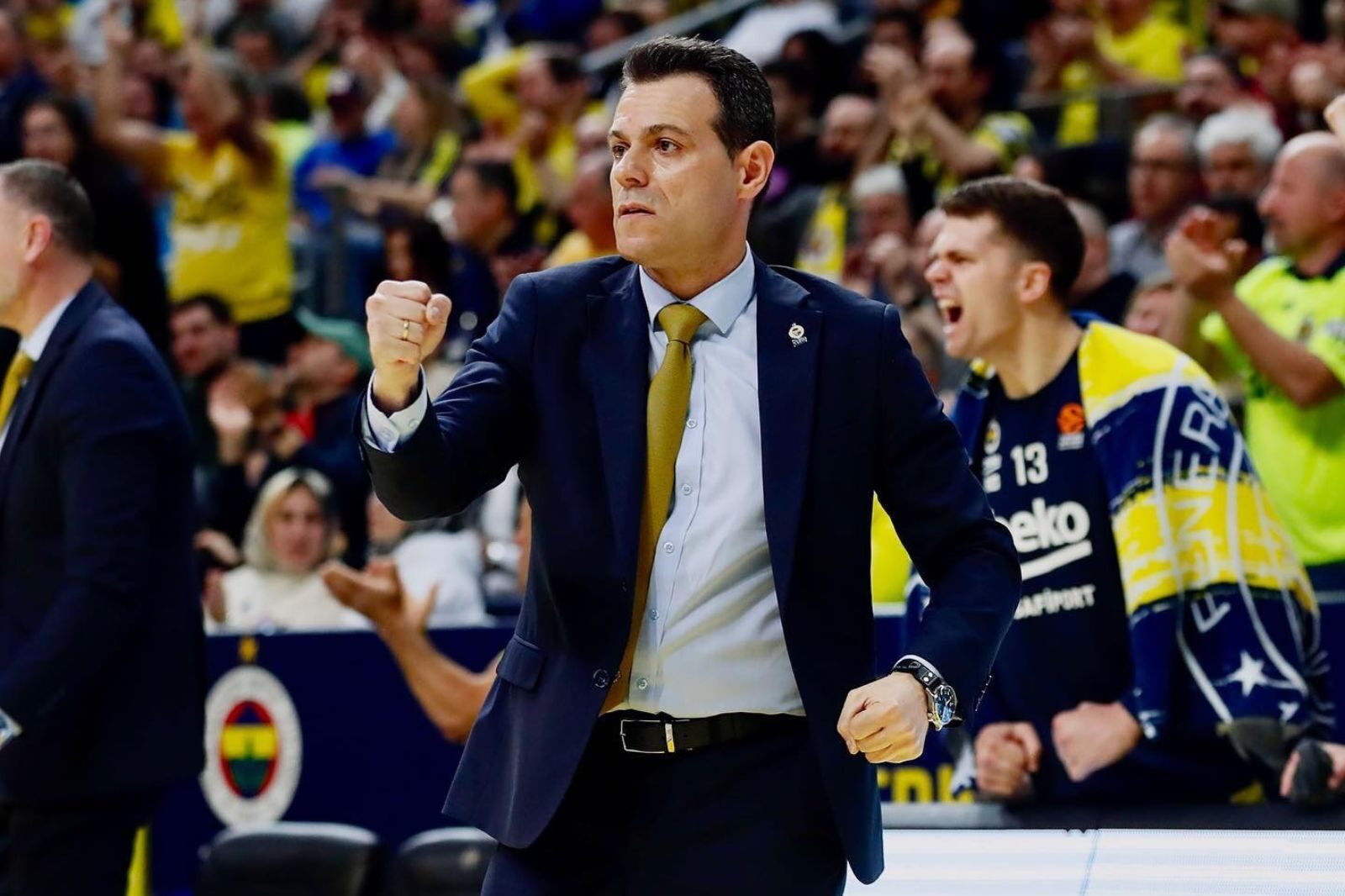
Dimitris Itoudis is Mastering EuroLeague Basketball with Data-Driven Coaching
Dimitris Itoudis is one of the winningest coaches in EuroLeague basketball history and renowned for his strategic prowess. But he also exemplifies the marriage between traditional coaching wisdom and modern data analytics.