Why Integrating Match and Training Data is Critical for Football Coaches
More and more coaches are taking advantage of the powerful combination of match data and GPS-based training data. This fusion of information is providing unprecedented insights into player performance, team dynamics, and game strategy.

Match data is all of the information collected during the football (soccer) match that is converted by a software package into data points.
But what makes this combination of match data and GPS-based training data so powerful?
Start Saving 20-30 Minutes After Each Practice or Game by Using the First Athlete Monitoring System a Fully Automated Workload
Live Match Data is a Powerful Tool

When it comes to match data, no stone is left unturned.
For example, if a player sprints from the edge of the box to the center circle, the player tracking devices record the player’s location, calculate their speed, and sends the information to an online platform. All this information can be accessed by the club, even in real time, during the match.
Using the software, match data analysts evaluate the information to see if their players’ performance data meets expectations. Are wingers making their typical amount of sprints? Is the team running less during a particular match than they normally do? Or are players risking injury because they are covering too much distance?
All this knowledge is shared with the head coach during the match (if they choose). After the match, coaches even have access to all the collected raw data. The clubs can use it to improve practice regimens.
Combining Match Data with GPS Football Training Data
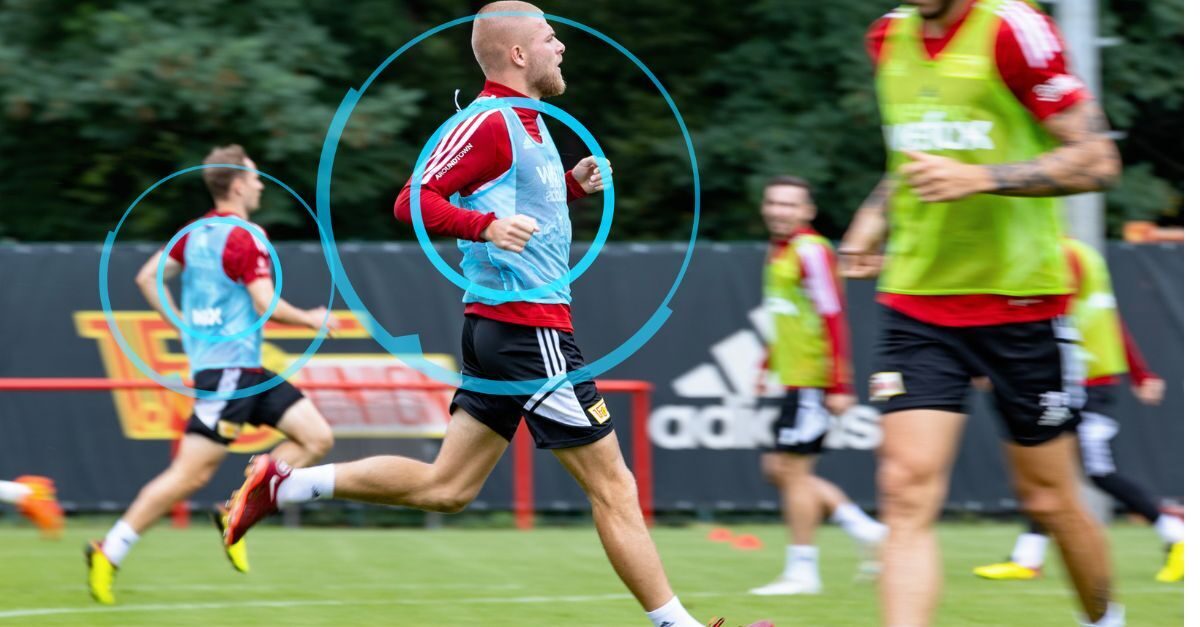
But when coaches combine match data with GPS-based training data, they get a powerful tool. This is because it gives them a complete picture of a player’s performance. Match data shows how a player performed in a game. But it doesn’t show everything.
GPS-based training data tracks a player’s movements. It can show how fast they run, how far they move, and even how their performance changes over time.
By looking at both types of data together, a coach can see not just how a player performs in a game, but also what a player is capable of, and where they might need to improve, which helps in planning practices.
So, for coaches, this combination of data is very important. It helps them make the best decisions for their team.
An Easy Way to Integrate Football Analytics
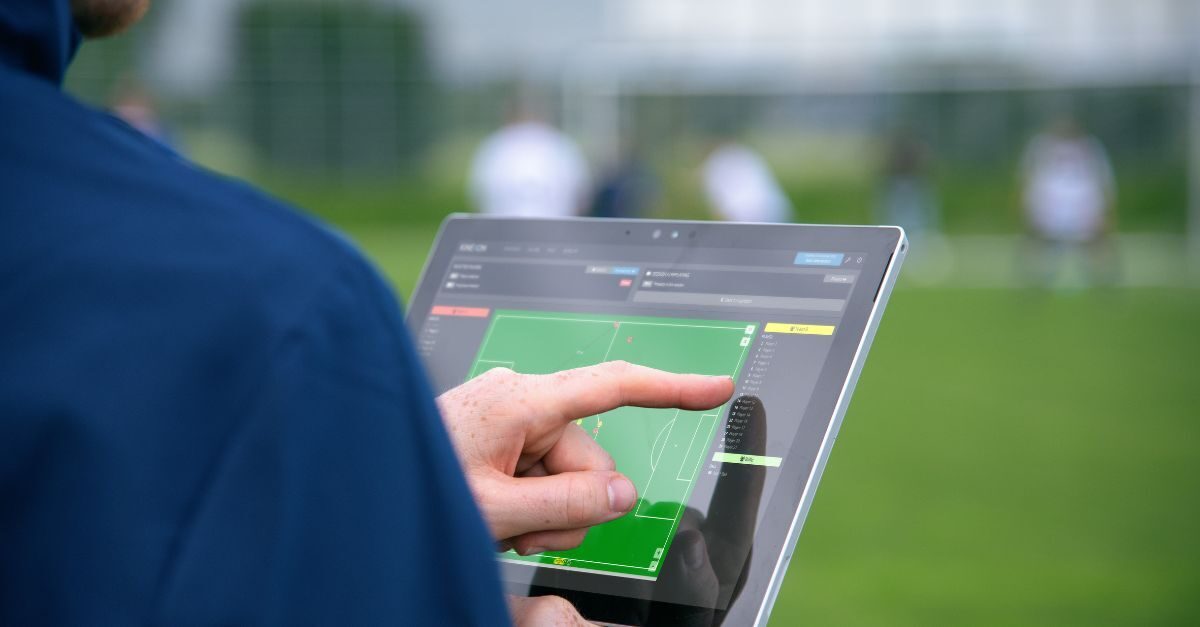
The widespread adoption of device tracking systems in professional leagues generates a vast amount of data. Now, the onus is on elite football teams to leverage these insights and tools in their on-field strategies.
LEAGUE DATA X‑SIGHTS is a tool that seamlessly integrates GPS-based training data with official match data from the German Bundesliga. This unique combination allows for both real-time and post-session analysis.
If you’re interested in learning more about the integration of match and training data, feel free to reach out to us at your convenience.
Women’s Team Helping to Develop Metrics Specifically for Female Athletes
More stories
Innovative Strategy Boosts Player’s 3-Point Accuracy to 60% in Conference Games
Do you have players struggling with contested 3‑point shots? Get to know a college coach with a proven method to boost shooting efficiency for high-intensity shots in as little as four weeks.

Research Exposes What Puts College Football Players at Risk for Hamstring Strains
Hamstring strains are common among male college American football players. Researchers have been investigating potential risk factors to better understand and prevent these injuries, and they believe they have identified three that all coaches should track.

Former Handball Pro Shares His Personal Must-Know Metric for Coaches
Call it inside information, but a former pro handball player, who is now a strength and conditioning coach, says one metric seems to stand out when it comes to load management in handball.

How Volleyball Metrics Helped Power Arizona State University to a Record-Setting Season
The Arizona State University Women’s Volleyball team used data to determine their optimal practice length, and it culminated in one of their best seasons in school history.
The Secret Behind The University of Arizona’s Sports Performance Training Methods
Two key figures in the data-driven revolution at the University of Arizona are Jim Krumpos and Dayannara Munoz. They say there are three critical factors that make all the difference in their data collection efforts and training style.

What Data-Driven Hockey Software and Puck Data Can Do for Coaches and Players
The power of data in ice hockey is eye-opening. Analytics are enhancing player performance, strategic decision-making, and training development. But those aren’t the only ways data-driven hockey software is reshaping the game.

What Does an IMU Sensor Track in Elite Handball?
Handball players move fast and put lots of stress on their bodies. But more coaches are discovering that using the most-used load management system in sports helps to keep them on the court and playing their best for longer periods.

What Kind of Data Does a GPS Tracker for Football Players Provide?
Technology has become an integral part of enhancing player performance and reducing injuries. One such example is the GPS tracker for football players. But what kind of data does it provide? And what does this information tell coaches and players?

The Connection Between Basketball Data, Point Spreads, and Sports Performance
When it comes to women’s college basketball, every edge counts, both mentally and physically. This ensures the best possible outcome on game day. Even if it means using the daily line as motivation.

Are On-Ice Skating Tests Essential for Coaches Who Evaluate Hockey Players?
On-ice skating tests are often used to evaluate essential performance attributes in competitive-level hockey players, including agility and speed. A recent study provides insights for coaches, that may help them pick the best tests and exercises to assess hockey players.
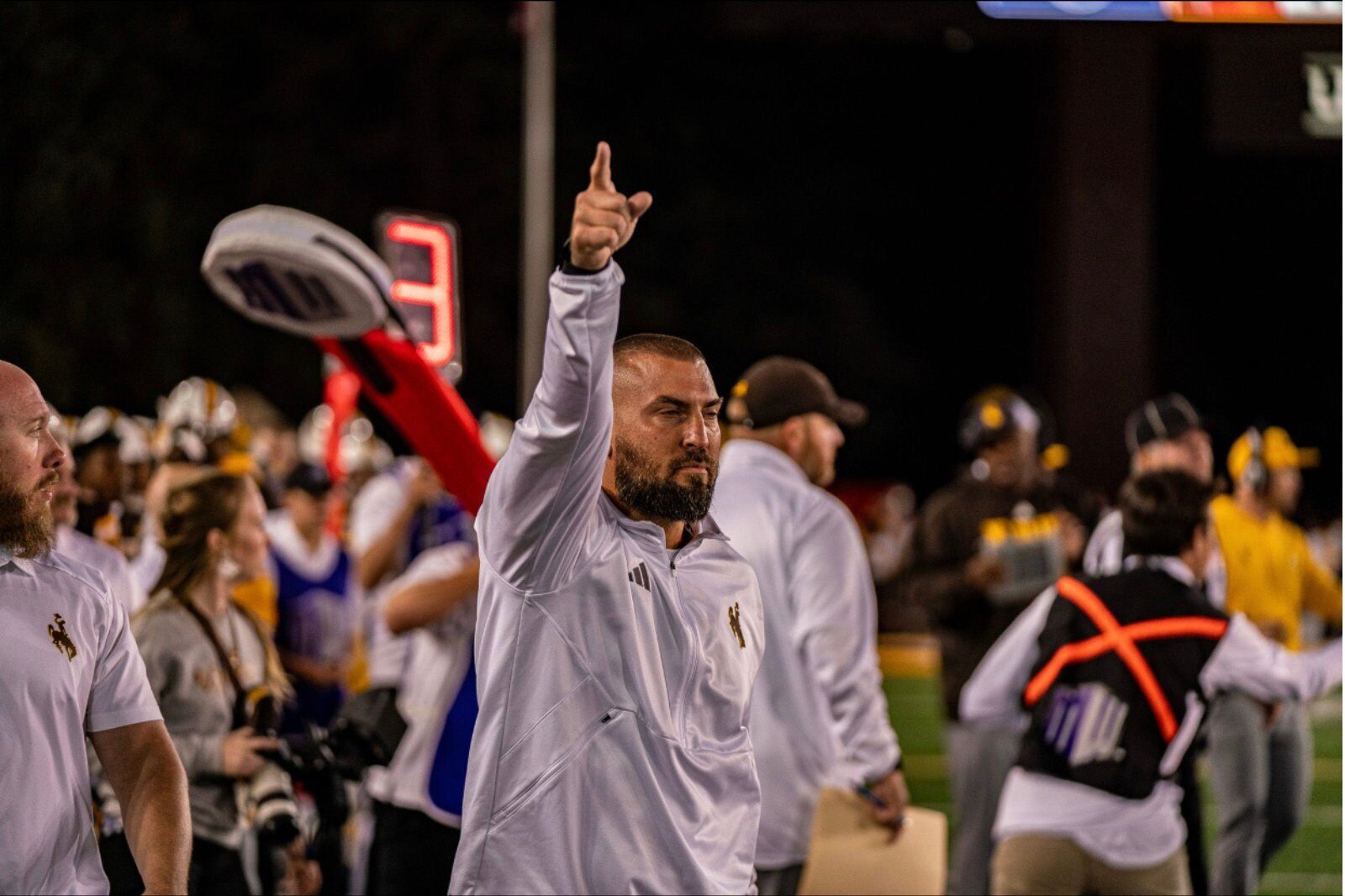
How Coaches Balance Football Analytics and Coach’s Intuition When Making Player Decisions
The interplay between hard data and human intuition in football is a delicate dance. Eric Donoval, the Director of Sports Performance for the University of Wyoming football team, provided insightful commentary on this intricate balance on a recent episode of “The Xtra Edge” podcast.
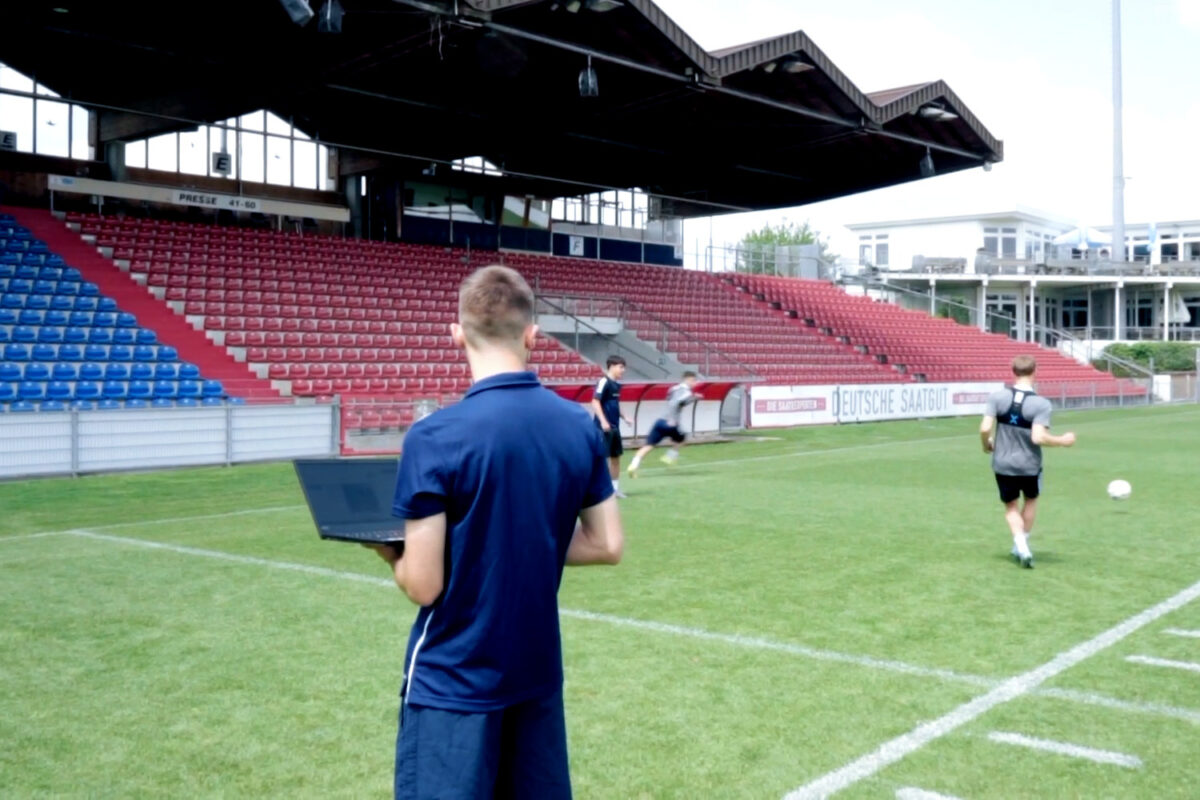
How Coaches Are Unlocking Football Players’ Potential with GPS Tracking Insights
Technology’s influence on football is undeniable, particularly with the expanded use of GPS tracking. It plays a major role in painting a more comprehensive picture of individual players and overall team performance, leading to improved outcomes. And now it’s easier than ever for coaches to use.

What's the One Thing 2024 NBA Draft Combine Leaders Have in Common?
The NBA Draft Combine underscores the pivotal role of data-driven performance metrics in preparing athletes for high-stakes competitions. But there’s a commonality among the players who performed best during the strength and agility drills this year.
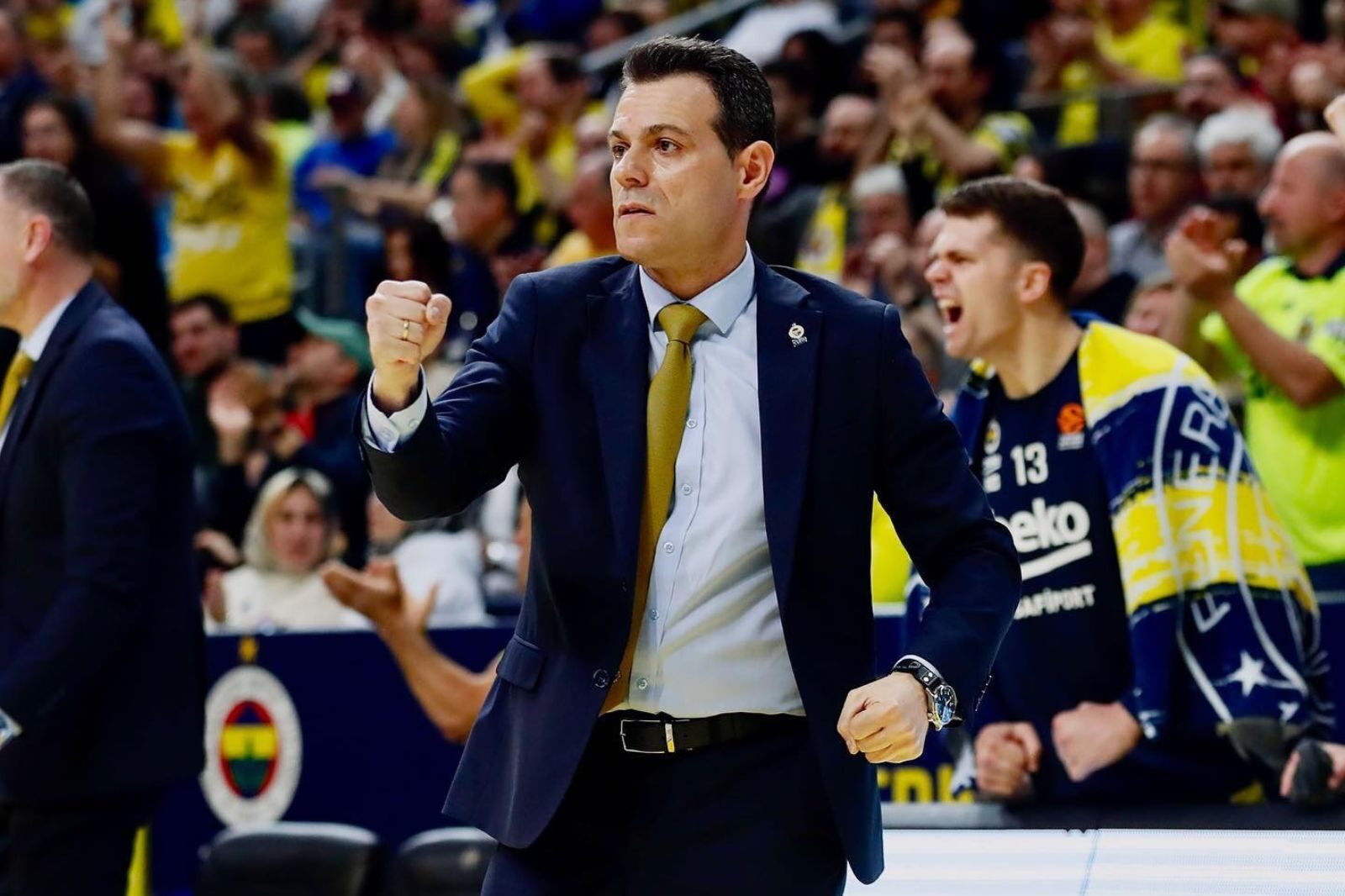
Dimitris Itoudis is Mastering EuroLeague Basketball with Data-Driven Coaching
Dimitris Itoudis is one of the winningest coaches in EuroLeague basketball history and renowned for his strategic prowess. But he also exemplifies the marriage between traditional coaching wisdom and modern data analytics.
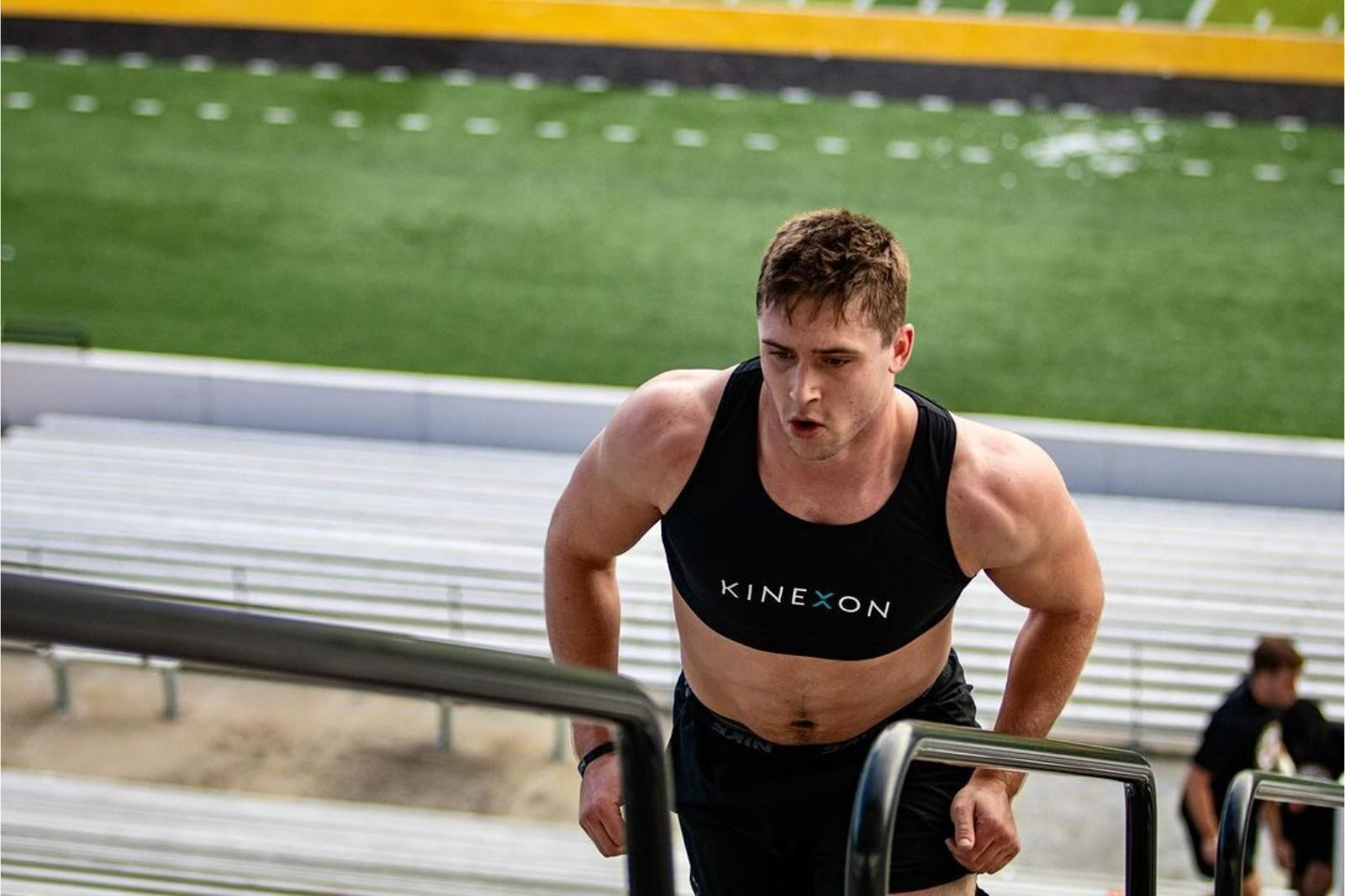
How Analytics Can Help Improve Collegiate Football Workouts
The offseason is a crucial time for college football players to improve their skills, strength, and conditioning. But how do you put together a training program that is as efficient as it is effective? Here’s a surefire way to start.